Who Decides Who Is at Fault in a Car Accident
Fault is decided by the insurance companies involved, using evidence and state rules, not by who apologizes first at the scene.
Free to compare
How fault actually gets decided
- Adjusters, not police A police report helps, but the insurers' claims adjusters make the fault call based on evidence and your state's rules. Don't assume a ticket or its absence settles the question.
- Your state's fault rules matter Some states assign one driver full fault, others split it by percentage. Check which system your state uses, since it changes who pays and how much.
- The car's policy pays first If your grandchild was driving your car with permission, your policy typically responds first regardless of whose fault it was. Confirm this with your insurer so there are no surprises.
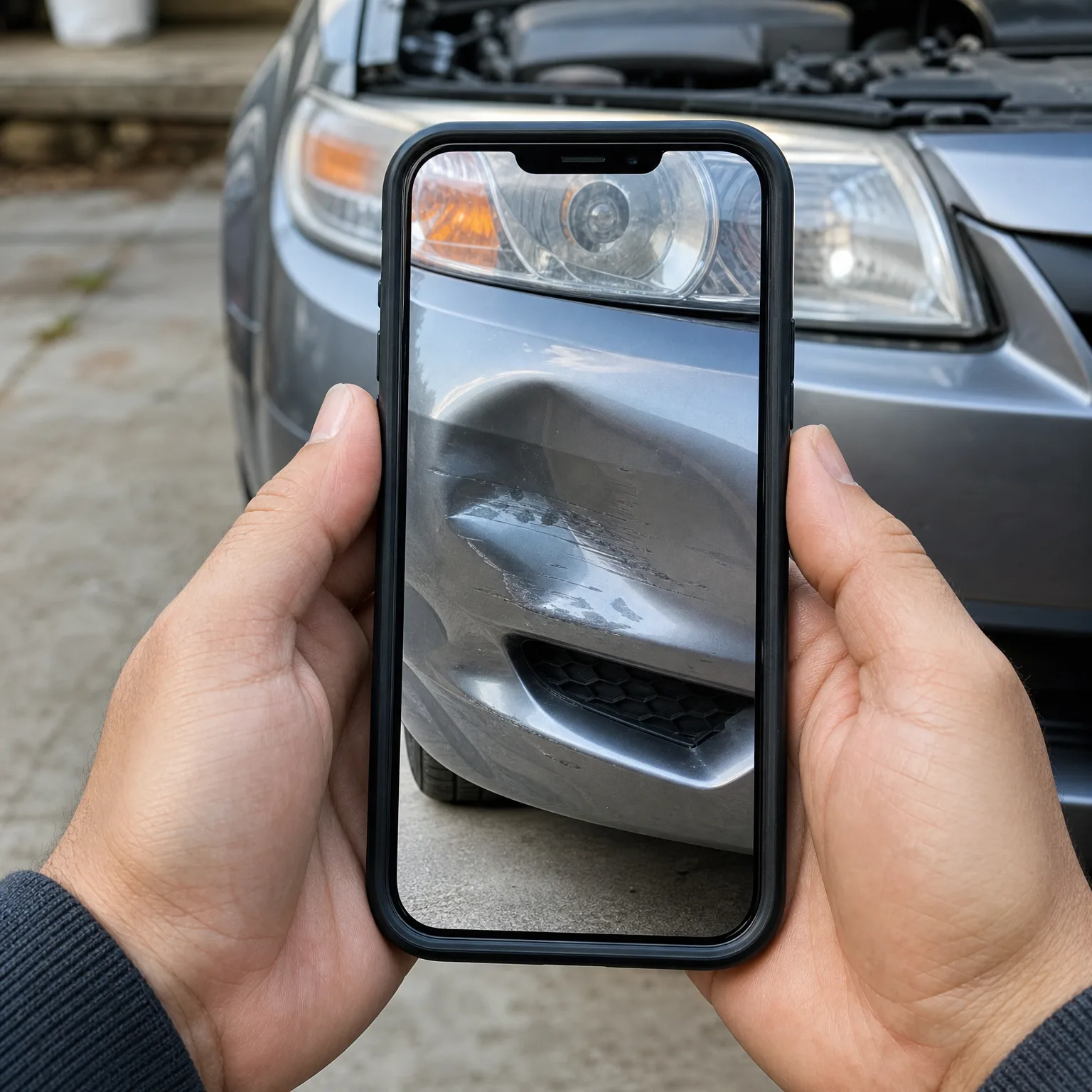
- Evidence shapes the outcome Photos, witness statements, damage patterns and any dashcam footage all factor into the fault decision. Encourage your grandchild to gather this at the scene if they're ever in a crash.
- You can dispute a fault finding If you disagree with how fault was assigned, you can appeal to the insurer or involve your state's insurance department. Do this quickly, since delays can weaken your case.
The short version
Insurance companies decide fault, not police, using evidence and your state's rules. Because your car's policy usually responds first when your grandchild drives it with permission, the fault decision mainly affects whose rates move. Ask your insurer now how fault findings on your policy would be handled.
A grandchild borrows the car and gets rear-ended
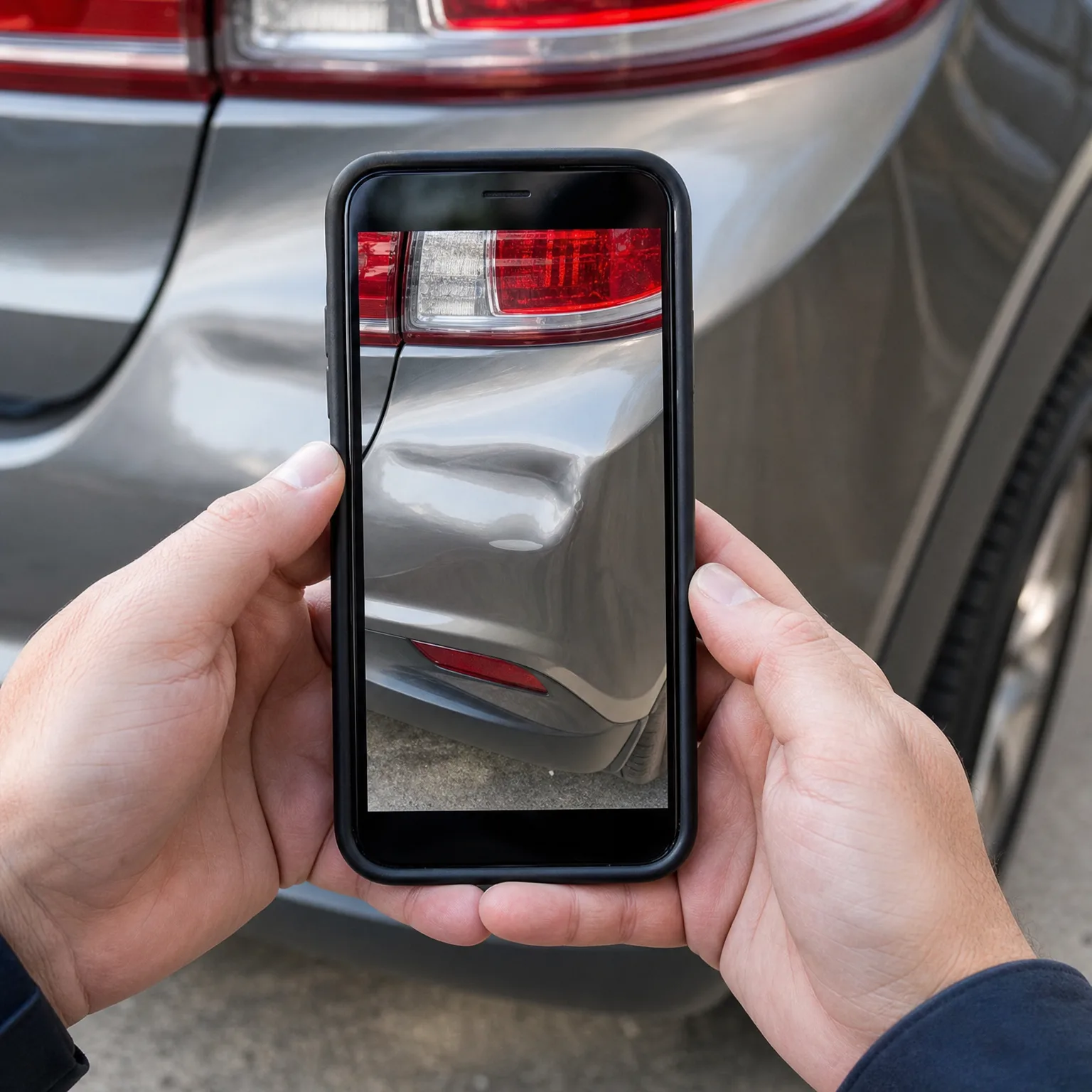
Your grandson borrows your car to drive to his summer job and stops at a light. The car behind him doesn't stop in time and hits him. He takes photos of both cars, gets the other driver's information, and calls you before calling anyone else.
Because the damage pattern is clear and the other driver admits he was looking at his phone, the adjuster assigns full fault to the other driver fairly quickly. Your policy isn't the one that pays, and your rates don't move. The other driver's insurer covers the repair and any medical costs. The outcome could have been murkier without photos, especially if the other driver changed his story, so the quick evidence made the difference.
Knowing how fault gets decided, you can compare quotes that actually match how your grandchild drives your car.
Will my rates go up if my grandchild is found not at fault?
Generally no, since insurers raise rates based on fault, not just involvement in a crash. Confirm this with your own insurer, because some have forgiveness policies or thresholds for minor claims regardless of fault. If your grandchild was found even partially at fault under your state's rules, that could change the answer, so ask specifically how partial fault is treated.
Does my grandchild need to be listed on my policy before driving my car?
It depends on how often they drive it and whether they live with you. Occasional use by a licensed grandchild is often covered, but regular use or a summer-long stay usually requires adding them. Check with your insurer before the situation starts, since being unlisted at the time of a crash can complicate or reduce coverage.
What happens if my grandchild's parents' insurance also gets involved?
This happens when your grandchild has their own listing on a parent's policy, and insurers may coordinate to decide which policy pays first. Usually the policy on the car involved pays primarily, with the other acting as secondary coverage. Ask both insurers directly how they'd coordinate, since the answer can depend on your state and each policy's language.

Fault mostly decides whose insurer pays, not whether your grandchild was covered to drive at all.