Who Pays If a Grandchild Crashes Your Car
Your car insurance pays for the crash, because coverage follows the car, not the driver.
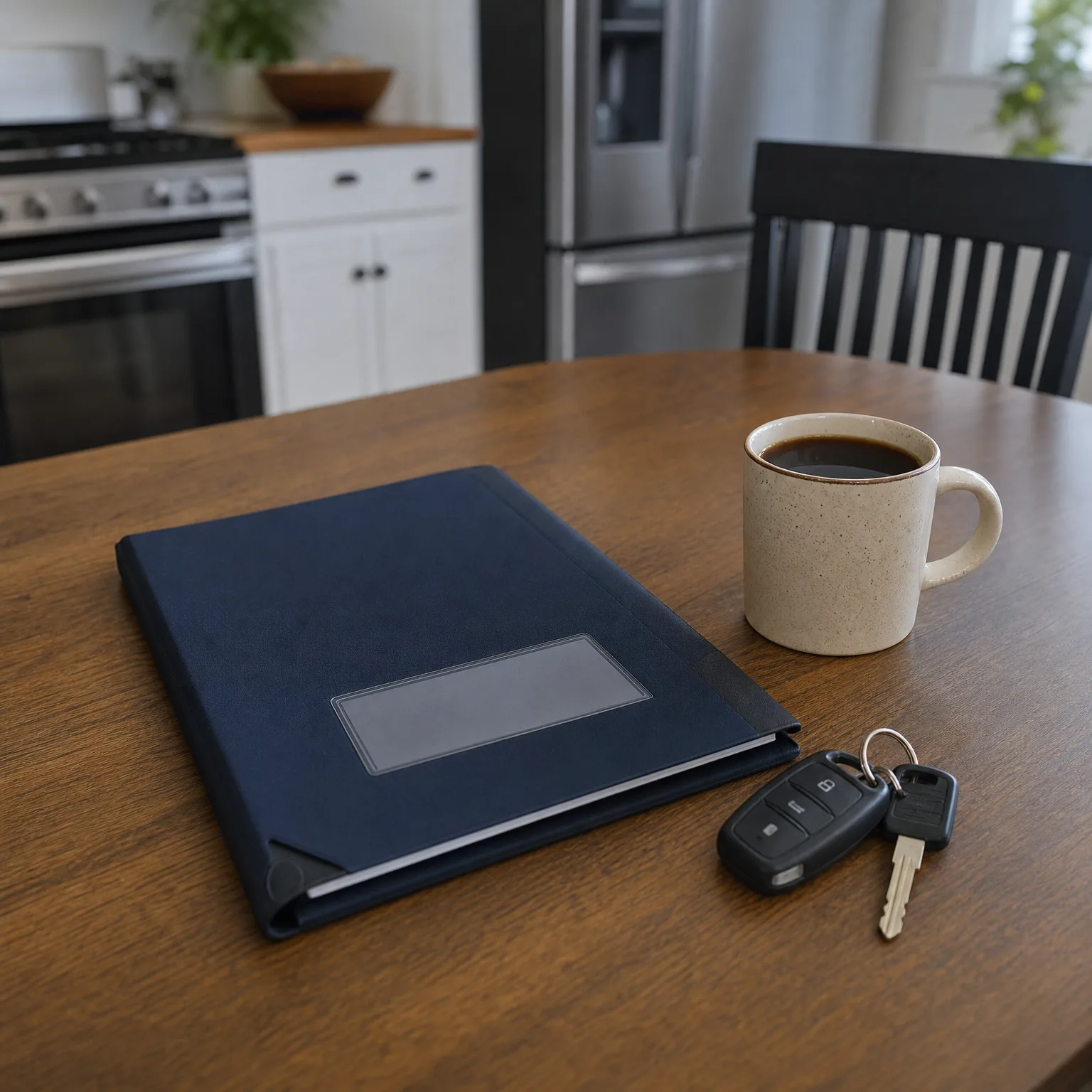
What actually happens after the crash
- Your policy pays first Insurance follows the vehicle, so your coverage responds no matter who was driving it with your permission. Confirm your grandchild is listed as a driver so there's no dispute about permission.
- Your rates can rise A crash on your policy can raise your premium at renewal, even if the driver was your grandchild and not you. Ask your insurer how a claim involving a listed young driver affects your specific rate.
- Your limits are the ceiling If damage or injury costs exceed your policy limits, you could be personally responsible for the rest. Consider raising your liability limits before handing over the keys, not after.
- Unlisted drivers cause problems If your grandchild drives regularly but isn't on your policy, the insurer may delay or deny the claim. Tell your insurer about any grandchild who drives your car more than occasionally.
- Parents' policy may not help A grandchild's parents' insurance usually doesn't cover an accident in your car, because that policy follows their own vehicles. Don't assume a backup policy exists unless you've confirmed it in writing.
A grandson borrows the car for the summer
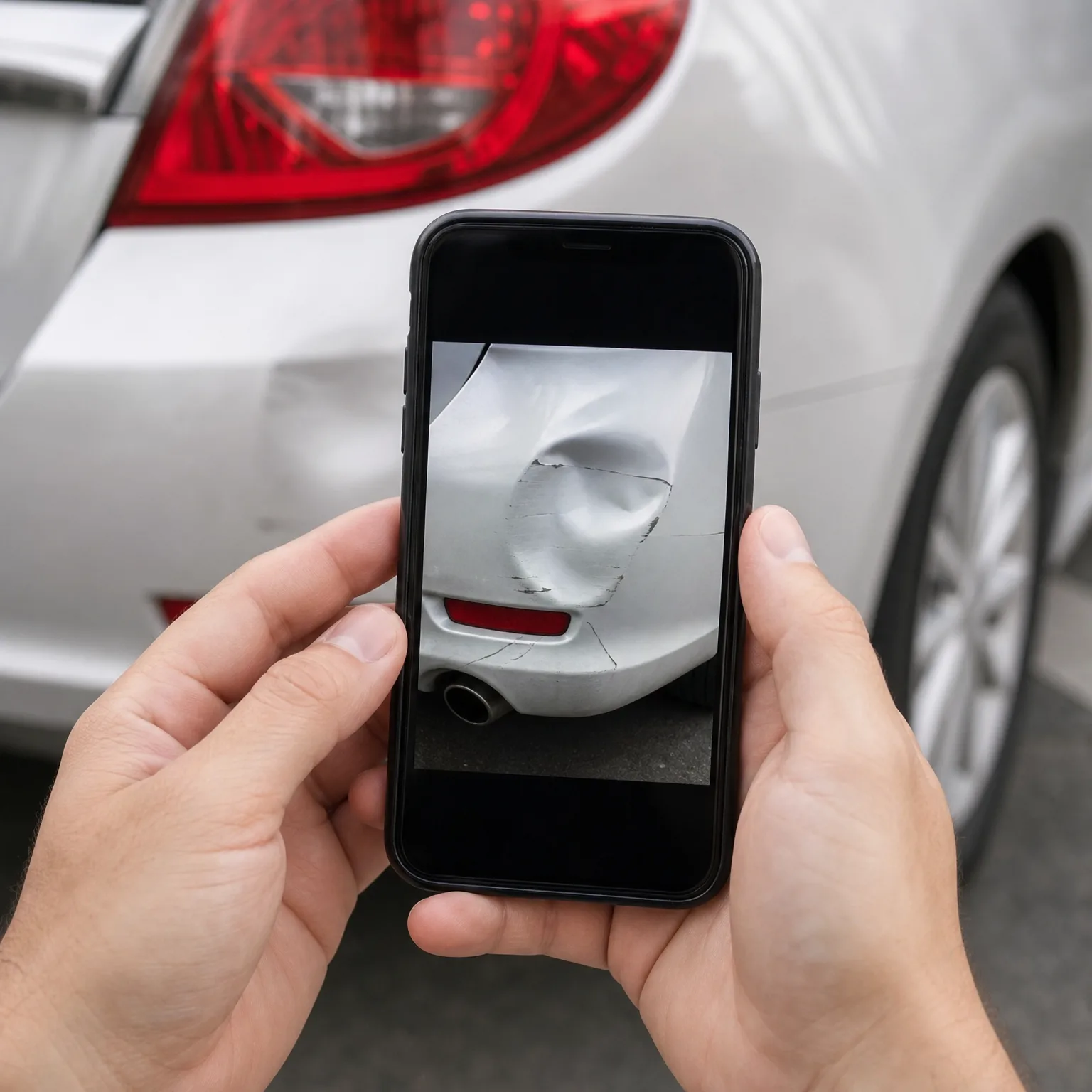
Your grandson moves in for the summer and starts driving your car to his job. You don't formally add him to your policy because he's only there for a few months, and his own parents live in another state. One afternoon he rear-ends someone at a stoplight. The other driver's car needs real repairs, and your grandson is shaken but unhurt.
You call your insurer to report the claim, and the first question they ask is who was driving and whether that person is a regular operator of the vehicle. Because he'd been driving all summer, the insurer treats him as someone who should have been disclosed, and they ask for his information before they'll settle the claim. It still gets paid, but slower than it would have if he'd been listed from the start, and the adjuster notes it for renewal. The next time he visits, you call ahead and add him for the summer months, which turns out to be the simpler and cheaper path.
The real risk isn't the crash, it's finding out afterward your grandchild was never properly on your policy.
Once you know how your policy treats your grandchild, compare quotes to see what it actually costs to cover them right.

Do you add your grandchild to your policy
If you do
Your insurer knows who's driving the car and prices that risk upfront. Claims get paid without delay or dispute. Your premium may rise, but you'll know the number in advance instead of discovering it after a crash.
If you don't
You save money now if your grandchild drives rarely. But if they're driving regularly and something happens, your insurer may investigate, delay payment, or raise questions about why they weren't disclosed.
Should the grandchild get their own insurance policy instead?
Usually not, if they're driving your car and don't own one themselves. Insurance is tied to the vehicle, so a separate policy for a grandchild without their own car is often unnecessary and sometimes impossible to get at a reasonable rate. The simpler path is almost always adding them to your existing policy as a listed driver.
There are exceptions. If your grandchild has their own car, even an older one you're passing down and titling in their name, they'll need their own policy for that vehicle. And if they're going to drive both your car and their own regularly, some insurers want them listed on both policies. Ask your insurer directly how they want it handled once a grandchild has any vehicle titled in their own name, since this is one of the places rules vary by insurer.