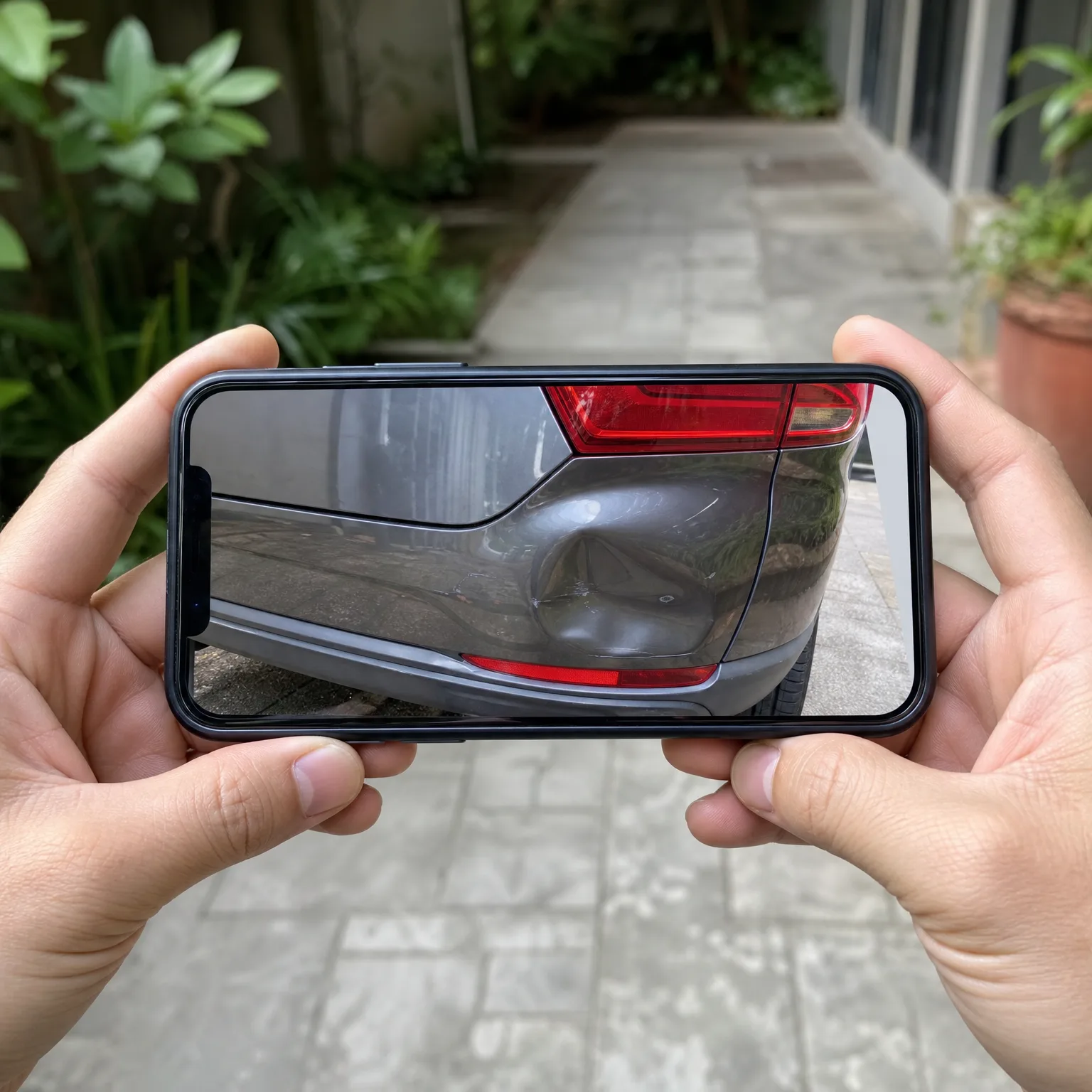
Who Pays if Someone Else Crashes Your Car
Your car insurance follows the car, so if your grandchild is driving with your permission, your policy pays first for the damage.
Free to compare

What actually happens after the crash
- Your policy pays first Insurance is attached to the vehicle, not the driver. If your grandchild crashes your car with your permission, your insurer handles the claim, not a policy belonging to them or their parents.
- Permission is what matters If you let your grandchild drive, even once, that counts as permission. You don't need to add them to your policy for a single trip to be covered, but regular use is different.
- List regular drivers If your grandchild drives your car often, your insurer likely expects you to list them as a driver. Check your policy, because leaving out a regular driver can get a claim denied.
- Rates can rise after a claim A crash on your policy is treated as your claim for pricing purposes, even if you weren't driving. Ask your insurer how a young driver on your policy affects your rate before it happens, not after.
- Living there changes the rules If your grandchild moves in with you, insurers usually treat them as a household member who must be listed, not an occasional guest driver. A summer visit is treated differently than living there full time.
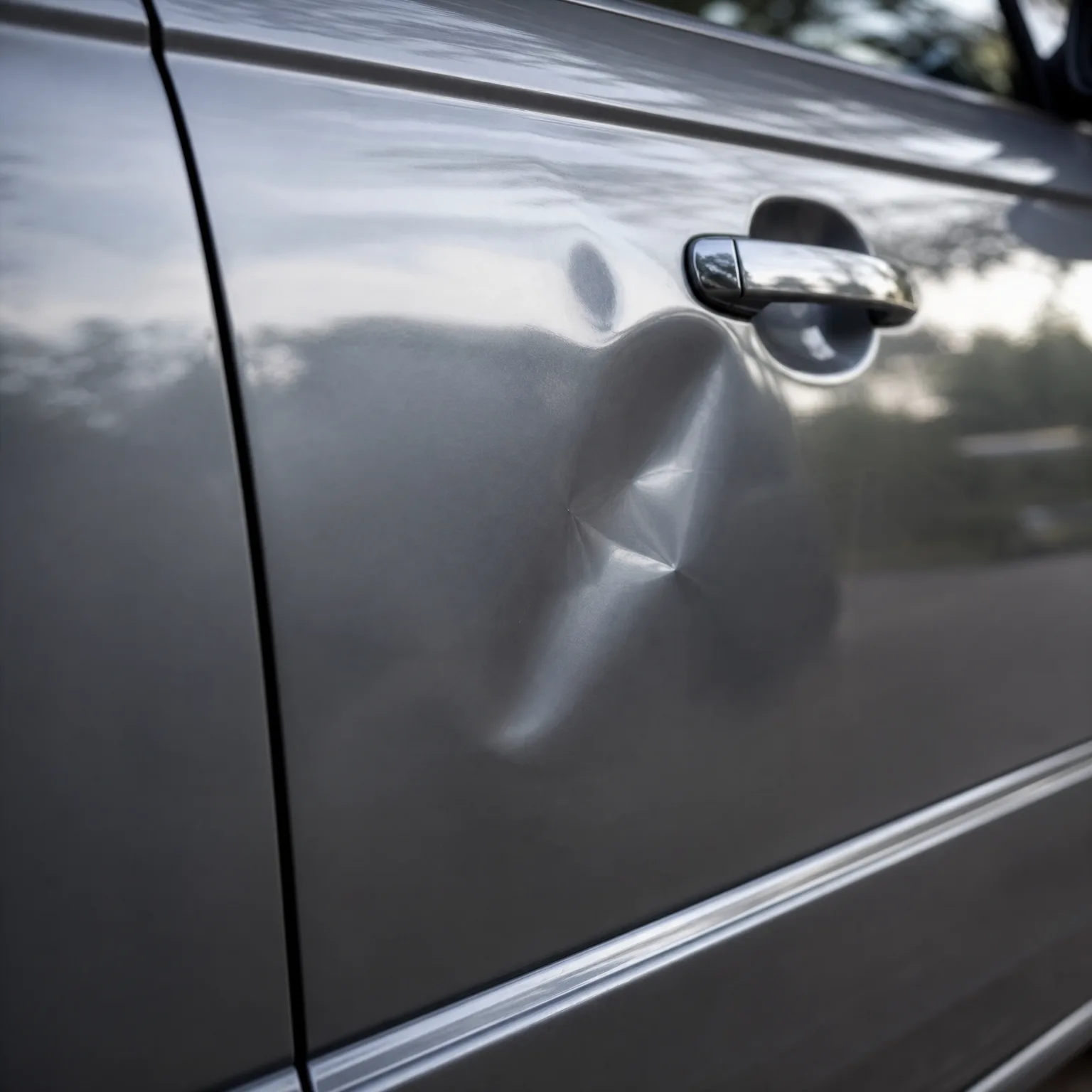
A grandson borrowing the car for a summer job
Say your grandson is staying with you for the summer and needs the car to get to his first job. You let him drive it a few times a week. He's not on your policy, and you haven't told your insurer he's using the car regularly.
One afternoon he backs into a pole in a parking lot. Because you gave him permission to drive, your policy covers the damage, but your insurer may ask whether he's a regular driver who should have been listed. If he's only there for a few weeks, you're likely fine. If this becomes a pattern that continues past summer, call your insurer and add him, because an unlisted regular driver can turn a routine claim into a denied one.
Once you know your policy covers your grandchild, compare quotes to see what adding them would actually cost.

Should you tell your insurer your grandchild drives your car
If you do
You call your insurer, explain the situation, and ask whether your grandchild needs to be listed. They tell you clearly, your policy stays accurate, and if a crash happens, the claim goes through without question about who was driving or why.
If you don't
Your grandchild drives occasionally without your insurer knowing. If nothing happens, you've saved a phone call. If they crash and it turns out they were driving regularly, your insurer can investigate and may deny the claim for not disclosing a household or regular driver.
Why the car itself decides who pays
Car insurance is built around the vehicle, not the person behind the wheel. The policy you bought insures that specific car against damage, and it extends to anyone you allow to drive it. This is why a grandchild borrowing your car for an afternoon is usually covered without any paperwork, as long as you gave them permission.
The complication starts when occasional use becomes regular use. Insurers distinguish between someone you let drive your car once in a while and someone who drives it often enough that they should be formally listed on your policy. That line isn't the same everywhere, so check with your insurer about what counts as regular use in your state and under your specific policy.
Living arrangements matter because insurers often ask who else lives in your household, and a grandchild who moves in is usually expected to be listed, insured, or both, depending on the state. A grandchild who visits for a few weeks a year is treated differently. This is also where your grandchild's own insurance status comes in. If they're covered under a parent's policy, that policy may come into play too, especially if the parent's policy has its own rules about listed drivers or excluded drivers. It helps to know what that policy says before an accident happens, not after.
The reason your rates can rise after a crash, even one you didn't cause, is that insurers price risk based on who uses the car and how. A young driver using your car regularly is a different risk than you alone, and a claim involving that driver reflects that. This isn't a penalty for trusting your grandchild, it's just how the math behind your premium works.
The real decision isn't who's responsible, it's who's listed on your policy and how often they drive.