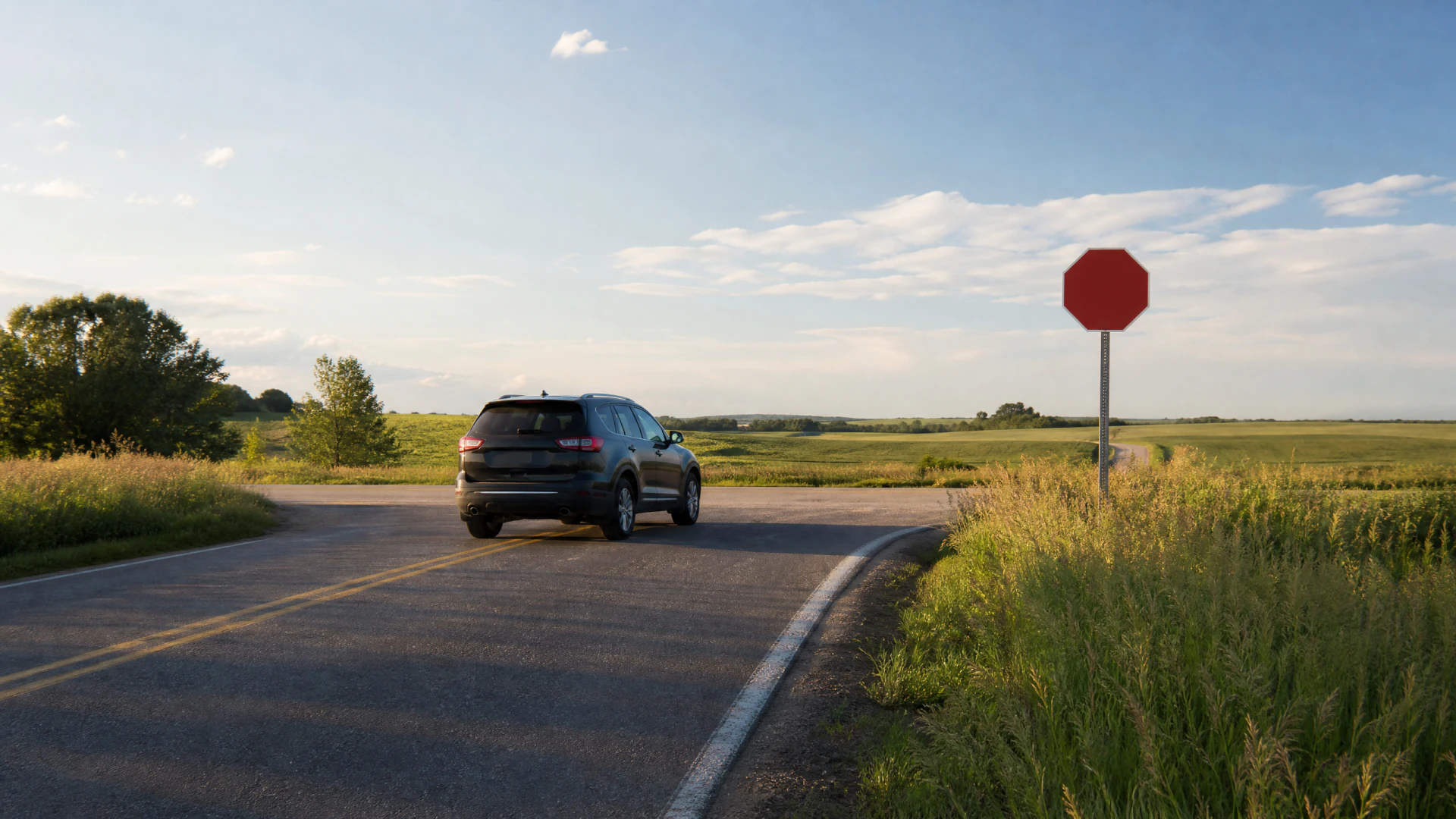
What if I Let Someone Drive My Car and They Crash
Your policy covers the crash because it follows the car, so if your grandchild is driving with permission, your insurance pays first.
Free to compare
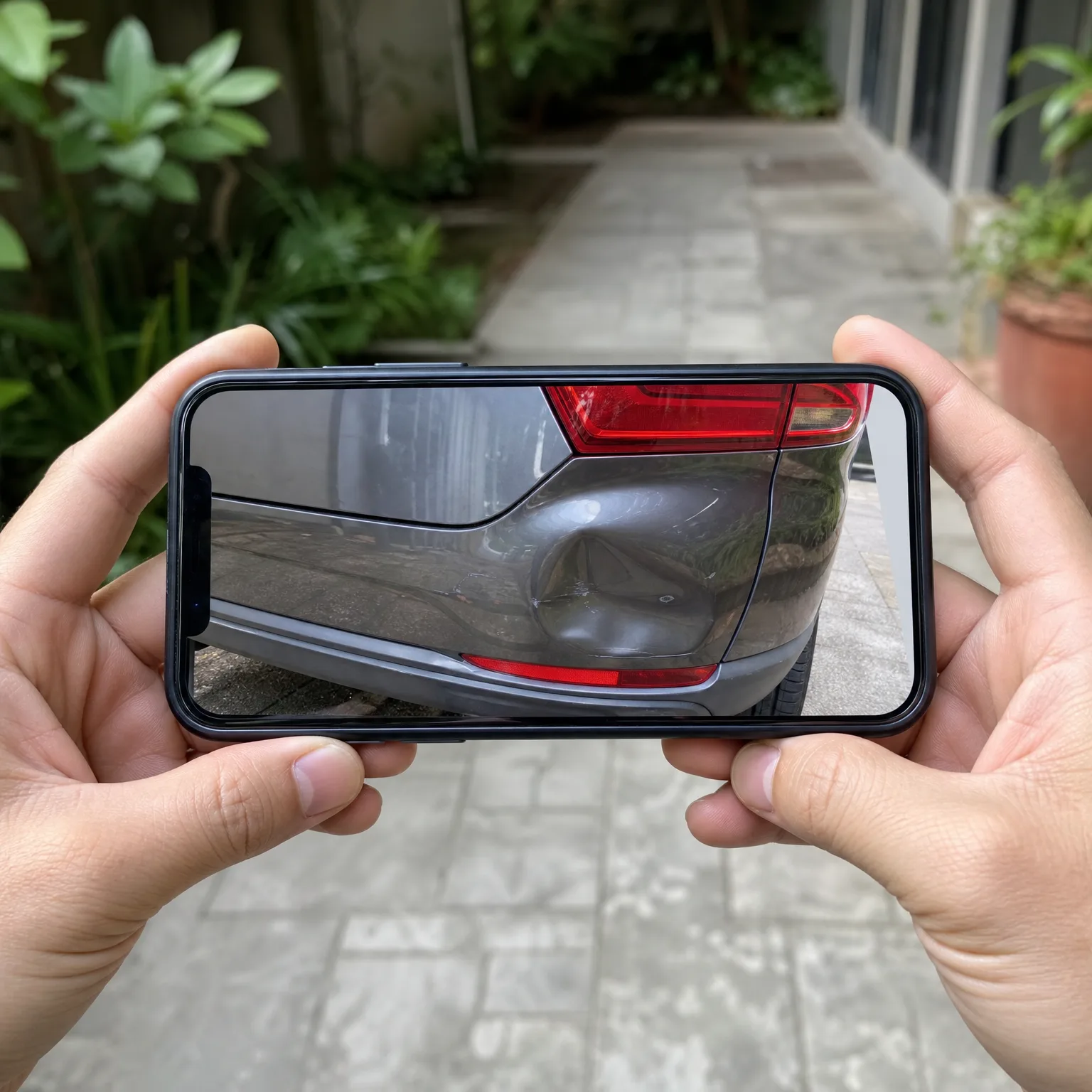
What actually happens after the crash
- Your policy pays first Car insurance follows the vehicle, not the driver, so your policy responds first regardless of whose grandchild was behind the wheel. Check your declarations page to confirm what coverage and limits actually apply.
- Your rates can rise An at-fault crash on your policy can raise your premium at renewal, even though you weren't driving. Ask your insurer how a claim involving a permitted driver affects your specific rate history.
- Permission matters a lot If you said yes to your grandchild driving, that single permission usually counts, even if it wasn't in writing. If they took the car without asking, coverage questions get more complicated, so talk to your insurer about how they define permissive use.
- Frequent driving changes things A grandchild who drives occasionally is different from one who lives with you or drives regularly. Insurers often want regular drivers listed on the policy, so tell your agent about the actual pattern, not just the one trip.
- Their parents' policy may help If the grandchild has their own or their parents' policy, it can sometimes apply as secondary coverage after yours. Ask your insurer how claims coordinate when more than one policy could respond.

A grandson borrows the car for a summer job
Your sixteen-year-old grandson is staying with you for the summer and needs a car to get to his first job. You hand him the keys most mornings, he's careful, and nothing happens for weeks. Then one afternoon he rear-ends someone at a stoplight, nobody is hurt, but both cars need repairs.
Because you gave him permission and he drives regularly, your insurer already expected this kind of use once you mentioned the summer arrangement. You filed the claim under your policy, it paid for the damage to both vehicles, and the only real surprise was the conversation about adding him as a listed driver before letting him drive again that often. Your rates went up some at renewal, but the claim itself was handled the same way any other at-fault claim would be, and there was no dispute about whether he was covered.

The crash isn't the real risk. Letting someone drive regularly without telling your insurer is.
Once you know how your grandchild is actually covered, compare quotes to confirm that protection still fits.

Telling your insurer your grandchild drives the car
If you do
Your insurer adjusts your policy to reflect reality, so a claim gets handled cleanly and quickly. You may pay a bit more now, but you avoid a dispute later about whether the drive was permitted or how often it happened. Your coverage stays predictable.
If you don't
If a crash happens and your insurer learns your grandchild drove regularly without being disclosed, they may question the claim or delay payment while they investigate. Coverage isn't automatically void, but you lose the certainty of knowing it will go smoothly.
Does my grandchild need their own car insurance if they drive my car?
Not necessarily, if they drive your car occasionally with permission, your policy typically covers them. But if they drive often, live with you, or have their own car elsewhere, insurers usually want them listed on a policy somewhere. Ask your insurer where the line is between occasional and regular use, since that threshold varies by company.
Will my grandchild's own driving record affect my insurance rates?
Yes, if they're added as a regular driver on your policy, their driving history and age factor into your premium. A young driver with no history often raises the cost more than one with a clean record. Ask your insurer how they weigh a new driver's age and experience against your own rating history.
Can I add my grandchild to my policy instead of their parents' policy?
Usually yes, insurers generally let you add a related driver like a grandchild, especially if they live with you or drive your car regularly. Whether it makes more sense than adding them to their parents' policy depends on which household's rates and coverage fit better. Compare both options with each insurer before deciding.