
When Grandkids Drive Your Car
If a grandchild is driving, borrowing, or inheriting your car, this site walks you through what that means for your coverage and your rates.
Free to compare
A young driver on your policy changes what your insurer sees as risk
When a grandchild regularly drives your car, your insurer generally wants to know. Insurers price a policy around who actually drives the car, not just who owns it, and a young, less experienced driver usually shifts that picture even if they're never at fault for anything.
This matters whether your grandchild lives with you, stays for the summer, or just borrows the car on weekends. Insurers draw their own lines around how much driving counts as "regular use," and those lines vary by company and by state. Living arrangement also matters: a grandchild who lives in your home is treated differently than one who visits occasionally, and that difference affects whether they need to be listed on your policy at all.
If you're handing down an older car outright, that's a separate shift. Once your grandchild owns the car or is its main driver, the policy question usually moves from "how do we add them to yours" to "whose policy covers this car now," and that depends on title, registration, and where they live.

Your grandchild's driving record and living situation matter more than your own history
What you pay comes down to a handful of things: the driver's age and experience, their driving record, how often and how far they drive your car, and where that car is garaged. Your own long clean record helps, but it doesn't cancel out the risk an insurer assigns to a new driver.
You do have some influence here. Grades, driver's education courses, the type of car involved, and how much supervised driving the grandchild has logged can all soften the cost. Choosing an older, safer, less expensive car to hand down also tends to help more than people expect.
What you can't change is the basic math insurers use for age and experience. That's set by data, not by how responsible your particular grandchild is, so don't expect a clean driving history alone to erase the cost difference.
People overpay by guessing instead of asking their insurer directly
The most common mistake is assuming a grandchild is automatically covered because they're family, or because they only drive "once in a while." Coverage gaps often show up only after an accident, right when you need the answer to have already been correct.
Another common misstep is adding a grandchild to your policy when it would actually cost less to confirm they're covered under their parents' policy, or to insure the handed-down car separately in the grandchild's name. Which option is cheaper depends on the specific people and cars involved, so it's worth asking rather than assuming.
Finally, people sometimes stay quiet about a grandchild's driving to avoid a rate increase, which can void coverage entirely if there's ever a claim. Telling your insurer the truth and then shopping around is almost always cheaper than guessing wrong.
Once you know how your grandchild's driving affects your policy, compare quotes to see what coverage actually costs.
Articles
 Giving a Grandchild Your Old Car
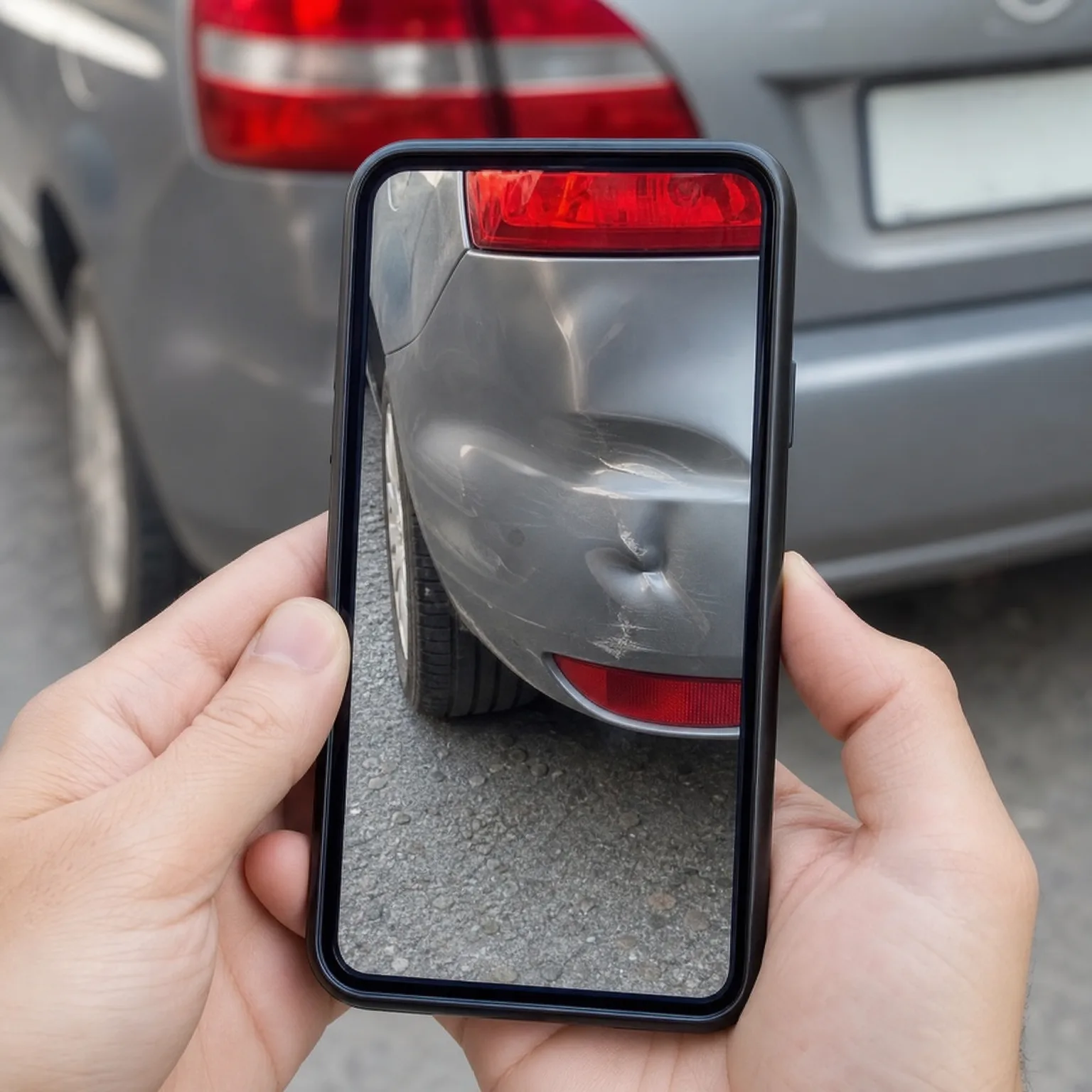 Letting a Grandchild Borrow Your Car
 Your Liability for a Grandchild Driver