What Happens if Insurance Cannot Decide Who Is at Fault
When fault is unclear, both insurance companies usually split the blame and the cost, and your own coverage still responds.
Free to compare
What actually happens when fault is split
- Shared fault, shared cost Insurers often assign each driver a percentage of blame. Your grandchild's share affects whether your policy pays and how much, so ask the adjuster for that percentage in writing.
- Collision coverage still works If you carry collision coverage, it pays for your car's damage regardless of fault. Check your policy for the deductible amount, since that's what you'll owe upfront.
- Rates can still rise A claim with partial fault can still count as an at-fault claim for pricing purposes. Ask your insurer directly how partial fault affects renewal pricing in your state.
- Insurers may not agree Each insurer investigates independently and they don't always agree. If the two companies can't settle the split, the claim can take longer to close.
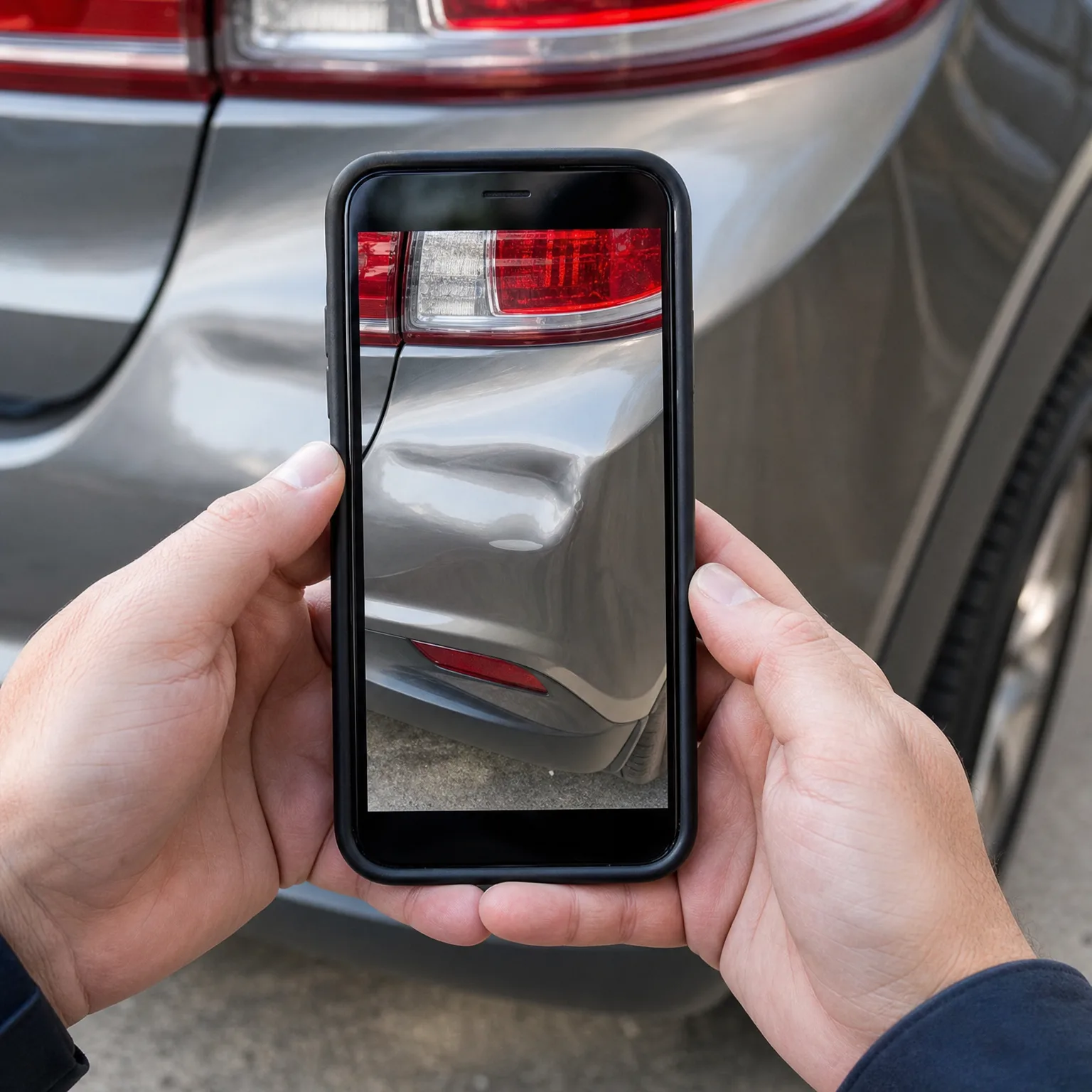
- You can dispute the split If you have evidence like photos, a police report, or witness statements, you can push back on the fault percentage. Gather anything from the scene before memories fade.
The short version
When fault can't be clearly decided, insurers usually split it by percentage, and each side pays or gets paid based on that split. Your collision coverage can still cover your car either way. Get the police report and any evidence early, since that's what moves the percentage in your favor.
Will my grandchild still be covered if fault gets split between drivers?
Yes. Coverage doesn't depend on being innocent. If your grandchild is listed as a driver on your policy, or driving your car with your permission, your policy responds to the claim regardless of how fault gets divided between the two drivers.
What changes with a shared-fault outcome is cost, not coverage. Your collision coverage pays for your car's damage up to your deductible, and your liability coverage pays the other side based on your grandchild's assigned share of fault. The claim stays open and valid either way. What you want to watch is how the claim affects future pricing, since a partial-fault accident can still show up as a claim history item even when nobody was fully at fault.
Once you know how a shared-fault claim would actually play out, compare quotes to see how it would affect your rates.

A fender bender at an unmarked intersection
Your grandson borrows your car to get to his summer job and pulls into an intersection at the same moment as another driver, neither of them with a stop sign or clear right of way. There are no witnesses and no cameras nearby. Both insurers investigate and, after reviewing the damage pattern and both drivers' statements, each driver is assigned a share of the fault.
Because your grandson is a listed driver on your policy, your collision coverage pays for your car's repairs after you cover the deductible. The other driver's insurer pays a portion of your grandson's medical costs and a portion of the other car's repair costs, and your insurer covers the rest. You ask your agent in writing how this claim will be classified going into renewal, since a shared-fault accident doesn't always count the same way as a fully at-fault one. The claim closes after a few weeks of back and forth, and your grandson keeps driving the car, now a little more careful at blind intersections.
Fault doesn't have to be clear for your policy to work. Coverage and blame are two different questions.
Does a shared-fault accident count as an accident on my record?
Yes, it typically counts as a claim on your record even without full fault assigned. Insurers track claim frequency as well as fault percentage. Ask your insurer directly how they weigh partial-fault claims at renewal, since this varies by company and sometimes by state, and the answer changes how much you should worry about one incident.
Can my grandchild's parents' insurance get involved if fault is split?
It depends on whose policy actually covers the car being driven. If your grandchild is also listed on a parent's policy for a different vehicle, that policy generally doesn't get pulled into a claim involving your car. Check both policies' language on listed drivers and permissive use to see which one actually applies here.
How long does a disputed fault claim usually take to resolve?
It varies widely depending on how much evidence exists and how cooperative both insurers are. Claims with police reports and clear documentation resolve faster than those relying only on driver statements. Ask the adjuster for a timeline estimate early, and follow up regularly, since disputed claims can stall without someone pushing them forward.