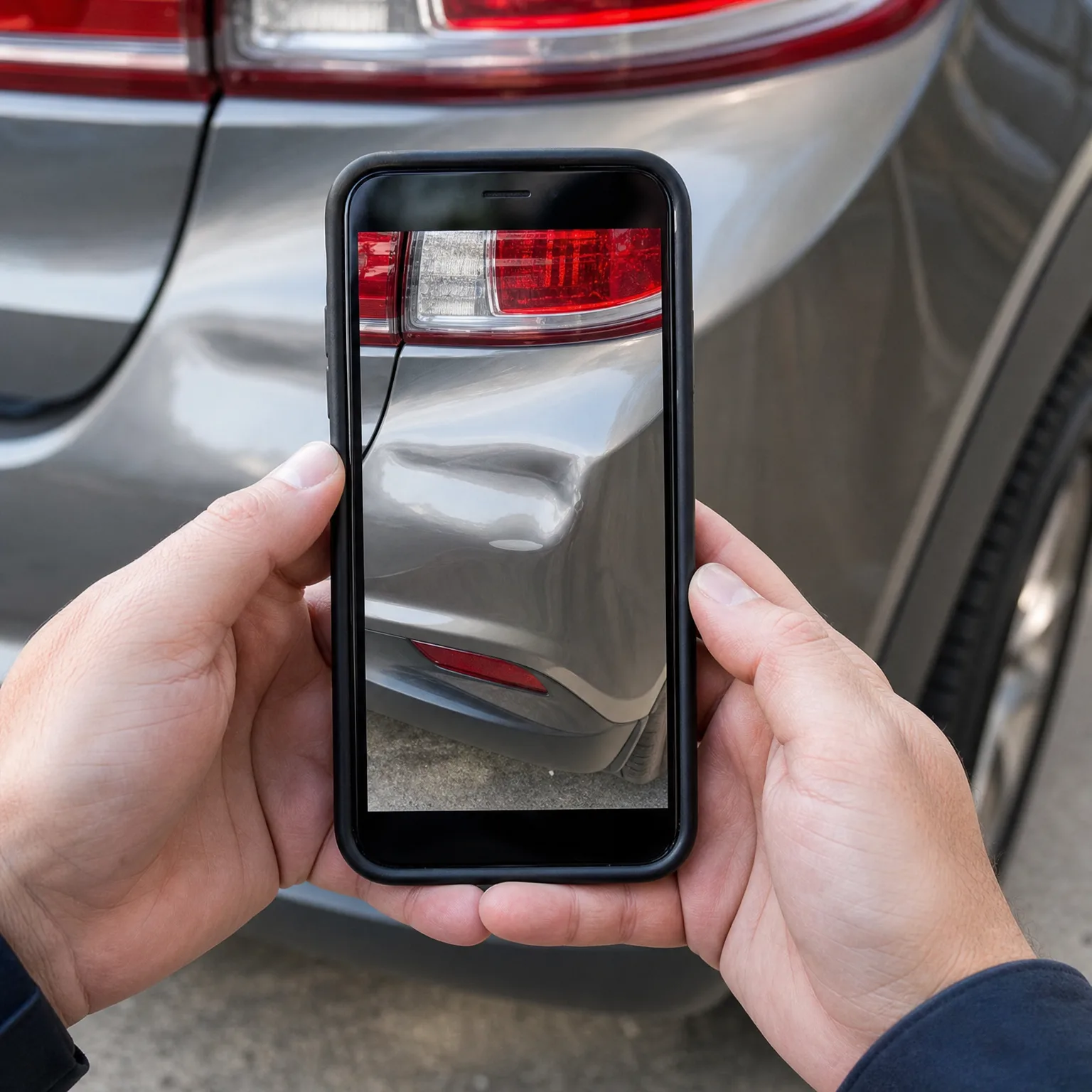
How Do Insurance Companies Decide Who Is at Fault
Insurers decide fault using accident facts, and that decision lands on your policy because it's your car, not your grandchild's.
Free to compare
What actually determines who insurers blame
- Fault follows the car Your insurance covers the vehicle, not just you as a driver. If your grandchild crashes your car, your policy responds first regardless of whose name is on the license.
- State rules decide the split Some states assign all fault to one driver, others divide it by percentage. Check your state's rule, because it changes how much your insurer pays out.
- Evidence drives the decision Adjusters look at police reports, damage patterns, witness statements and traffic laws to assign fault. A grandchild's inexperience isn't itself evidence of fault.
- Your rates can rise either way Even a not-at-fault claim can affect pricing depending on your insurer. Ask directly how a claim involving a grandchild driver would be treated before it happens.
- List them before they drive Whether your grandchild was listed as a driver on your policy affects coverage, not just fault. Add them if they drive regularly, so there's no dispute later.
A grandchild borrows the car for the summer
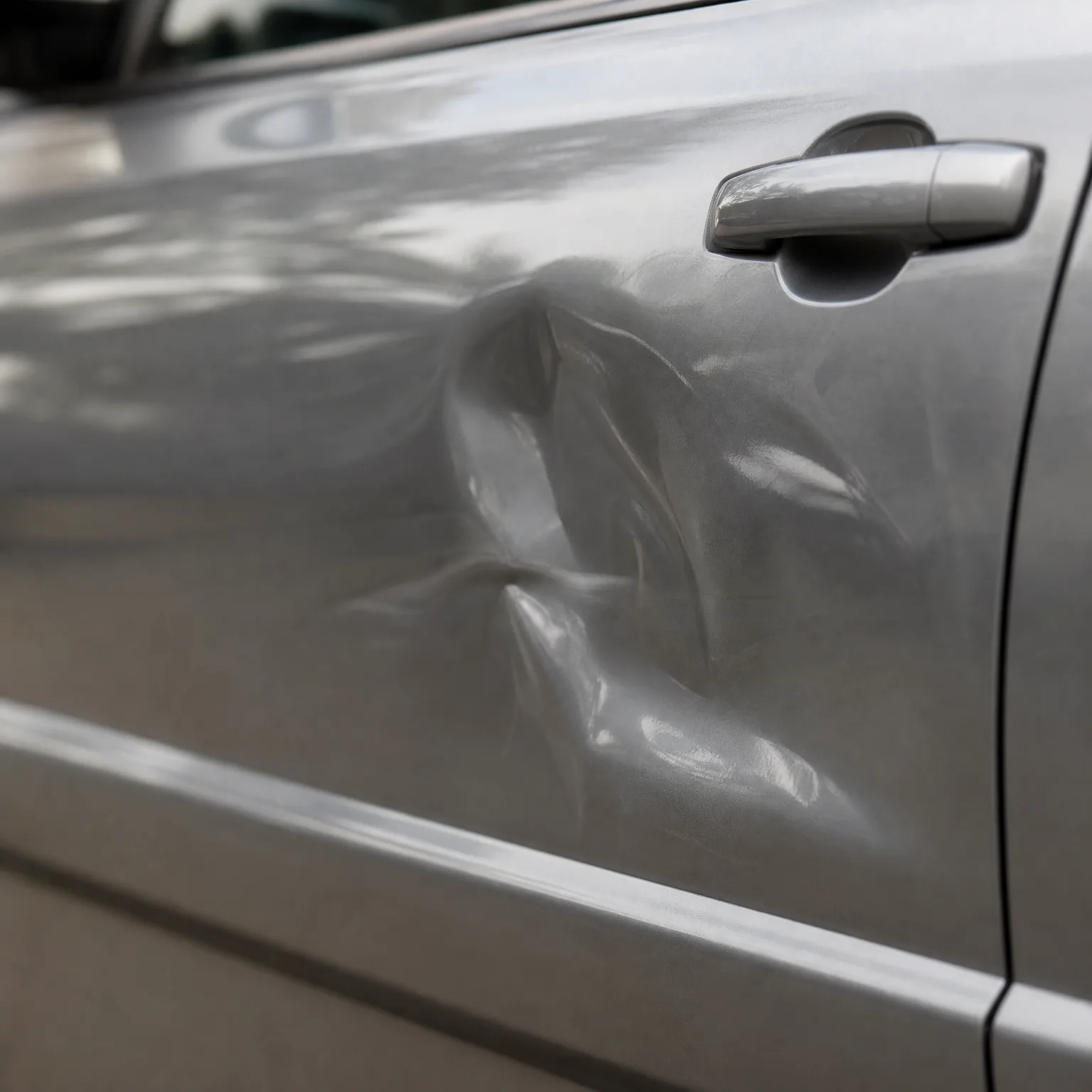
Your grandson is staying with you for the summer and uses your car to get to his job. One afternoon he pulls out of a parking lot and another driver clips his rear bumper. Both drivers call their insurers, and each company opens an investigation using the police report, photos of the damage, and statements from both drivers.
The investigation shows the other driver was speeding through the lot, so fault lands mostly on them. Your insurer still pays your grandson's medical costs and vehicle repairs upfront because it's your policy on the car, then seeks reimbursement from the other driver's insurer. Because your grandson was already listed as an occasional driver on your policy, there's no dispute about coverage. The claim resolves in his favor, and your rates stay where they were because the fault determination cleared him.

Now that you know how fault gets decided, compare quotes to see how adding your grandchild would actually price out.

Should you add your grandchild to your policy
If you do
Your insurer already knows about them, so a claim moves faster and coverage isn't questioned. Your premium may rise some, but you avoid the risk of a denied claim for an unlisted frequent driver. You also get clarity now instead of surprises during a stressful moment later.
If you don't
If they drive occasionally and you didn't disclose it, your insurer might deny or delay a claim after a crash, calling it misrepresentation. You could end up paying out of pocket while the companies sort out fault. The risk grows the more often they actually drive your car.
Will my rates go up if my grandchild is found not at fault?
Usually not for the fault itself, but it still depends on your insurer's broader policies around claims history. Being cleared of fault typically protects your rate, since most insurers price based on who caused the accident, not who was involved in it.
What can still affect pricing is if the claim reveals your grandchild was driving regularly without being listed on your policy. That's treated as a separate issue from fault, and some insurers adjust rates or coverage terms once they learn about undisclosed drivers. Ask your insurer directly how they handle not-at-fault claims and how they'd treat a grandchild driver discovered through a claim rather than disclosed upfront. The fault decision and the rate decision aren't the same conversation.
Fault depends on the accident, but your coverage depends on what you told your insurer beforehand.