
What Happens if My Car Is Crashed and It Is Our Fault
If the crash is your fault, your car insurance pays the claim, whether you or your grandchild was driving.
Free to compare
The car's policy pays, not the driver's relationship to you
Car insurance follows the vehicle first. If your grandchild was driving your car with your permission, your policy is the one that responds to the crash, pays for the other driver's damage and injuries, and covers repairs to your own car if you carry that coverage. This is true almost everywhere, because insurers treat permission to drive the car as the key fact, not who the driver is related to.
That permission matters a lot. If you handed over the keys, loaned the car for the summer, or knew your grandchild was using it regularly, that counts as permission even if you never said the word out loud. Insurers look at patterns, not just a single yes. A grandchild who borrows the car occasionally is usually covered the same way a stranger you lent it to would be covered, as long as you didn't say no.
Where it gets more complicated is when the grandchild lives with you or drives often enough that your insurer considers them a regular driver of the household, not an occasional guest. At that point, most insurers expect them listed on your policy, and if they aren't, the company can question the claim or reduce what it pays. This is where state rules and individual insurer rules diverge most, so it's worth confirming directly with your company how they define regular use.
If your grandchild has their own insurance through a parent's policy or their own policy, that coverage can sometimes apply too, often after yours, as a secondary layer. But your policy is almost always first in line when it's your car and your name on the title.
The short version
If the crash is your fault, your insurance pays, because it's your car. What matters most is whether your grandchild had permission to drive and whether your insurer already knew they drive your car regularly. Confirm that with your insurer before you hand over the keys again.

What decides how the claim goes
- Permission to drive If you knowingly let your grandchild drive, your policy responds to the crash. Make sure your insurer knows this is a standing arrangement, not a one-time favor.
- How often they drive Occasional use is treated differently than regular use. If it's regular, ask your insurer whether your grandchild needs to be listed on the policy.
- Your rates after the claim A fault claim can raise your rates, regardless of who was driving. Ask your insurer how an at-fault claim involving a young driver affects your specific policy.
- Your coverage limits Your policy limits apply to the crash, not any separate policy your grandchild might have. Check that your limits are high enough to cover a serious crash.
- Secondary coverage If your grandchild has their own insurance, it may help after yours is used up. Ask what secondary coverage would actually pay for and when it applies.
Once you know how a fault crash would be handled, compare quotes to make sure your coverage and limits match the risk.

Telling your insurer your grandchild drives the car
If you do
Your insurer adjusts your policy to reflect the real risk, which may raise your premium a bit but keeps your coverage solid. If a crash happens, the claim moves forward without delay or dispute, because the driver was already expected and accounted for on your policy.
If you don't
If a crash happens and your insurer finds out your grandchild drove often without being listed, they may investigate before paying, delay the claim, or reduce what they cover. You could end up paying out of pocket for part of the damage you expected your policy to handle.
A grandchild borrows the car for a summer job
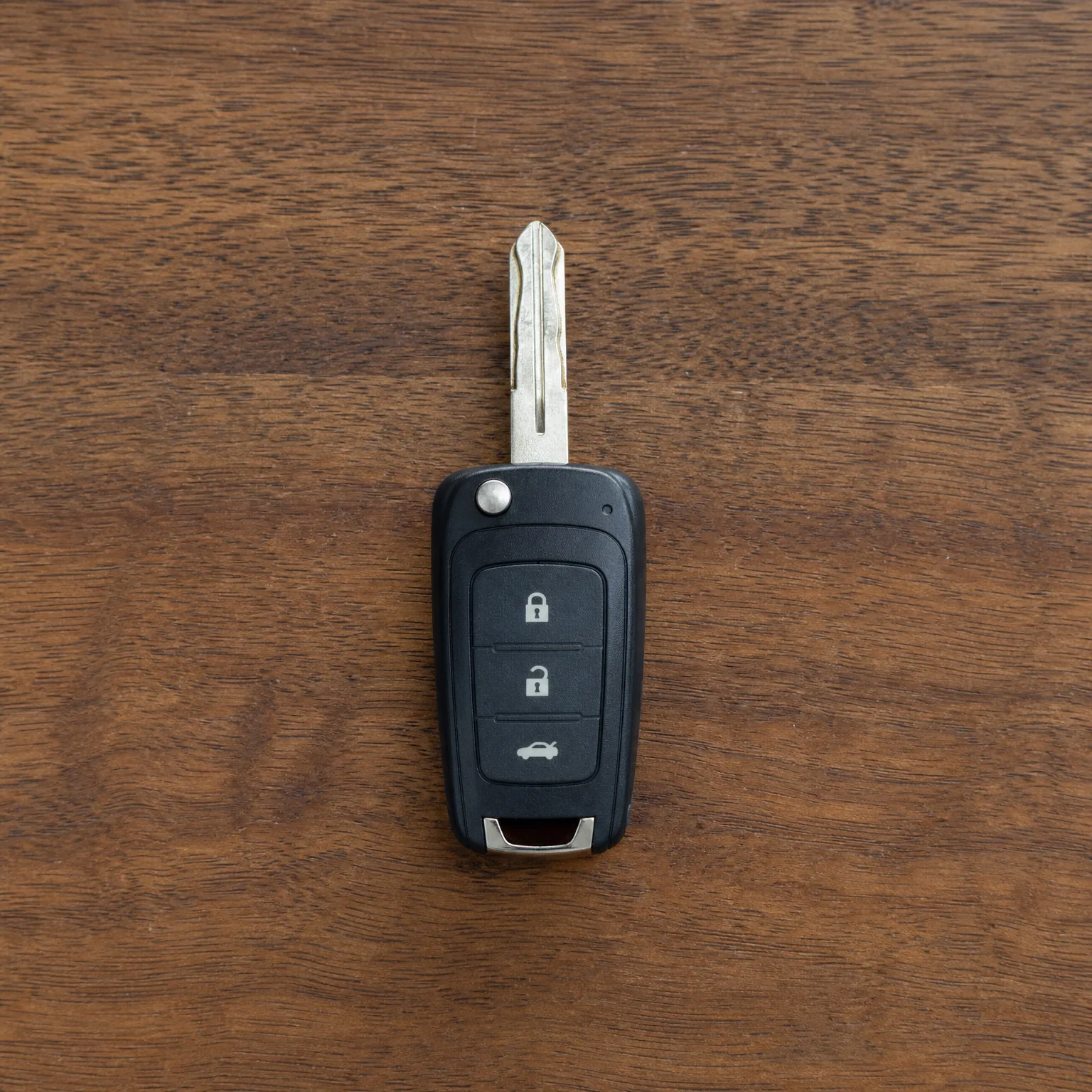
Say your grandchild moves in for the summer to work a local job and starts borrowing your car most days to get there. A few weeks in, they rear-end someone at a stoplight. It's clearly their fault. You call your insurer, and the first question they ask isn't about the crash itself, it's about how often your grandchild drives your car and whether you'd mentioned that before.
Because you hadn't listed them, the claim takes longer to process while the insurer confirms the arrangement, checks your account history, and decides whether to apply any adjustment to how they treat the claim. In this case, because it was clearly occasional and summer-only, the insurer pays out as expected, covering the other driver's damage and your own repair costs. But they also tell you that if your grandchild keeps driving the car regularly next summer, they'll need to be added to the policy going forward. You make a note to call before the keys get handed over again, so next time there's no delay and no guessing about what's covered.
Will my rates go up because of a crash my grandchild caused?
Probably, at least somewhat, because the claim is tied to your policy and your driving record on that policy, not your grandchild's individually. Insurers set future rates based on the risk your policy represents, and a paid fault claim signals higher risk, regardless of who was behind the wheel.
How much it goes up depends on your insurer, your claim history before this, and sometimes your state's rules about how long a claim affects pricing. Some insurers are more lenient with a first claim or with occasional young drivers, others aren't. The best way to know what you're facing is to ask your insurer directly how this specific claim would affect your renewal, rather than assuming the worst or the best.