Do Cops Determine Fault in an Accident
No, a police officer's report is just evidence. Insurance companies decide fault, and that decision is what determines whose policy pays.
Free to compare
When a grandchild borrows the car and gets hit
Say your grandson borrows your car for the summer and another driver runs a stop sign and hits him. A police officer arrives, takes statements, looks at the damage, and writes a report. The report might even say the other driver appeared to be at fault. That report gets filed and becomes part of the record, but it isn't the final word.
Your insurer and the other driver's insurer each open a claim and review the evidence separately, the police report, photos, damage patterns, witness statements, sometimes traffic camera footage. They apply your state's fault rules to decide who pays and how much. In this case the other driver's insurer most likely accepts fault and covers the damage, so your policy and your rates stay untouched. But if the facts had been murkier, say both cars were turning at once, the insurers might have split fault, and your policy could have been billed for part of the claim. That split, not the officer's opinion, is what would have mattered.
What if the police report says my grandchild was at fault?
It carries weight, but it isn't the end of the story. Insurers treat a police report as one piece of evidence among several, not a verdict. They'll also look at photos, damage patterns, statements from everyone involved, and sometimes independent reconstruction of how the crash happened.
If you or your grandchild disagree with what the officer wrote, you can still present evidence to the insurer to make your case. Insurers have their own adjusters who investigate claims regardless of what the report concludes, and in some states the fault rules used to assign payment don't even match how an officer would describe blame. So a report that looks bad isn't automatically the final outcome, and it's worth asking the insurer directly how they weighed it before assuming the worst.

The officer's opinion isn't what decides who pays. Your insurer's own investigation is.
Once you know who decides fault, compare quotes to see how adding your grandchild would affect your coverage and rate.

Should you rely on the police report to settle who pays?
If you do
You'll have a documented, time-stamped account of the crash scene, which helps both insurers start their review. It speeds up the claims process and gives you something concrete to point to if the other driver later changes their story or denies what happened.
If you don't
Without a report, the claim becomes a dispute between two accounts of the crash with no neutral record. Insurers can still investigate, but it takes longer and leans more heavily on photos, witnesses, and physical evidence, which may not always favor your grandchild.
What actually decides who pays after a crash
- Insurer investigation Each insurance company reviews the evidence independently and assigns fault using their own process. This is the decision that actually determines who pays, not the police report.
- State fault rules States differ in how they assign and divide fault between drivers. Check your state's rules, since they can change how much your policy owes even in a shared-fault crash.
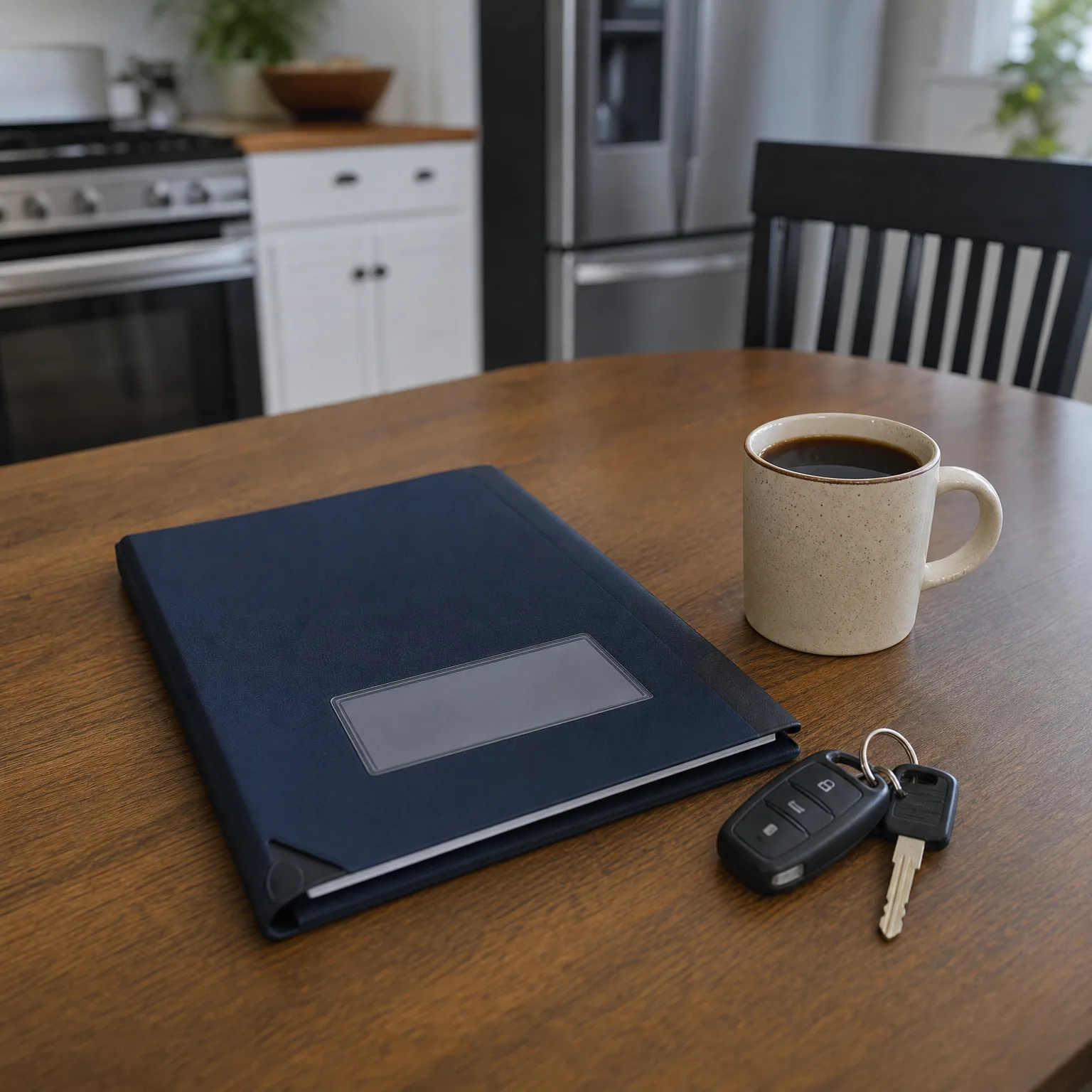
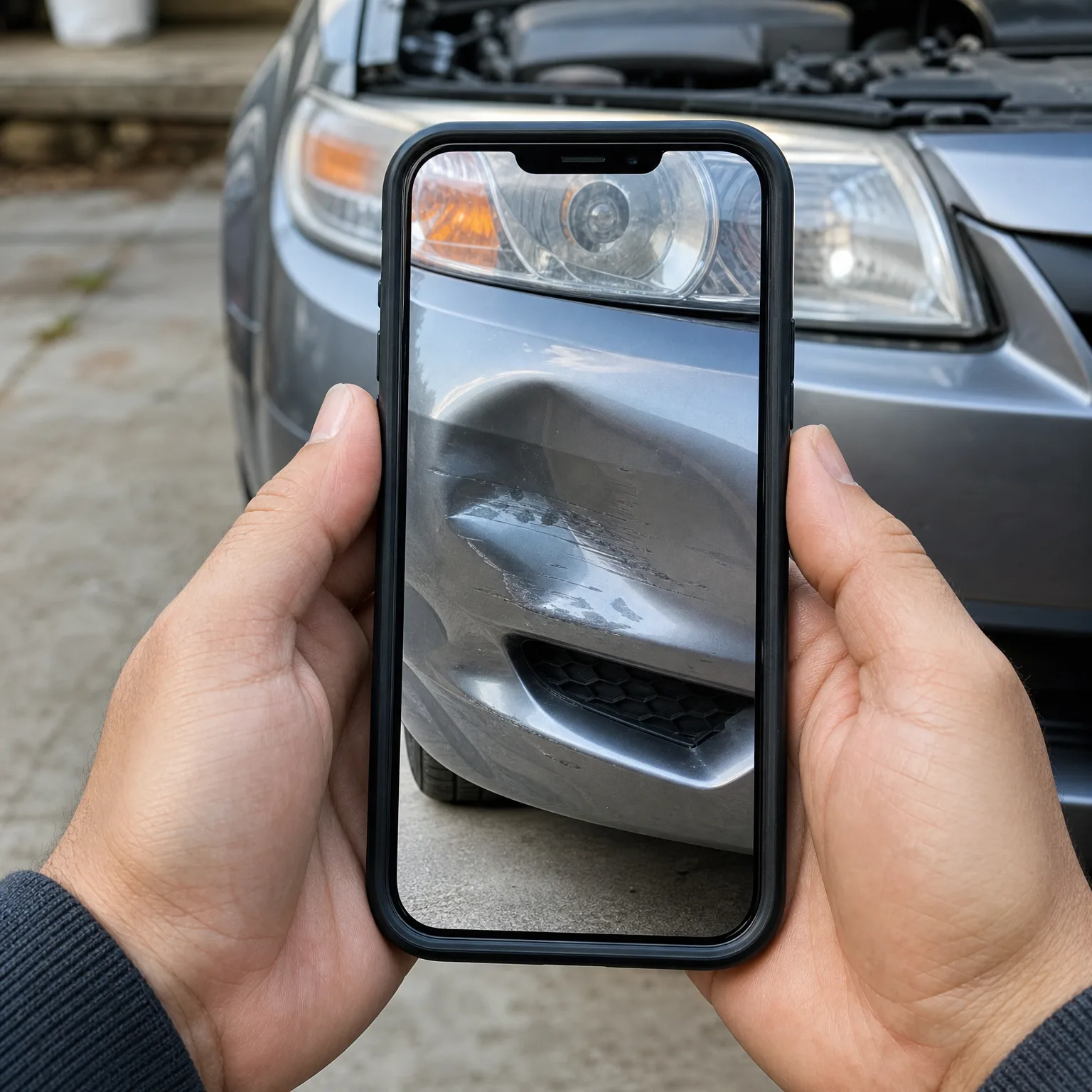
- Evidence beyond the report Photos, witness statements, and damage patterns all factor into the insurer's decision. Collect as much as you can at the scene, since it strengthens your grandchild's side of the story.
- Your policy's role If your grandchild was driving with permission, your policy is typically the one that responds first. Confirm this with your insurer before an accident happens, not after.
- Disputing a report You can challenge a police report's conclusions with your insurer if you have evidence it got something wrong. Ask your insurer how to submit additional information if you disagree.