When Should You Not Have Collision Insurance
Drop collision when your car is worth so little that a claim payout wouldn't be worth what you pay to keep the coverage.
Free to compare
It comes down to what the car is actually worth to an insurer
Collision insurance pays to repair or replace your car after an accident that's your fault, but it only pays up to the car's current market value. As a car ages, that value drops, sometimes far below what you'd expect. At some point the most you could ever collect is small enough that paying for the coverage every year stops making sense.
The math is simple once you see it. Add up what you pay for collision coverage each year, then compare it to what the car is actually worth right now, not what you paid for it or what you think it's worth. If the car is worth only a bit more than a year or two of premiums, you're essentially betting a known cost against a small possible payout.
There are cases where it works out differently. If you couldn't afford to replace the car at all without help, even a modest payout matters more than the math alone suggests. If you're still financing or leasing, your lender almost always requires collision coverage regardless of the car's value, so you may not have a choice until the loan is paid off.
State rules don't typically require collision insurance the way they require liability coverage, so this is usually your call to make once a loan isn't forcing your hand. Check your loan or lease agreement, and check what your car is actually worth, before deciding either way.
The short version
Drop collision insurance once your car's value is low enough that a payout wouldn't be worth the premiums you pay to keep the coverage. Check the car's real current value against what you pay each year, and confirm you're not still required to carry it by a loan or lease.
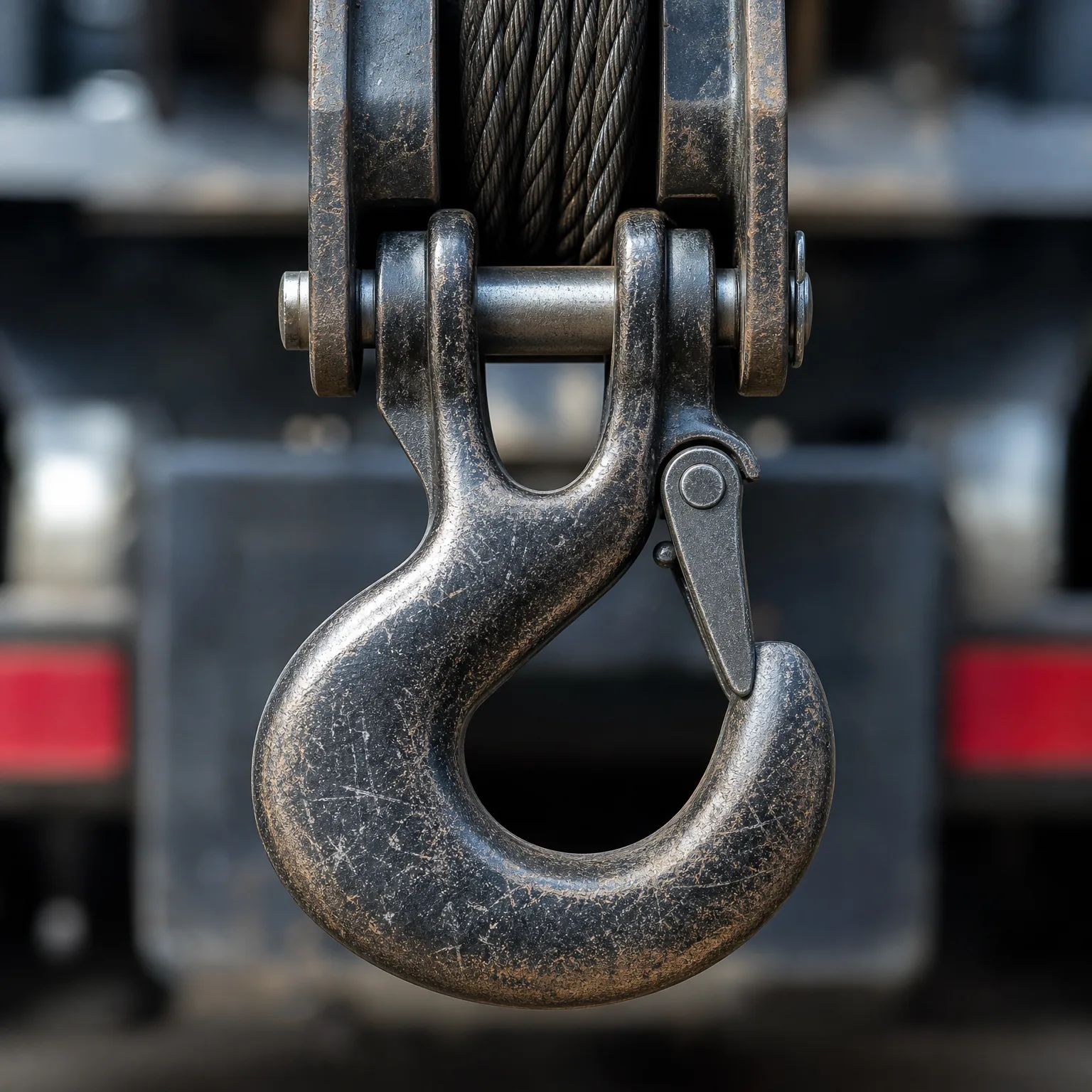
An old car still running fine but worth very little on paper
A driver had a car they'd owned for over a decade, paid off years ago, still running well with no major problems. They kept paying for full coverage out of habit, assuming it was the responsible thing to do, without ever checking what the car would actually be worth if it were totaled.
When they finally looked up the car's value, it turned out to be worth only a little more than what they'd pay in collision premiums over the next couple of years. They dropped collision coverage, kept liability coverage in place, and set aside the money they'd been spending on premiums instead. If the car was ever totaled, they'd be covering the replacement themselves, but the odds and the math both said that was the better bet than continuing to pay for coverage worth so little.
Now that you know if collision coverage still makes sense, compare quotes to see what dropping it would cost you.

Signs collision coverage may no longer be worth it
- Check the car's real value Look up what your car is actually worth today, not what you paid or what you assume. This number is the whole basis for the decision.
- Compare payout to premiums Add up what you'd pay for collision coverage over a year or two. If that's close to the car's value, the coverage isn't earning its keep.
- Confirm the loan is paid off Lenders usually require collision coverage until a loan or lease is settled. Check your agreement before you consider dropping anything.
- Think about replacement costs If you couldn't afford to replace the car without help, that changes the calculation even if the value is low. Weigh your own financial cushion, not just the math.
- Reconsider after major repairs If you've just put significant money into the car, its value may have shifted. Recheck the numbers before assuming the old decision still holds.
This isn't about the car's age or sentiment, it's about what an insurer would actually pay you for it.
How do I find out what my car is actually worth?
Look up your car's current market value using its year, make, model, mileage and condition rather than relying on memory or what you paid for it. Several free valuation tools online will give you a reasonable estimate based on recent sales of similar cars in your area. Your insurer may also use its own valuation method if you ever file a claim, so it's worth asking them directly what figure they'd use. Condition and mileage can shift the number more than people expect, so be honest about both.
Should I drop comprehensive coverage at the same time?
Not necessarily, since comprehensive and collision cover different risks and often cost differently too. Comprehensive covers things like theft, weather damage and hitting an animal, and it's frequently cheaper than collision because those events are less common. Many drivers keep comprehensive after dropping collision because the cost to maintain it is low relative to the protection. Check your own premium breakdown, since insurers price these separately and the math may not match collision's.
Can I drop collision now and add it back later?
Yes, collision coverage can typically be added back whenever you want, including right before a long trip or after getting a newer car. There's usually no penalty for having dropped it, though your rate will reflect your situation at the time you re-add it. If your car's value or your finances change, revisit the decision rather than treating it as permanent. Keep in mind some insurers may ask about your driving history during the gap.