Is It Worth Fixing a Wrecked Car
It's worth fixing if the repair cost is comfortably below the car's value and you're not using insurance money meant for something else.
Free to compare
Weigh these before you commit to the repair shop
- Repair cost vs. car value Get the shop estimate and compare it to what the car is actually worth right now, not what you paid for it. If repairs cost close to or more than the car's value, fixing it rarely makes sense.
- Who's paying for it If insurance is covering the repair, your decision is different than if you're paying out of pocket. Ask the insurer directly whether they'll total the car or allow the repair, since that may not be your call alone.
- What else is wrong with it A car with hidden mechanical problems before the crash will cost you twice, once for the wreck and once for what was already failing. Have a mechanic check it beyond just the collision damage.
- How you'll drive it after A repaired car can be mechanically sound but worth less if you ever sell it, since buyers ask about accident history. Decide whether you're keeping this car long term or planning to sell soon.
- What replacing it costs Compare the repair bill not just to the car's value but to what a similar used replacement actually costs you today. Sometimes the repair is the cheaper path even if the math looks close.

A fender bender that turned into a bigger decision
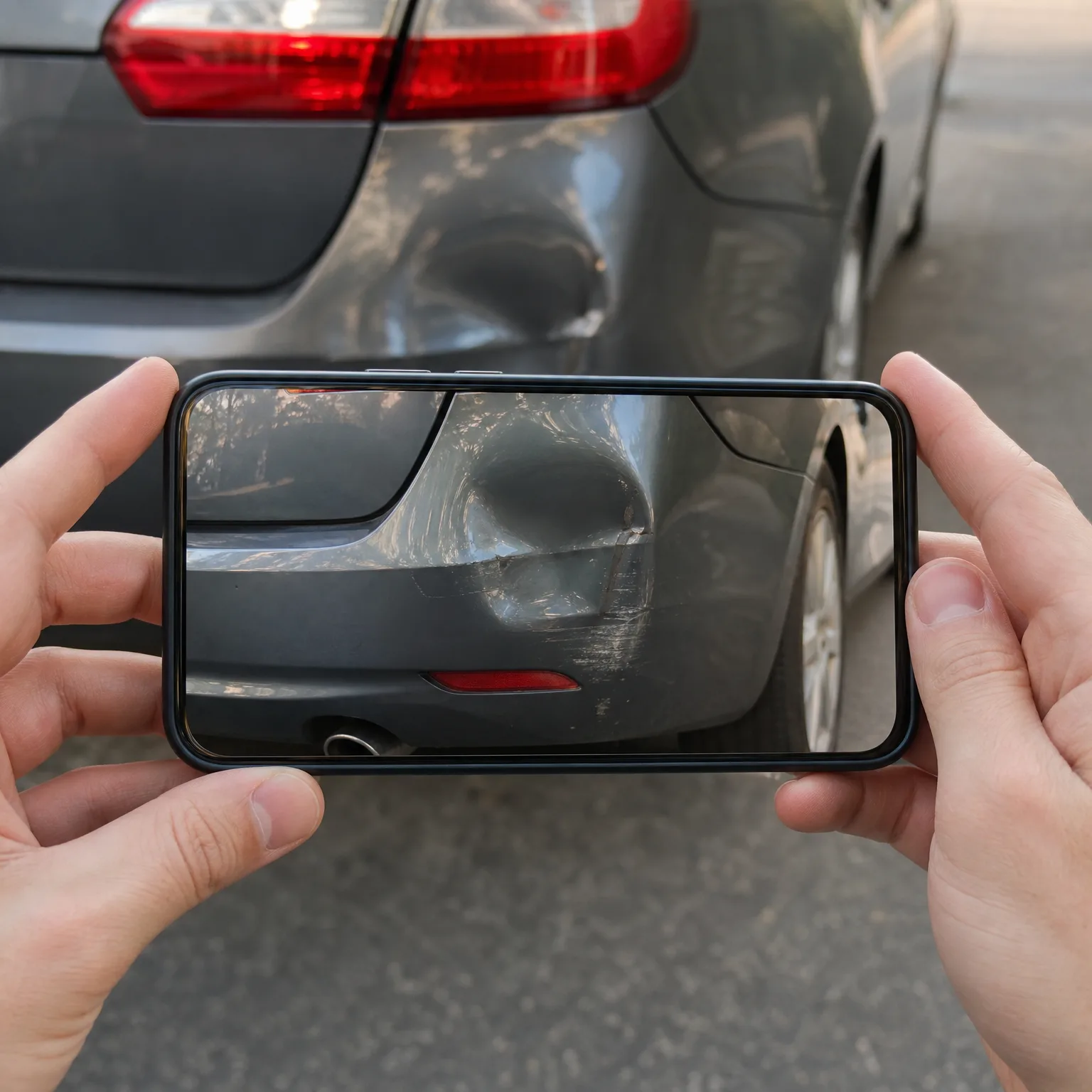
A driver's car was rear-ended at a stoplight, bending the frame and cracking a taillight. The shop estimate came back higher than expected, close to half of what the car was worth before the crash. The driver's first instinct was to fix it since the car still ran fine and felt familiar.
Before signing off, the driver called their insurer and asked how they classify the damage, and learned the company would consider it a total loss once repair costs crossed a certain share of the car's value. That pushed the decision out of the driver's hands in a useful way. The payout covered a comparable used car, and the driver avoided a repair that would have eaten savings and still left a car worth less than before. The outcome wasn't about fixing or not fixing, it was about learning who actually got to decide.
What happens if I fix it myself instead of going through insurance?
You keep full control over the repair, but you also take on the full cost and the risk of getting it wrong. Insurers won't revisit the payout later if you discover more damage once you start the work, so get a complete inspection before you begin, not after.
You'll also want to think about resale. A self-repaired car with accident history can be harder to sell at full value, especially if the work wasn't done by a licensed shop. If you're keeping the car for years, that may not matter much. If you might sell it soon, it's worth factoring into whether the repair is truly worth it.
Once you know whether to fix or replace, compare quotes to see which option costs less going forward.

How do I find out what my car is worth after an accident?
Insurers use valuation tools based on your car's age, mileage, condition, and local market prices to set its value. Ask your insurer for the specific valuation report they used, since you can usually dispute it with evidence like comparable listings or recent maintenance records. The number matters because it determines whether repair costs look reasonable or excessive.
Will my insurance rates go up if I repair instead of total the car?
Rates typically depend on who was at fault and the claim amount, not on whether the car was repaired or totaled. Check your policy or ask your insurer directly, since surcharge rules vary by company and state. If the accident wasn't your fault, your rates are less likely to be affected either way.
Can I keep a totaled car and fix it myself?
Often yes, through what insurers call a salvage retention, but the car usually gets a salvage title that can limit insurance and resale later. Ask your insurer what retaining the vehicle involves in your state, since title rules and inspection requirements differ. This path makes sense mainly if you plan to keep the car long term and do the repair carefully.

The real decision isn't fixing versus replacing, it's who actually controls that choice.