What Repairs an Old Car Needs Before Giving It Away
Fix anything that would fail inspection or hide a safety problem, and leave cosmetic flaws alone.
Free to compare
What actually needs attention before you hand over the keys
- Tires and brakes Worn tires or thin brake pads are the most common reason a new driver ends up in trouble. Check tread depth and brake feel, or have a shop do it, before the car changes hands.
- Lights and signals A burnt out headlight or brake light is an easy ticket and a real safety risk at night. Walk around the car with someone watching each light while you test them.
- Battery and fluids An old battery or low fluids can strand a young driver somewhere you're not there to help. Have a shop check the battery's life and top off or change fluids that are overdue.
- Inspection and emissions Many places won't let you register or insure a car that hasn't passed its required inspection. Get this done first, since it also surfaces problems you might not see yourself.
- Recall repairs Older cars sometimes have open safety recalls that were never fixed by a previous owner. These repairs are usually free, so check before you pay for anything else.

The short version
Before giving away an old car, fix anything that affects safety or would fail inspection, like tires, brakes, lights, and open recalls. Cosmetic issues can wait. Start with an inspection or a trusted mechanic's once-over, then title and insure the car before your grandchild drives it anywhere.
A grandfather preps his sedan for his granddaughter's first semester
A grandfather had an old sedan sitting unused after he bought a new car. His granddaughter was starting college nearby and needed something reliable to get to class and a part time job. Before signing the title over, he took the car in for a full inspection rather than just eyeballing it himself.
The shop found worn rear brake pads and a taillight that had gone dim, both easy fixes, along with an open recall for an airbag part that the manufacturer repaired at no cost. He had the brakes and taillight fixed, waited for the recall appointment, and then transferred the title once everything checked out. His granddaughter started the semester with a car that had already been looked over by someone other than family, which gave both of them peace of mind when she was driving unfamiliar roads alone.
Once the car is roadworthy, compare quotes to see what it costs to insure before your grandchild starts driving.

Does the car need new tires before I give it away?
Only if the tread is worn down or the tires are old enough to be unsafe regardless of tread. Check the tread depth and look for cracking in the rubber, since tires can degrade with age even if a car was driven rarely. A tire shop can check this for free in a few minutes. If the tires are borderline, replace them, since this is one of the most common causes of accidents for new drivers.
Should I get a mechanic's inspection or just do it myself?
A mechanic's inspection is worth it even if you're handy, because they'll catch things like worn brake pads or recall issues that aren't obvious from the outside. This matters more for an older car that's been sitting, since parts can degrade without visible signs. It's a small cost compared to a breakdown or accident. If the car has been serviced regularly and you have records, a lighter check may be enough.
Do I need to fix cosmetic damage before giving the car away?
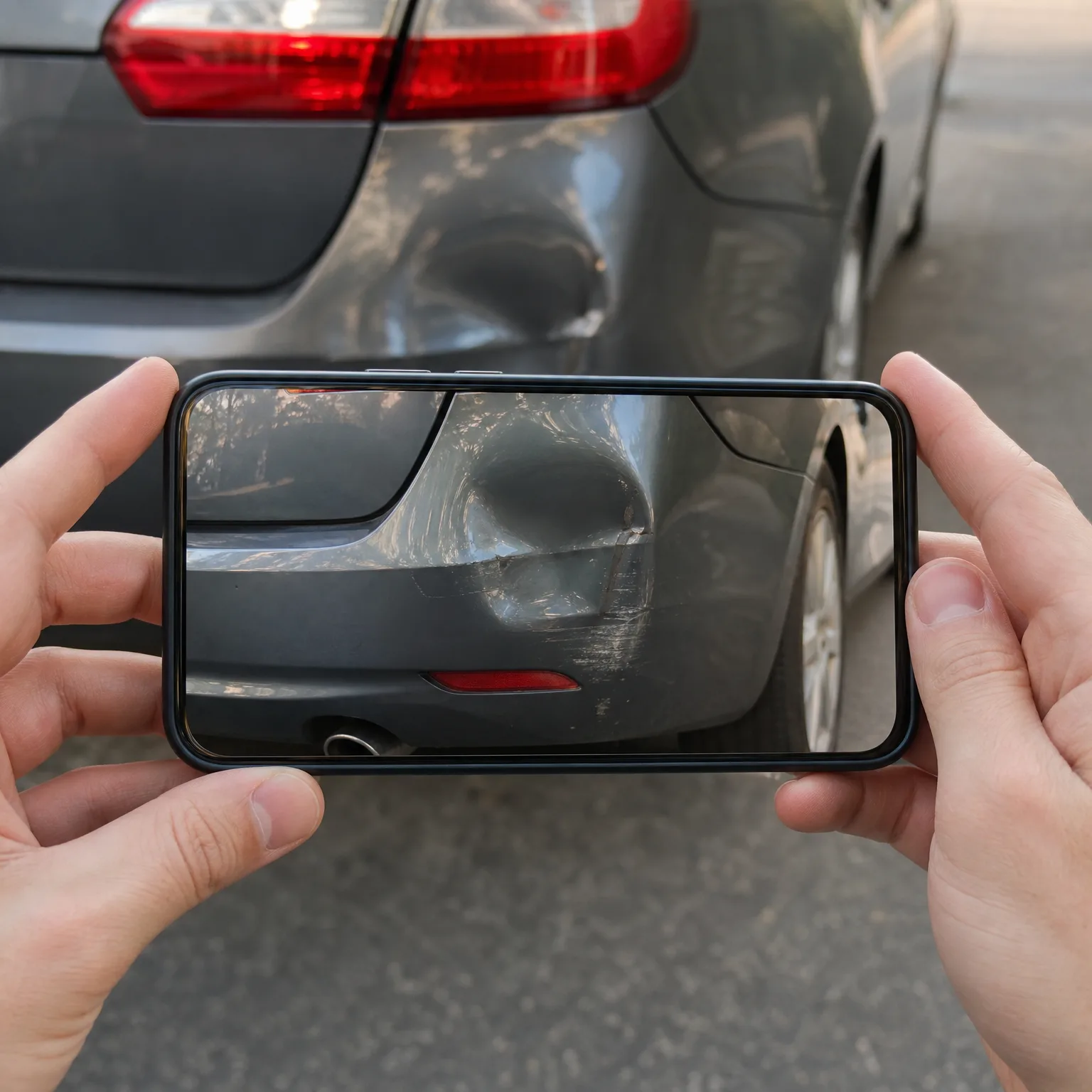
No, cosmetic damage like small dents or faded paint doesn't affect safety or insurability, so you can leave it as is. What matters to an insurer and to safety is mechanical condition, not appearance. If the damage affects visibility, like a cracked windshield, that's different and should be fixed. Otherwise, spend your money on mechanical repairs first.
The car's history with you doesn't matter to an insurer or the road, only its condition does right now.