What Does Liability Insurance Cover if You Are Not at Fault
If your grandchild isn't at fault, the other driver's liability coverage pays for your car and injuries, not your own policy.
Free to compare
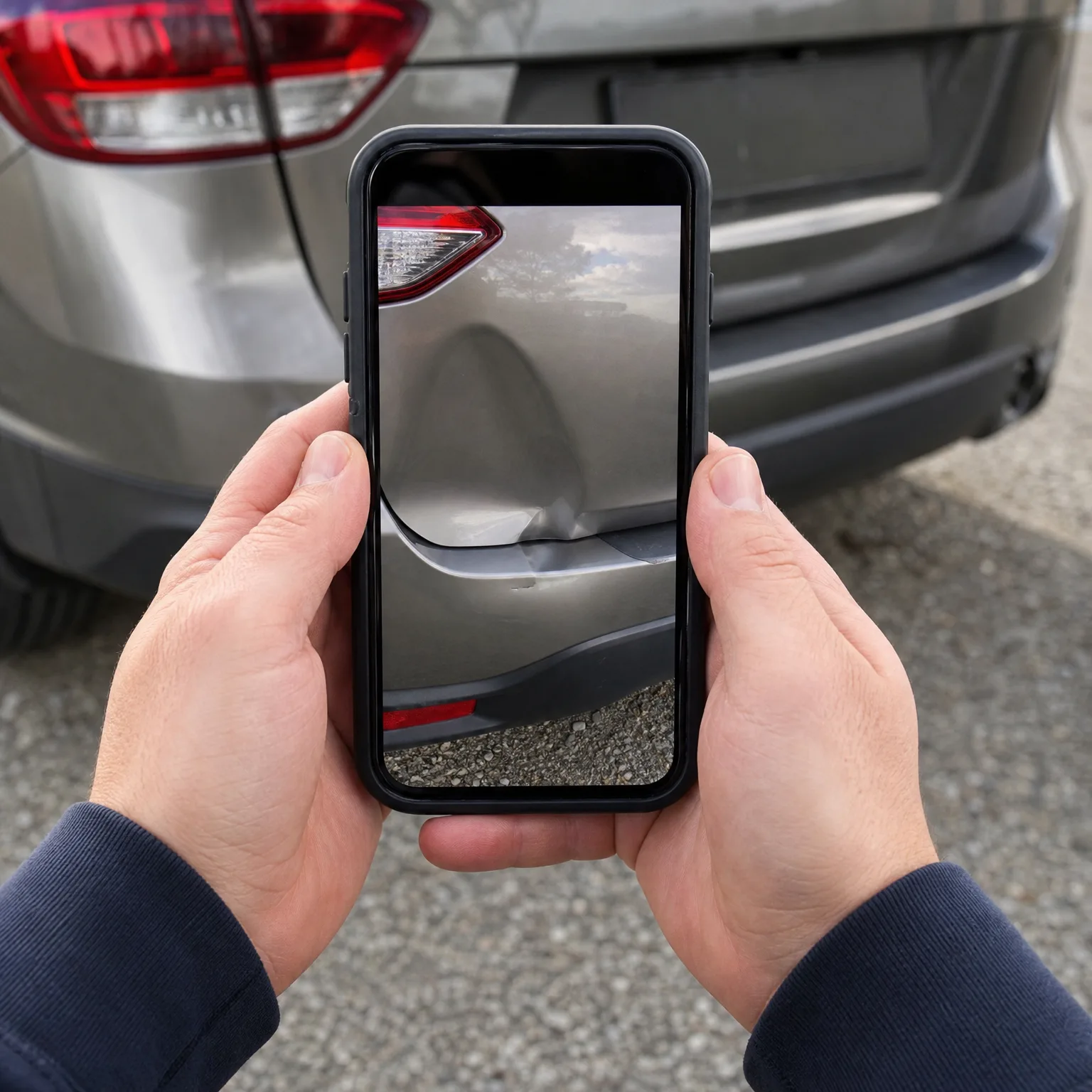
What happens after a not-at-fault crash
- Their insurer pays first The at-fault driver's liability coverage is supposed to pay for your car's damage and any injuries. Get their insurance information at the scene and file a claim with their company.
- Your policy is a backup If the other driver has too little coverage or none at all, your own uninsured motorist coverage can step in. Check your policy now so you know whether you have it.
- Your rates likely stay put A crash that's clearly not your grandchild's fault usually doesn't raise your premium. Ask your insurer directly how they classify not-at-fault claims, since this varies by company.
- Fault still has to be decided Police reports, witnesses, and sometimes traffic cameras determine who's at fault. If fault is disputed, expect the claims process to take longer before anyone pays.
- List your grandchild properly Coverage can get complicated if your grandchild drives regularly but isn't on your policy. Add them or confirm with your insurer that occasional use is already covered.
A grandchild borrows the car for the summer
Say your grandson is staying with you for the summer and borrows your car to get to his job. Another driver runs a red light and hits him. He's shaken but unhurt, and the front end of your car is damaged. He exchanges information with the other driver and calls you right away.
You file a claim with the other driver's insurance company, since the accident was clearly their fault based on the police report. Their liability coverage pays for your car's repairs and covers any medical costs from the accident. Because your grandchild wasn't at fault, your own policy isn't touched and your rates don't move. The only step you take beforehand that matters here is making sure your grandson was listed as a driver on your policy, so there's no question about coverage while you wait for the other insurer to pay.

Do you list your grandchild as a driver on your policy
If you do
If your grandchild is listed, there's no argument about whether they were covered to drive your car. A not-at-fault claim moves faster because the insurer isn't questioning who was behind the wheel or why. You can focus on dealing with the other driver's insurance instead of defending your own coverage.
If you don't
If they're not listed but drive occasionally, you may still be covered under permissive use, but insurers interpret this differently. After a crash, an unlisted regular driver can raise questions that delay a claim or get coverage denied entirely. Call your insurer now and ask them directly how they'd treat your situation.
Now that you know who pays when your grandchild isn't at fault, compare quotes to confirm your coverage backs that up.

Why the other driver's insurance pays, not yours
Liability insurance exists to pay for damage the policyholder causes to someone else. When your grandchild isn't at fault, the person who caused the crash is responsible, and their liability coverage is what's supposed to pay. Your own policy isn't meant to cover someone else's mistake, which is why a not-at-fault claim usually doesn't touch your premium or your coverage limits.
The complication is that the other driver's insurance only pays if they actually have enough coverage, and if their insurer agrees that they're at fault. Some drivers carry very little liability coverage, and some carry none. This is exactly why uninsured and underinsured motorist coverage exists on your own policy, as a backup for when the responsible party can't fully pay. Check whether you have this coverage and how much, since it varies by policy and by state.
Whose policy responds also depends on who's considered a driver of your car. Insurers distinguish between someone who occasionally borrows your car with permission and someone who drives it regularly, like a grandchild living with you for a season or longer. Regular drivers are often expected to be listed on the policy, and failing to do so can create disputes even in a clear-cut, not-at-fault accident.
Finally, fault itself isn't always obvious. Police reports help, but insurers can disagree about percentages of fault, especially in multi-car accidents. When fault is shared or contested, your own policy may end up paying a portion even though you weren't driving, which is another reason to understand your own limits before you ever need them.
The crash isn't the risk. Not knowing beforehand whether your grandchild is properly listed is.