If Someone Crashes Into Me Who Pays for the Damages
The driver who caused the crash pays, through their own liability coverage, no matter whose car your grandchild was driving.
Free to compare
A grandchild driving your car gets hit at a light
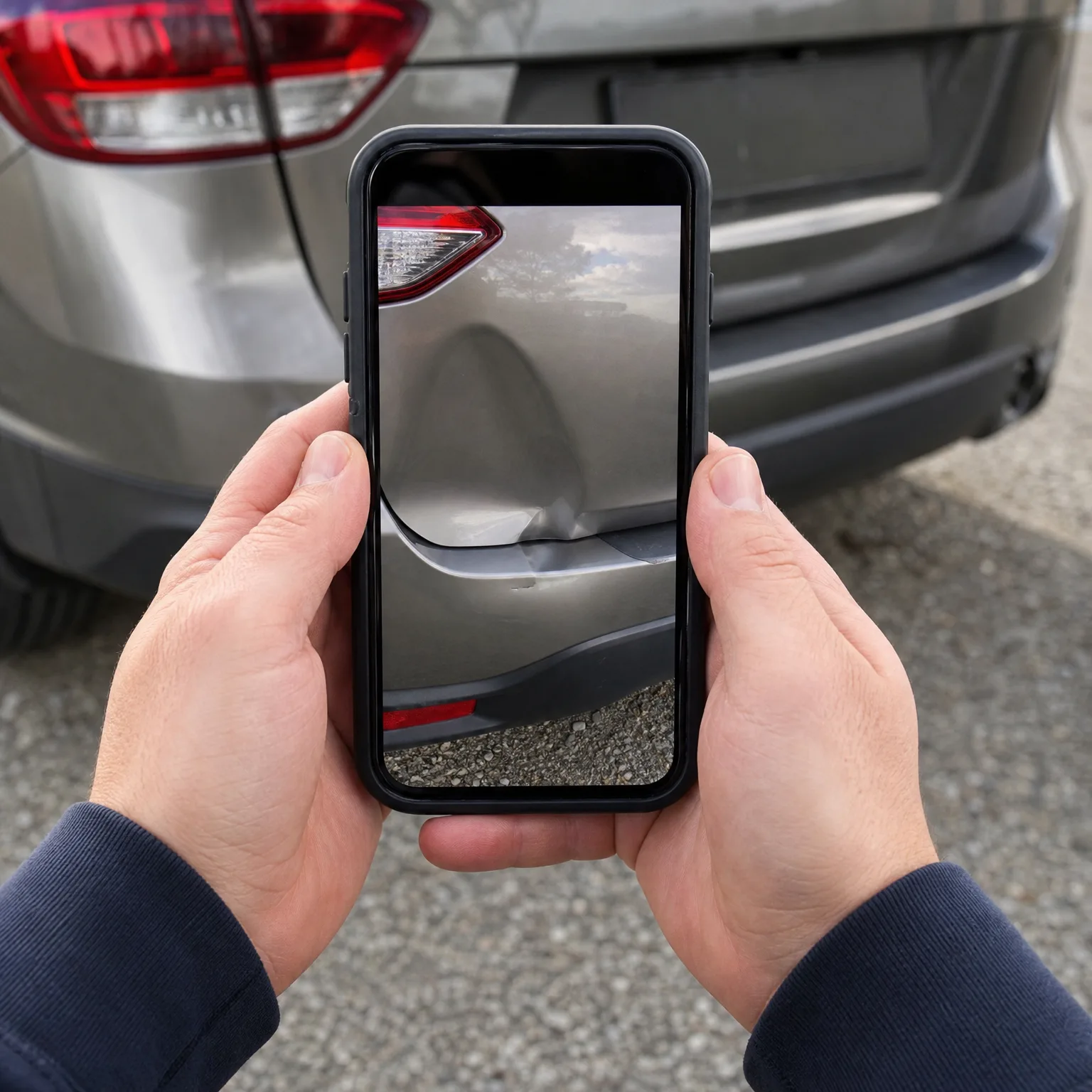
Your grandson borrows your car for the summer while he works a part time job. He's stopped at a red light when another driver rear ends him. The police report shows the other driver at fault. Your grandson exchanges information, takes photos, and calls you before the tow truck even arrives.
Because the other driver caused the crash, their liability coverage pays for your car's repairs and any medical costs from the accident. Your own policy isn't billed and your rates don't move, since you weren't at fault and didn't file a claim under your own coverage. The other driver's insurer handles the estimate and the payout directly. Your grandson gives a statement about what happened, but the financial responsibility sits with the driver who hit him, not with you or your policy.
What if the other driver has no insurance or not enough?
Then your own policy may have to step in, specifically the uninsured or underinsured motorist coverage if you carry it. This coverage exists for exactly this situation, where the at fault driver can't cover what they owe.
Whether you have this coverage, and how much, varies by state and by your policy, so check your declarations page now rather than after a crash. If your grandchild drives your car regularly, make sure this coverage is in place before you hand over the keys, since it protects your household even when someone else causes the damage.
Fault decides who pays, not the car's owner. Confirm your own coverage before worrying who's driving.
Knowing who pays when someone else is at fault, compare quotes next to make sure your own coverage holds up.

Check uninsured motorist coverage before they drive
If you do
You confirm your policy protects your grandchild if an uninsured driver hits them. You know the claim process ahead of time instead of learning it during a crisis. If a gap exists, you can fix it before your grandchild ever takes the wheel, not after.
If you don't
You assume you're covered and may find out otherwise only after a crash leaves you with repair costs and no path to recovery. Your grandchild could be left waiting on a claim that goes nowhere, since the at fault driver can't pay and you have no backup coverage.
Why the at fault driver's insurer pays and not yours
Liability coverage is built around fault, not ownership. The policy that pays is the one belonging to the person who caused the crash, because liability insurance exists specifically to cover damage that driver does to others. Your grandchild driving your car doesn't change whose insurance answers for the accident, since the question insurers ask first is who was negligent, not whose name is on the title.
Your own policy gets involved only in specific situations. If the other driver is uninsured or underinsured, your uninsured motorist coverage may need to cover what they can't. If fault is unclear or shared, your insurer may pay first and then seek reimbursement from the other driver's insurer, a process that happens behind the scenes and doesn't usually affect your rates the way an at fault claim would.
Living arrangements and how often your grandchild drives the car can matter here too. If your grandchild lives with you or drives your car regularly, insurers often expect them listed on your policy, and this affects how smoothly any claim moves, even one where the other driver is at fault. An unlisted driver can complicate things, since the insurer may question the arrangement before paying out, even when fault was never in question.
State rules shape some of this further. A few states use no fault systems where your own policy pays for medical costs regardless of fault, with the option to pursue the other driver only in serious cases. Check which system your state uses, since it changes who you deal with first after a crash, even when it doesn't change who ultimately bears the cost.