What Cannot Be Covered by Liability Insurance
Liability pays for the other person's car and injuries, not for your grandchild's car or your grandchild's own injuries.
Free to compare
Liability only pays for the damage you cause to someone else
Liability coverage exists to protect other people from the harm your grandchild might cause while driving your car. It pays for the other driver's car, their medical bills, or damage to their property. It was never built to protect your own vehicle or the person driving it, no matter how the accident happened.
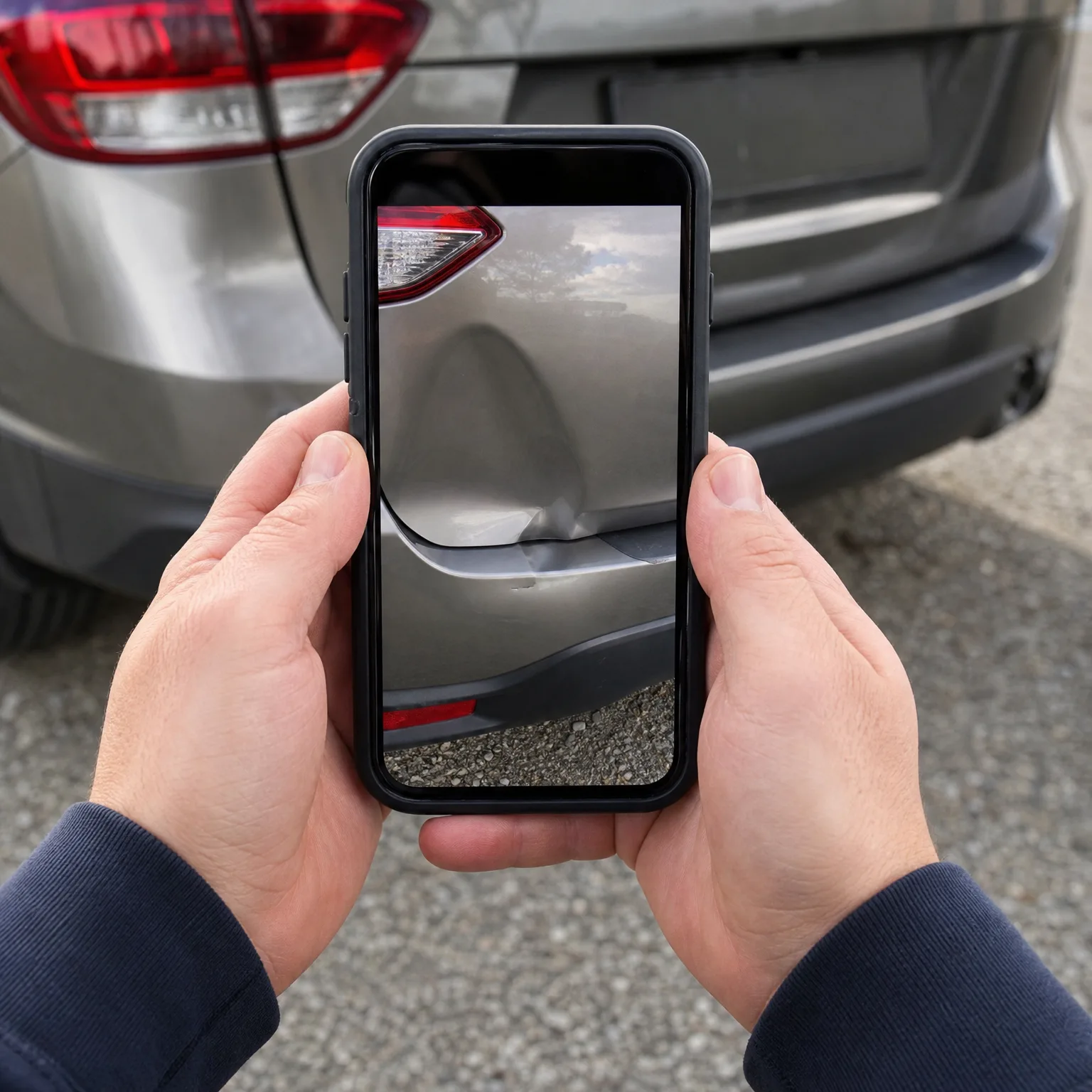
That's why the car your grandchild is driving, the one with your name on the title, gets nothing from liability if it's damaged in a crash they cause. For that, you need collision coverage. If the car is hit by a storm, stolen, or vandalized, you need comprehensive coverage. Neither of those is liability, and neither is automatic. Check your policy to see if you carry them, especially if the car is older and you've been tempted to drop that coverage to save money.
Your grandchild's own injuries are a separate gap. If they're hurt in a crash they caused, liability won't cover their medical bills either. Some states require insurers to offer coverage for the driver's own injuries, often called personal injury protection or medical payments coverage, but whether you have it and how much depends on your policy and your state. This is worth checking before your grandchild starts driving regularly, not after.
There are also situations liability was never meant to touch at all. Intentional damage, racing, using the car for a business like deliveries without the right coverage, these can all void liability protection entirely. If your grandchild is using the car for anything beyond normal driving, tell your insurer and ask directly what's excluded.
What liability leaves uncovered, and what to check
- Damage to your own car Liability won't pay to fix or replace the car your grandchild drives, even if the crash is their fault. You need collision coverage for that, so check if it's on your policy.
- Your grandchild's injuries If your grandchild causes a crash and gets hurt, liability doesn't cover their medical costs. Ask your insurer what coverage exists for the driver's own injuries in your state.
- Theft, weather, vandalism Liability has nothing to do with a stolen or storm-damaged car. That protection comes from comprehensive coverage, which is separate and optional.
- Intentional or excluded acts Racing, intentional damage, or using the car for work it wasn't insured for can void liability entirely. Tell your insurer exactly how the car will be used.
- Rideshare or delivery driving Personal liability usually stops covering the car once your grandchild is driving for pay. Ask your insurer what's needed if that's a possibility.
Once you know what liability skips, compare quotes for coverage that actually protects your own car and your grandchild.
A grandmother learns what her policy actually covers
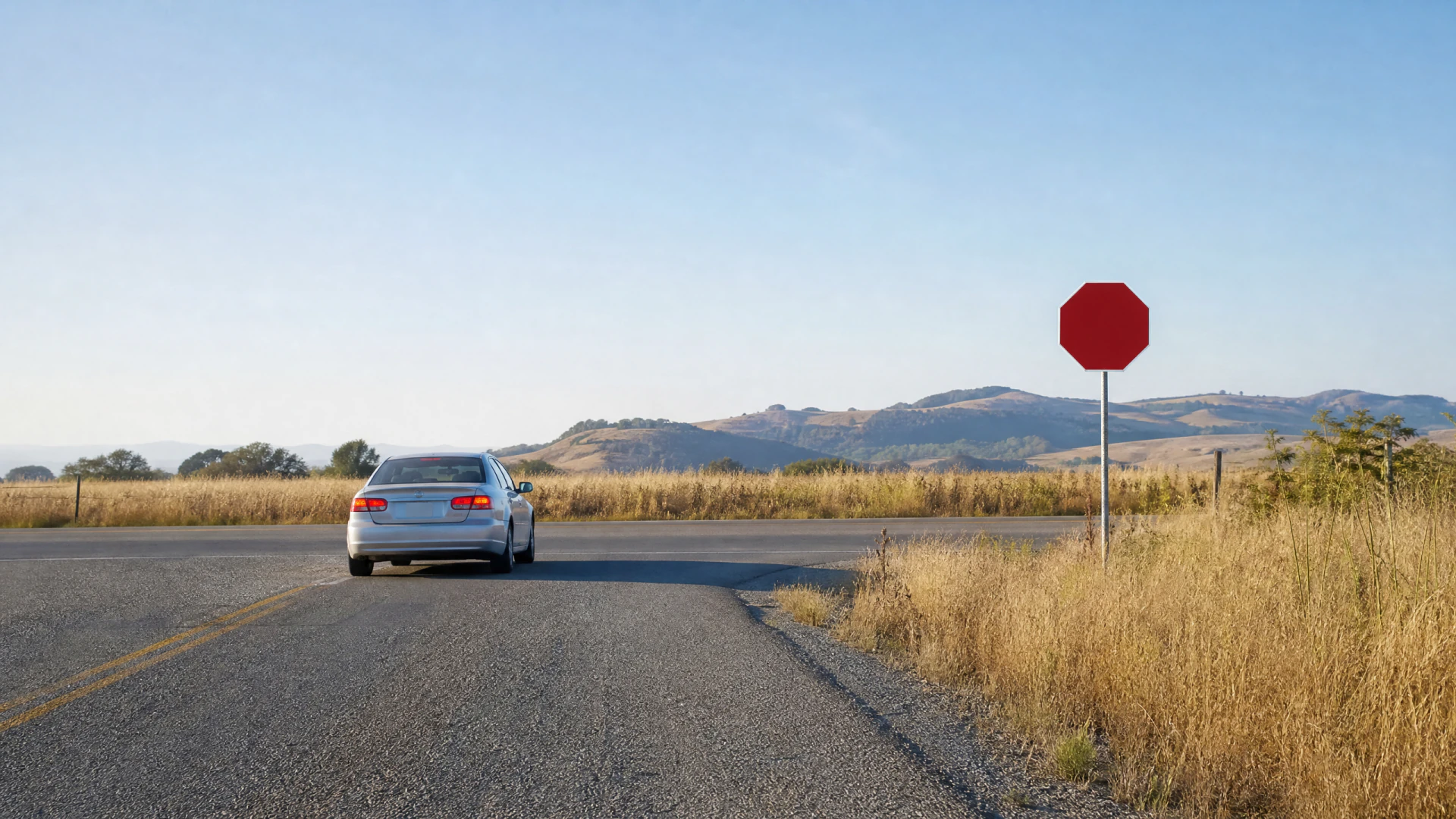
A grandmother let her grandson drive her older sedan for the summer while he worked a landscaping job. She assumed her insurance would take care of things if anything happened, since the car was insured and he was a careful driver. A few weeks in, he slid off a gravel road avoiding a deer and hit a tree. No one else was involved.
Her liability coverage was useless here, because liability only pays when you damage someone else's property or injure someone else. Her own car needed collision coverage to be fixed, and she discovered she'd dropped that years earlier when the car got old, to save money on the premium. She paid for the repair herself. Afterward, she added collision back for the summer and asked her insurer directly what would happen if her grandson got hurt in a future accident, not just what would happen to the car. Knowing the actual gap changed how she thought about letting him drive, not because she distrusted him, but because she finally understood what her policy was and wasn't doing for her.
Liability protects other people from your grandchild, not your grandchild or your car from the accident.
Do I need collision coverage if my grandchild drives my old car?
It depends on what the car is worth to you and what you could afford to lose. If the car is old enough that repairs would cost more than it's worth, some owners decide the cost of collision coverage isn't worth paying every month and accept the risk of paying out of pocket for a wreck.
But if losing the car would be a real financial hit, or if your grandchild depends on it for work or school, collision coverage protects you from an expense you may not be ready for. Ask your insurer what the car is worth now and what collision would cost to carry. That comparison, not the car's age alone, is what should guide the decision.