Where Is the Best Place to Practice Driving
The best place to practice is wherever risk stays low, starting with empty lots, then quiet streets, then harder roads as skill grows.
Free to compare
Practice location controls both risk and learning speed
Insurance exists to cover the gap between what could happen and what you can afford if it does. When a new driver is behind the wheel, that gap is wider, so where they practice changes how much risk you're actually carrying during those early weeks. An empty parking lot has almost nothing to hit. A quiet residential street has more, but still forgiving. A highway at rush hour has the least room for error and the highest cost if something goes wrong.
This matters for your policy because any accident during practice, no matter how minor, can involve your car, your coverage and sometimes your rates, depending on who's listed as a driver and how your insurer treats the situation. Choosing lower risk settings early isn't just good teaching, it's a way of keeping the odds in your favor while the skill is still being built.
The order also matters because skills stack. Steering and braking come before judging gaps in traffic. Judging gaps comes before merging at speed. Skipping ahead to harder environments before the basics are solid is where most practice accidents happen, not because the driver is careless, but because the environment asked for more than they'd learned yet.
Where this can look different is local law. Some states set specific rules for supervised practice, including where a learner's permit allows driving at all, so it's worth checking your state's permit rules before you decide on locations, since those rules can override general advice.
A grandchild learning on a car you're letting them drive
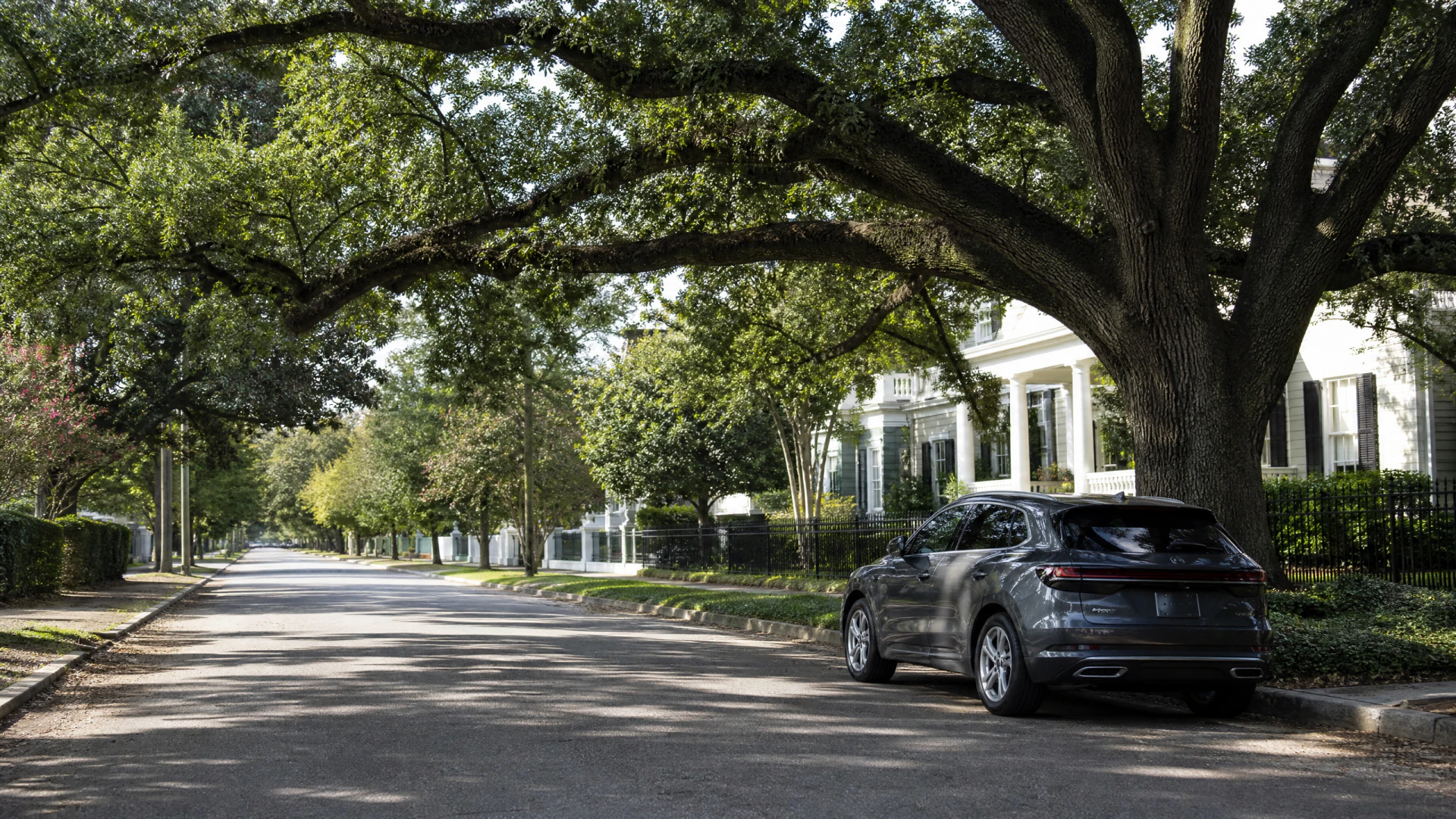
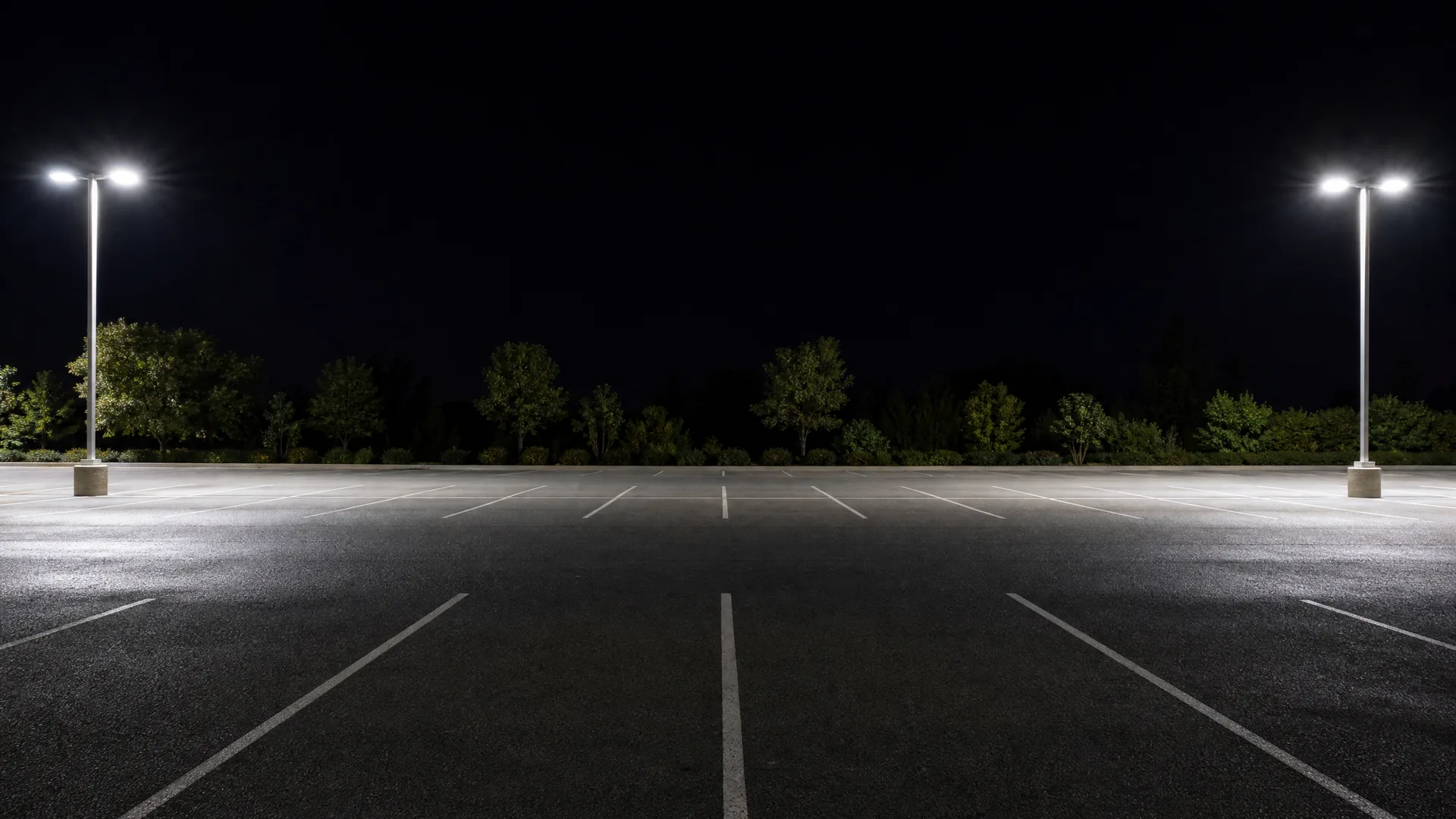
Say your grandchild is visiting for the summer and you've agreed to let them practice in your car before they start driving it regularly. You start in an empty church parking lot on a weekend morning, working on starts, stops and turns with nothing nearby to hit. After a few sessions they're comfortable with the basics, so you move to your neighborhood streets, still slow, still quiet, but with real intersections and parked cars to navigate around.
A few weeks in, they handle a stop sign poorly and clip a mailbox at low speed. Because you'd kept the early practice low risk, the only damage is cosmetic and minor, and because you were there supervising, you can speak clearly to what happened if your insurer has questions. The lesson isn't that accidents won't happen, it's that choosing where to practice shaped how small this one turned out to be.

The place you choose for practice is also the place you choose how expensive the first mistake gets.
Once you've mapped out a safe way to start practice, compare quotes to see how a young driver affects your coverage.
Should you start practice in low risk locations first
If you do
Early mistakes happen somewhere forgiving, like empty lots or quiet streets. Damage, if any, is usually minor and cheap to fix. Your grandchild builds real confidence before facing traffic, merges or high speed roads, and you have a clearer picture of their skill before trusting them with more.
If you don't
Starting in traffic or on unfamiliar roads means mistakes happen where consequences are bigger. A small misjudgment can turn into a real collision, more expensive repairs, and a harder conversation with your insurer. You also learn less about their actual skill level before the stakes go up.
How to pick practice spots that keep both skill and risk in check
- Start empty, not quiet Empty lots have no other cars or pedestrians to react to. Use them first for pure vehicle control before adding any real traffic.
- Move to slow streets next Quiet residential streets add real decisions like stop signs and parked cars. Wait until basic control feels automatic before this step.
- Save highways for last Highway speed and merging demand quick judgment that takes time to build. Only add this once city and residential driving feel comfortable.
- Check your state's permit rules Some states restrict where or when a permit holder can drive. Look up your state's specific rules before planning a practice route.
- Match time of day to skill level Daylight and light traffic are easier than night or rush hour. Pick practice times that match where your grandchild actually is, not where you hope they are.