Teaching a Grandchild to Drive
If the car is yours and the policy is yours, your insurance is on the hook the moment your grandchild gets behind the wheel to learn.
Your policy follows the car, not the relationship
Insurance mostly cares about two things: who owns the car and who's listed as a driver on it. It doesn't care that you're a grandparent instead of a parent, and it doesn't automatically know your grandchild exists until someone tells the insurer. That's why teaching a grandchild to drive in your car means you're the one whose policy responds if something goes wrong, no matter how occasional the driving is.
Most insurers expect you to add a learner once they're practicing regularly, even before they're licensed. The logic is simple. If someone is driving your car with any frequency, the insurer wants to know so they can price the risk correctly. Skipping this step doesn't remove the risk, it just means you might find out during a claim that coverage was thinner than you thought.
Where your grandchild lives changes things. If they live with you, insurers typically treat them like a household member who needs to be on your policy once they're licensed. If they're just visiting for the summer or practicing occasionally, some insurers allow a lighter touch, like adding them temporarily or noting them as an occasional driver. This is one of the places where rules genuinely differ by insurer, so ask directly what your company requires for your specific situation.
If your grandchild has their own parents with their own policy, that policy may already extend some coverage to them as a driver, even in your car. But that coverage can be secondary to yours, meaning your policy often pays first. Don't assume the parents' policy replaces the need to tell your own insurer what's happening.

What to settle before the first driving lesson
- Call your insurer first Tell them a grandchild will be learning in your car and ask what they require. This avoids surprises later and tells you exactly where you stand.
- Clarify the living situation Whether your grandchild lives with you, visits seasonally, or is just borrowing the car changes what your insurer needs. Be specific when you describe it.
- Ask about the parents' policy Find out if your grandchild is already covered under their parents' insurance and how that interacts with yours. This affects who pays first after a claim.
- Decide who's listed as owner If you're handing down a car permanently, consider whether titling and insuring it in your grandchild's name makes more sense. This can shift risk off your policy entirely.
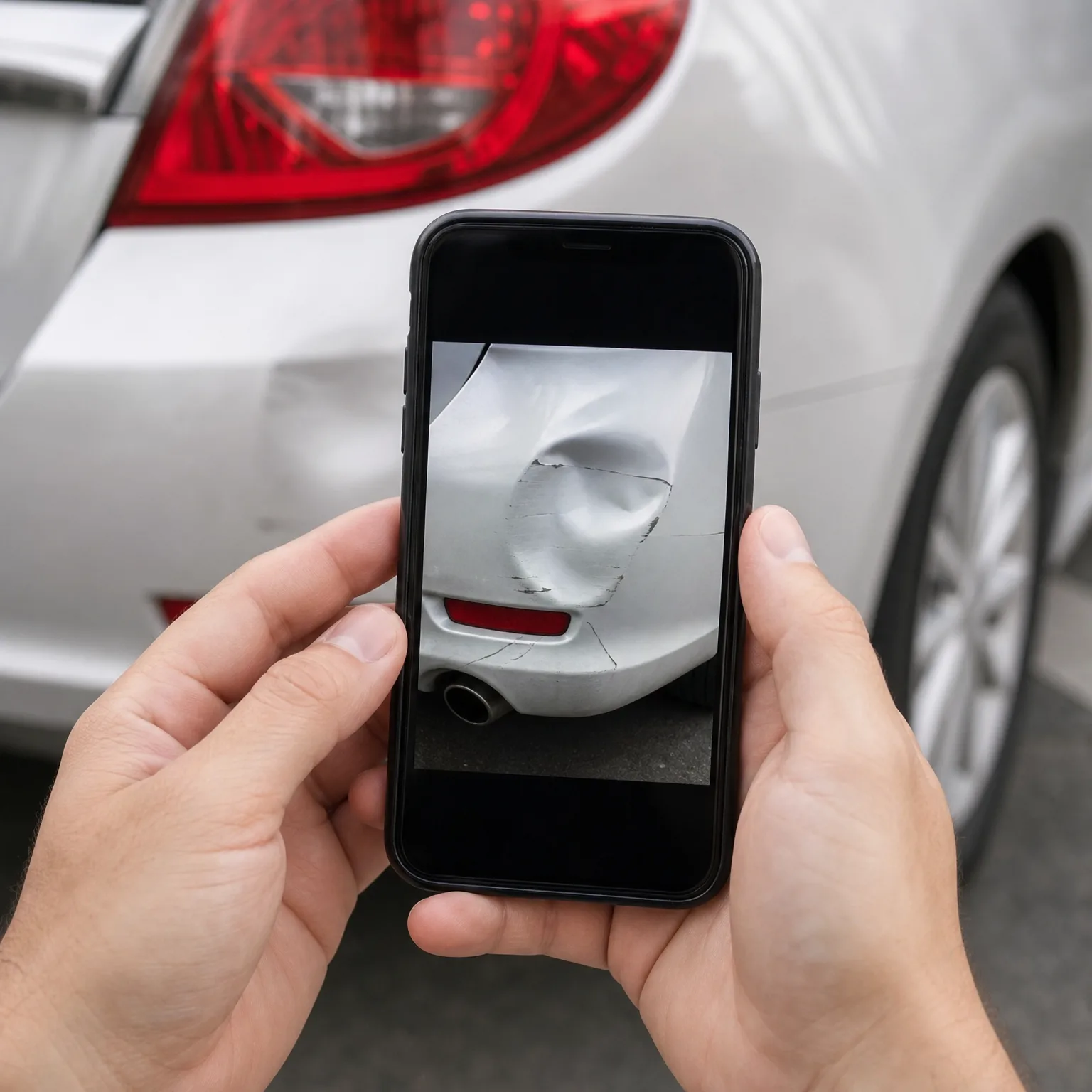
- Talk about what a claim means Agree in advance on what happens to your rates and savings if your grandchild causes an accident. Clear expectations now prevent hard conversations later.
Will my rates go up if I add my grandchild to my policy?
Probably, at least somewhat. Adding a young, inexperienced driver to any policy usually increases the cost, because insurers price risk based on age and experience behind the wheel. This isn't unique to grandparents, it's the same adjustment any household makes when a new teen driver joins.
How much it changes depends on your insurer, your state, and the specific car your grandchild will drive. Some insurers offer ways to soften the increase, like good student discounts or programs that reward supervised practice hours. Ask your insurer directly what options exist before assuming the worst. The honest answer is that it costs something, but the alternative, an uninsured or misclassified driver in your car, costs far more if there's ever an accident.
Once you know how your grandchild will be covered, compare quotes to see what that coverage actually costs.

Does my grandchild need their own insurance policy?
Not necessarily, especially while they're learning. Most insurers let you add them to your existing policy as a listed driver instead. A separate policy usually only makes sense once they have their own car, their own address, or their parents want them on a different policy entirely. Ask your insurer what fits your situation before setting up anything separate.
What if my grandchild only drives my car during summer visits?
Many insurers have a lighter option for occasional or seasonal drivers instead of full-time listing. This varies by company, so ask specifically about seasonal or visiting drivers. Some will add them temporarily, others want them listed year-round if they're licensed. Don't assume occasional use means no action is needed, call and ask what your insurer requires.
Can I keep my grandchild off my insurance if they rarely drive?
Usually not safely, if they're a licensed driver with regular access to your car. Insurers expect disclosure of anyone who drives with any regularity, and leaving them off can jeopardize a claim later. If driving is truly rare and supervised, ask your insurer directly what threshold triggers the requirement to add someone.

The real risk isn't your grandchild driving, it's your insurer not knowing about it until after a claim.