How to Practice Highway Driving
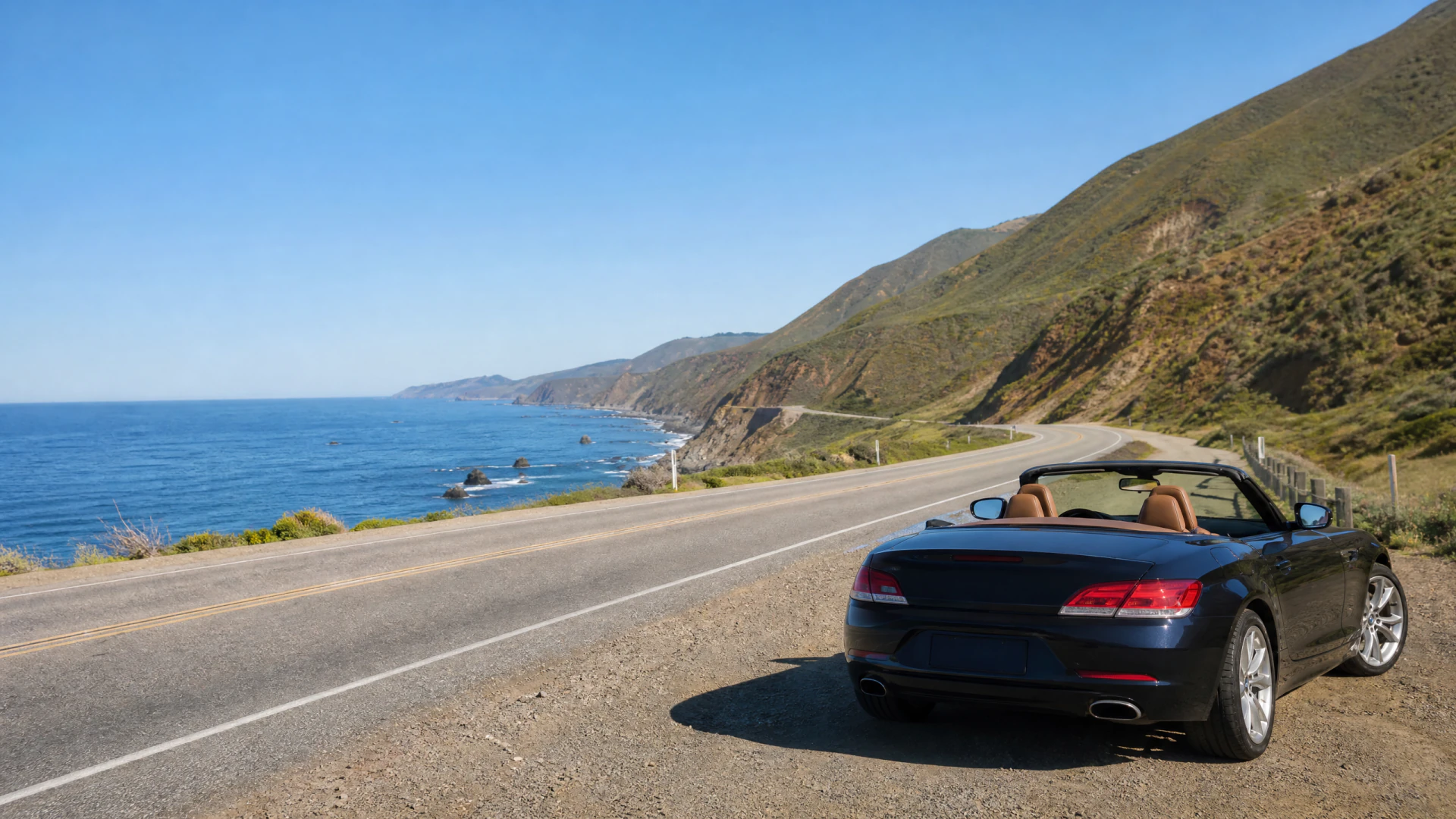
The safest path is short highway sessions in the actual car they'll drive, with you or a parent beside them well before they go alone.
Highway skill comes from repetition, not one big trip
Highway driving asks for different judgment than side streets. Merging, reading traffic several cars ahead, holding a steady speed and changing lanes without hesitation all take repetition to feel normal. A new driver who's only practiced in town will freeze or overcorrect the first time traffic moves at speed, so the goal is to make the highway feel ordinary before they ever face it without you.
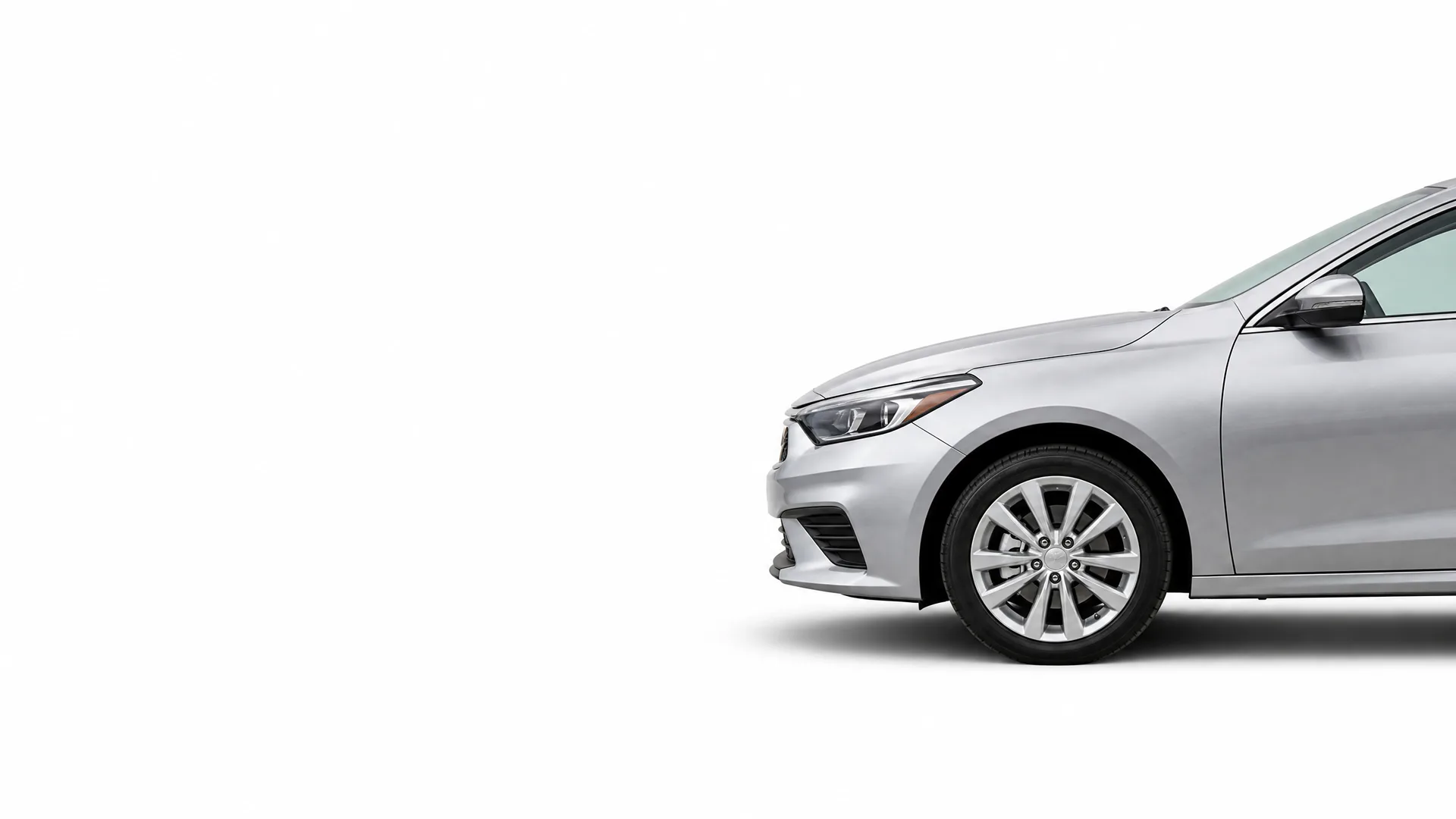
The car matters as much as the driver. If your grandchild will be driving your car, practice in that car specifically, not a parent's car or a driving school's. Mirrors, blind spots, acceleration and braking all feel different from one car to the next, and muscle memory doesn't transfer perfectly.
Start on a short, low-traffic stretch at a quiet time of day, then build up gradually, adding distance, merging practice, heavier traffic and eventually a stretch of unfamiliar road. Each session should ask slightly more of them than the last one did, since confidence built too fast is as risky as no confidence at all.
Where this differs is in how much supervised time feels like enough. Some new drivers settle into highway driving in a handful of sessions, others need many more, and that's normal. What matters is that the decision to let them drive alone comes from what you've actually observed, not from how long they've had a license or how eager they are.
A grandmother teaching her grandson before college
A grandmother planned to let her grandson take her older car to college, where he'd need it for a part-time job. He had his license but almost no highway experience, since his parents lived somewhere he'd never needed one. She started with short loops on a nearly empty highway near her house on Sunday mornings, sitting beside him each time and talking through what she was watching for, like the gap he was merging into or the truck two lanes over.
Over a few weekends they added distance, then rush hour, then a drive through an unfamiliar interchange with confusing signage. By the fourth weekend he was merging smoothly and catching his own mistakes before she had to say anything. She felt comfortable letting him drive the two hours to school on his own, and because she'd seen him handle real conditions rather than just a quiet road, she wasn't guessing about whether he was ready.

Whether you ride along for real highway practice first
If you do
You see exactly how they merge, judge speed and react to sudden braking, so you know their actual skill level instead of assuming it. You can correct small habits before they become permanent. When the day comes for them to drive alone, your confidence is based on something real.
If you don't
They head into real highway conditions the first time with no feedback and no one to catch a bad habit early. Small mistakes like late merges or poor following distance go uncorrected and become normal. If something goes wrong, you're left wondering whether more practice would have prevented it.
Once you've seen them drive the highway with you, compare quotes so their coverage matches that driving.


What makes highway practice actually count
- Same car every time Practice in the car they'll actually drive, not a different one. Pedal feel, mirrors and blind spots don't transfer between cars, so switch as early as possible.
- Build up traffic gradually Start nearly empty, then add light traffic, then rush hour. Jumping straight to heavy traffic teaches panic instead of skill.
- Practice merging specifically Merging is the one skill most new drivers never fully master without help. Have them merge repeatedly in both directions until it's automatic, not just survived.
- Include an unfamiliar route A familiar highway hides how much they're relying on memory instead of judgment. Drive somewhere new together so you see how they react to real uncertainty.
- Judge readiness yourself Don't hand over solo driving based on a calendar or how confident they sound. Base it on specific things you've watched them do well, more than once.
Confidence should come from what you've watched them do, not from how long they've had a license.