What Not to Tell a Claims Adjuster
Stick to the facts of what happened and who was driving, and avoid guessing, apologizing, or estimating anything you're not certain of.
Free to compare
Adjusters listen for anything that shifts blame or cost onto you
An adjuster's job is to settle the claim for as little as the policy allows. That's not sinister, it's just the role, but it means every word you say gets weighed for what it implies about who's at fault and whether coverage applies. Casual phrases like "I'm sure he was being careful" or "I probably should have checked the mirror" can be recorded as opinions or admissions, even when you're just trying to be helpful or polite.
This matters more than usual in a grandparent-grandchild situation because the adjuster will also be asking questions to figure out who actually lives in the household, who the regular driver is, and whether the grandchild was listed on the policy the way the insurer expected. Answer what's asked about the crash itself, but don't speculate about arrangements, intentions, or fault. If you don't know an answer, saying so is accurate and safe.
Avoid guessing at speeds, distances, or who was more at fault, even if you weren't there. Secondhand impressions, especially ones softened to protect your grandchild, can read as inconsistent with the police report or the other driver's statement, and inconsistency is what adjusters use to delay or reduce payouts.
In some states, anything you say to an adjuster can be used in later settlement talks or even in court, so treat the conversation as informational, not conversational. If you're unsure what you're required to disclose versus what's optional, your insurer or state insurance department can tell you what the rules are where you live.
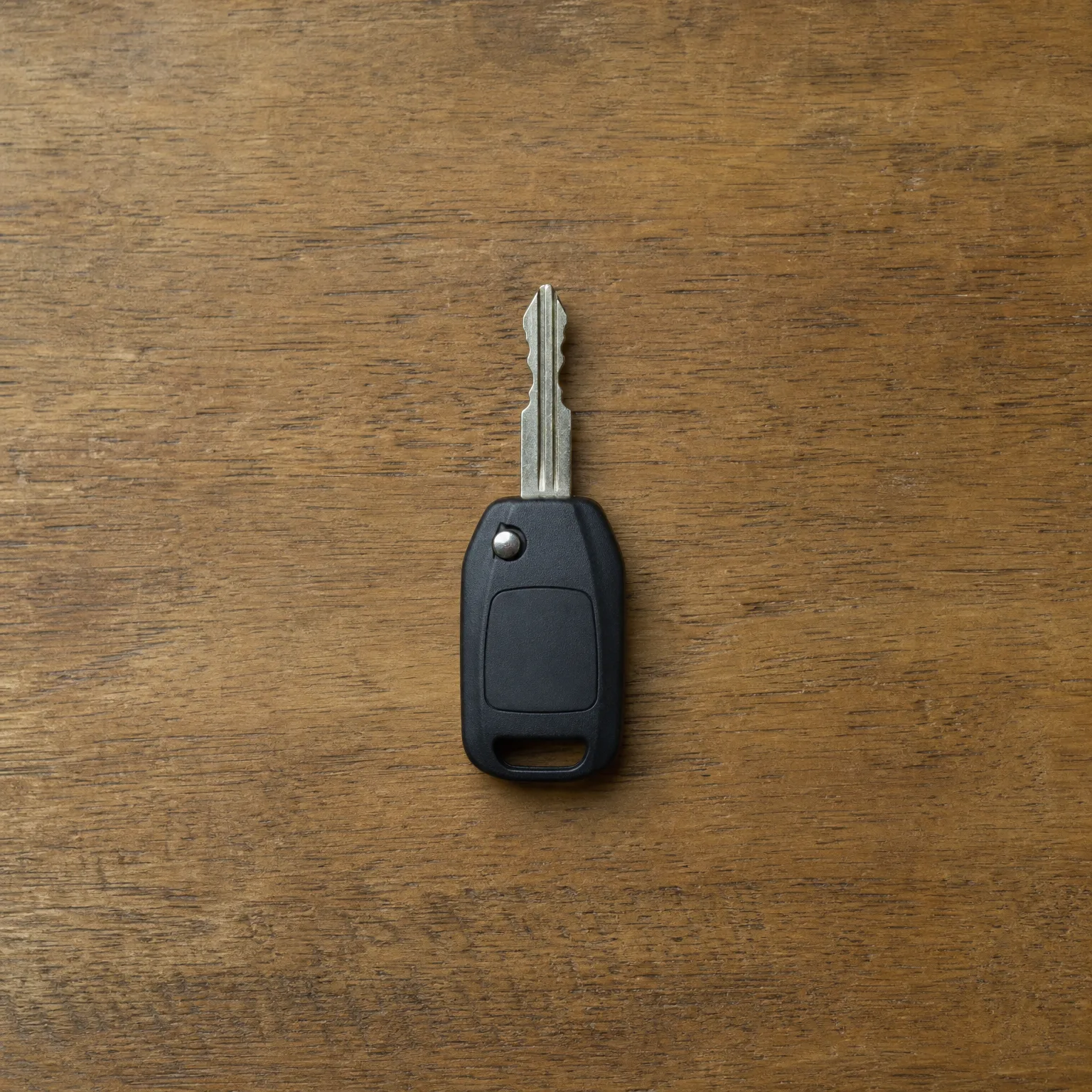
A grandmother answers questions after her grandson's fender bender
A grandmother let her college-age grandson use her older car while he was living with her for the summer. He backed into a parked car in a lot and called her, upset, saying he thought he'd checked his mirrors but wasn't sure. When the adjuster called her later, she was asked who was driving, where the grandson lived, and how the crash happened.
She stuck to what she actually knew: her grandson was the driver, he lived with her for the summer, and the damage was to the rear bumper. When the adjuster asked if her grandson had been distracted, she said she wasn't in the car and couldn't say. She didn't repeat his unsure comment about the mirrors, since it was his impression, not a fact she'd witnessed. The claim moved forward on the physical evidence and the other driver's report, and her honest but limited answers didn't add any new liability that wasn't already clear from the accident itself.

What you say becomes part of the record, so answer only what you know firsthand, not what you assume.
Knowing how to talk to an adjuster without raising your risk, compare quotes to get your grandchild properly covered.

Should you handle the adjuster yourself or let your grandchild do it
If you do
If you answer the adjuster's calls yourself, you control what gets said and can stick to facts you're sure of. You can also ask questions about coverage and next steps directly, which helps you understand how the claim affects your policy and your household.
If you don't
If you let your grandchild handle it alone, they may feel pressured to over-explain or apologize, which can be read as admitting fault. Without your experience steering the conversation, small comments might get recorded in ways that complicate the claim later.
Can I refuse to answer questions from my own insurance adjuster?
You generally can't refuse entirely, since cooperating with your own insurer is usually a condition of your policy. But you can say you don't know something instead of guessing, and you can ask to follow up in writing if you want time to think. Check your policy's cooperation clause, since refusing to engage at all can risk denial of coverage. If you're ever unsure whether a question is required or optional, ask the adjuster directly or call your insurer's main line to confirm.
What if the other driver's insurance adjuster contacts me directly?
You're not obligated to give a recorded statement to the other driver's insurer, and it's usually safer not to without thinking it through first. Their adjuster's job is to protect their own company, not yours. You can politely decline and refer them to your insurer instead. Rules on this vary by state, so if you're unsure whether you must respond, your state insurance department or your own insurer can tell you what's required where you live.
Should my grandchild talk to the adjuster at all if they weren't at fault?
Yes, if they were the driver, they'll likely need to describe what happened, even if fault seems clear. Being not at fault doesn't exempt someone from giving a factual account. What changes is the tone, they can describe events plainly without hedging or apologizing. If your grandchild feels unsure or anxious about the call, it's reasonable for you to sit in on the conversation or ask the adjuster if you can be included.