What Not to Do After a Car Accident
The biggest mistake is saying it was nobody's fault or handling it yourself to keep your grandchild out of trouble.
Free to compare
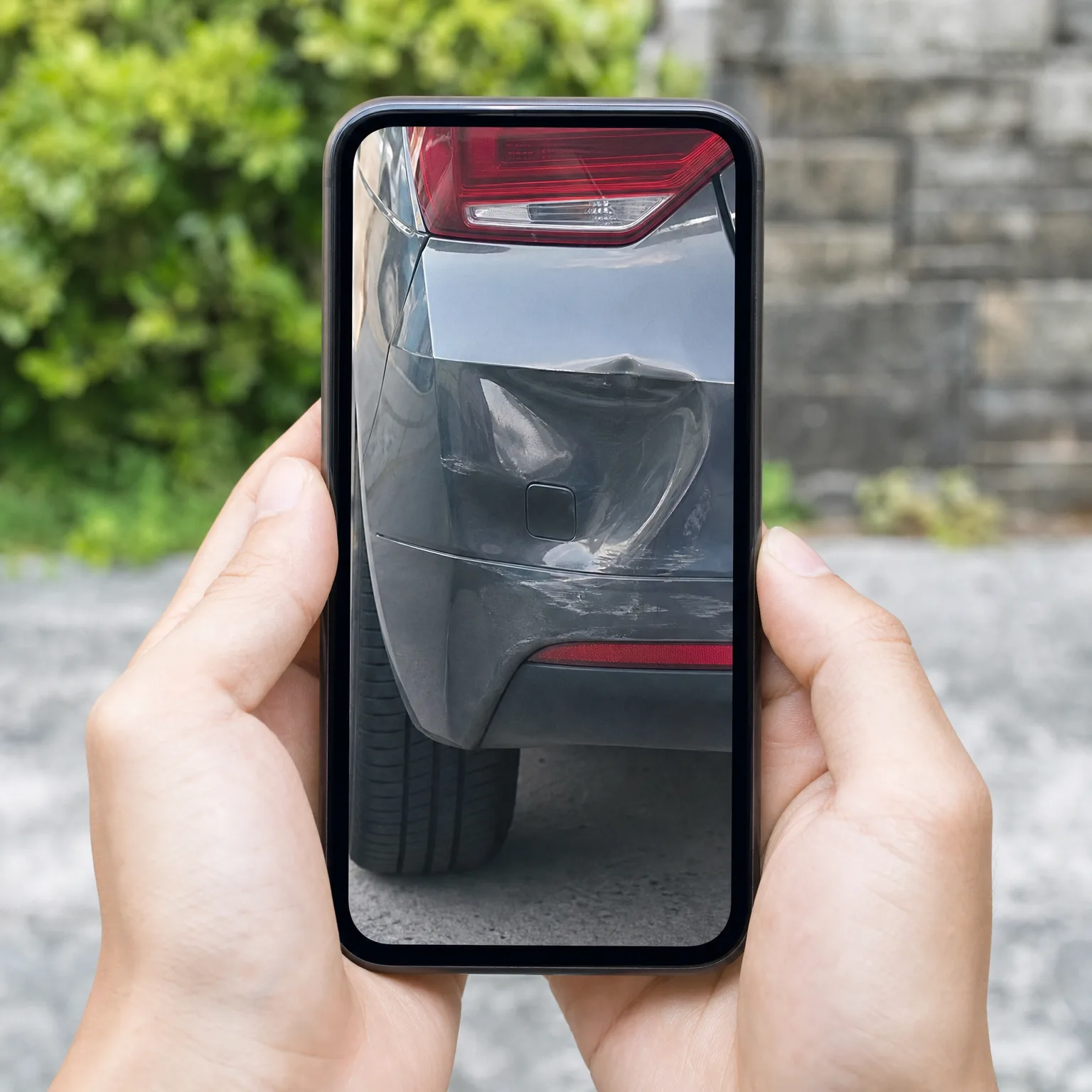
These missteps cost you money or coverage later
- Admitting fault at the scene Saying sorry or guessing why it happened can be used against the claim later. Stick to exchanging information and let the insurer sort out fault.
- Skipping the police report Without an official report, it becomes your grandchild's word against the other driver's. Call the police even for a minor fender bender.
- Agreeing to handle it privately A cash deal at the scene can leave you covering costs that grow later with no insurer involved. Report the accident through proper channels even if damage looks small.
- Waiting to tell the insurer Delaying the call can look like you're hiding something or make the claim harder to process. Report it the same day, even if your grandchild is shaken and you want to wait.
- Downplaying injuries Adrenaline hides pain, and injuries reported days later get questioned. Get checked by a doctor right away even if everyone feels fine.
Will my grandchild's mistake raise my rates even if I did nothing wrong?
Yes, this is likely if your grandchild drives your car regularly and is listed on your policy. Insurers price the policy based on everyone who drives the car, so an at-fault accident involving your grandchild affects your record the same way one involving you would.
How much it affects you depends on your insurer's rules, your grandchild's driving history, and whether this is a first incident. Some insurers forgive a first accident for a long-time customer. Others weigh a young driver's inexperience more heavily regardless of who's at fault.
What doesn't change is this. The accident happened on your policy, under your coverage, so it becomes part of your record whether or not you were in the car. Ask your insurer directly how a claim involving your grandchild would be handled before it happens, not after.
Call your insurer right away or wait and see
If you do
You report the accident the same day, calmly and with facts only. Your insurer opens a claim, guides your grandchild through next steps, and starts documenting everything while details are fresh. You stay in control of what happens next.
If you don't
You wait, hoping it resolves itself or stays small. The other driver files a claim without your side on record. Your insurer finds out late, questions the delay, and your grandchild is left explaining a story that's gotten harder to prove.
Now that you know what to avoid after an accident, compare quotes to see how a grandchild driver affects your coverage.

Why these moments matter more than they seem
An accident report is built in the first hour, mostly through what people say and don't say. Insurers and courts weigh those early statements heavily, because they're made before anyone has had time to think strategically. That's why admitting fault, even out of politeness, carries more weight than people expect.
The police report matters for the same reason. It's a neutral record created before either side has shaped the story to their advantage. Without it, your grandchild's account has no independent backing, and insurers tend to side with whoever has better documentation, not whoever was actually right.
Handling things privately feels like it protects your grandchild from a mark on their record, but it actually removes the protection your policy exists to provide. Insurance only works if the insurer knows what happened. A private deal can unravel if injuries or damage turn out worse than they seemed, and by then there's no claim to fall back on.
Where this varies is in how forgiving your specific insurer is toward a young driver's first accident, and whether your state requires police reports for minor damage. Some insurers distinguish between an honest mistake and a pattern, but only if they have accurate information from the start. Check your policy's accident forgiveness terms and your state's reporting threshold before you need them.

What you do in the first hour decides whether this stays small or becomes a lasting mark on your record.