Is It Worth Reporting an Accident to Insurance
Report it when the damage or risk is bigger than what a rate increase would cost you over the next few years.
Free to compare
A grandchild backs into a parked car at the grocery store
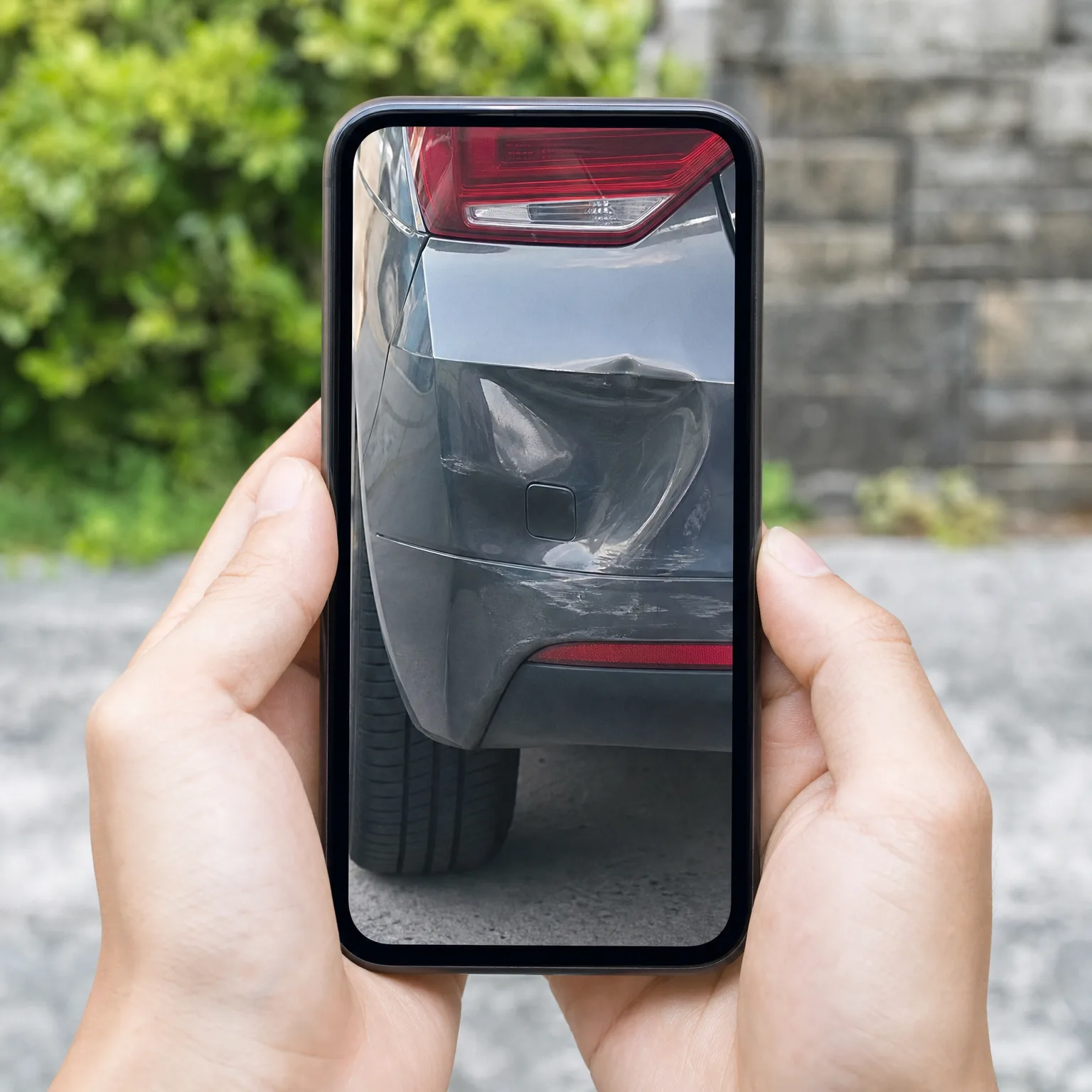
Say your granddaughter is driving your car for the summer and backs into a parked car in a lot. Nobody's hurt, but the other car's bumper is cracked and the owner wants it fixed. Your granddaughter wants to just pay the person directly and keep this off the books entirely.
That can work if the cost is small and the other driver agrees in writing, but it has risks. If the damage turns out to be worse than it looked, or the other owner changes their mind and goes to their own insurer later, you could end up facing a claim you never reported and lose the chance to tell your side first. In a case like this, many grandparents call their agent, describe what happened, and ask whether it's better to pay out of pocket and avoid a claim or let the insurer handle it. The agent can usually tell you, based on the estimated damage, which path costs less over time.
Will my rates go up if my grandchild caused the accident?
Often yes, if your grandchild is listed on your policy or was driving your insured car, because the claim attaches to your policy regardless of who was behind the wheel. The insurer looks at fault, the cost of the claim, and your history when deciding how much your rate moves, so a small no-fault claim behaves differently than a major at-fault one.
How much it moves, and for how long, varies by insurer and by state, so ask your agent directly what this specific claim would do to your renewal. Some insurers forgive a first claim or a minor one. Others don't distinguish much. You won't know your real exposure until you ask, so don't assume the worst or the best before you call.

Deciding whether to call your insurer about the accident
If you do
Your insurer opens a claim, assigns an adjuster, and starts covering repairs or medical costs per your policy terms. You get a record that protects you if the other driver sues later or the damage turns out worse than expected. Your rate may rise at renewal, but you're covered no matter what happens next.
If you don't
You and the other party handle it privately, which can save money if the damage is minor and everyone keeps their word. But if the other driver later files a claim anyway, or damage costs climb, you could face it without warning and without your insurer's help defending you.
Once you know whether this accident is worth reporting, compare quotes to see how it actually affects what you'd pay.

What decides whether reporting is worth it
- Size of the damage Small, cheap-to-fix damage is often worth handling privately. Larger damage or anything involving injury should go through your insurer so you're protected if costs grow later.
- Who was at fault If your grandchild was clearly at fault, reporting protects you from a surprise claim later. If the other driver was at fault, your insurer may recover costs from their policy instead of yours.
- Whether anyone was hurt Any injury, even minor, is a reason to report right away. Medical costs can appear days or weeks later and are far harder to handle without your insurer involved.
- Your state's reporting rules Some states require reporting accidents over a certain damage amount or involving injury. Check your state's rule so you're not skipping something required of you.
- What your policy actually covers Ask your agent how this specific accident would be handled under your policy before deciding. They can tell you your real cost either way, not just the general rule.

Does my grandchild need to be listed on my insurance to drive my car?
Usually yes if they drive regularly or live with you, but occasional driving with permission is often covered under most policies without adding them. This depends entirely on your insurer's rules and your state, so call your agent and describe exactly how often your grandchild will be driving. If they're visiting for a summer versus living with you year-round, the answer can be different. Get it in writing so there's no dispute later if something happens.
What happens if my grandchild is in an accident in their parent's car?
Their parents' insurance is typically the primary coverage, since the policy follows the car, not the driver. Your policy would only come into play if there's a gap, like the parents' coverage limits being too low to cover the damage. Check with your grandchild's parents about their coverage amounts before any accident happens, not after. If you're regularly lending your own car too, understand how the two policies would interact, since rules on this vary by insurer.
Can I remove my grandchild from my policy after they stop driving my car?
Yes, once they're no longer living with you or regularly driving your car, you can usually ask your insurer to remove them. This often lowers your premium back down. The timing and proof required, like a new address or their own policy starting, depends on your insurer, so ask what documentation they want. Don't just assume it happens automatically when the summer ends or they move out.