What if My Friend Borrowed My Car and Crashed It
Your car insurance follows the car, so your policy almost always pays first, no matter who was driving it.
Free to compare
Your policy is tied to the car, not to you alone
Car insurance in almost every state covers the vehicle itself, along with anyone you've given permission to drive it. That's why a friend behind the wheel of your car is treated, for insurance purposes, almost like you were driving it yourself. Your policy responds first to pay for damage or injuries, and your friend's own insurance usually only gets involved if the costs go beyond what your policy covers.
This setup exists because insurers need one clear policy to look to after a crash, and the car's policy is the simplest way to sort that out. It also protects other people on the road, since they can be made whole without needing to know whose name was on the driver's license. Permission matters here. If you said yes to the friend driving, even casually, that's generally enough to trigger coverage.
Where it gets more complicated is when the use wasn't something you'd normally allow, like a friend who took the car without asking, or someone using it for a purpose you'd specifically ruled out, such as deliveries or ridesharing. Insurers can treat those situations differently, and some policies exclude certain drivers by name. It's worth checking your own policy for any listed exclusions.
State rules also shape some of the details, like how fault gets decided or how an insurer can recover costs from the other driver afterward. None of that changes the core idea. The car carries the coverage, and you're the one whose policy gets the first call.
What actually happens after the crash
- Your policy pays first Your insurance is the primary coverage since it's attached to the car. File the claim through your insurer, not your friend's, to keep things moving quickly.
- Permission is what matters If you let your friend drive, coverage almost always applies. Be ready to confirm you gave permission, since insurers may ask.
- Your rates may rise A claim on your policy can affect your future rates, even if you weren't driving. Ask your insurer how one claim typically affects renewal pricing.
- Check for named exclusions Some policies exclude specific drivers or uses. Look at your policy documents now, before you need them, so there are no surprises later.
- Your limits are what apply The payout is capped at your policy's limits, not your friend's. If damages exceed that, your friend's own insurance may need to step in.
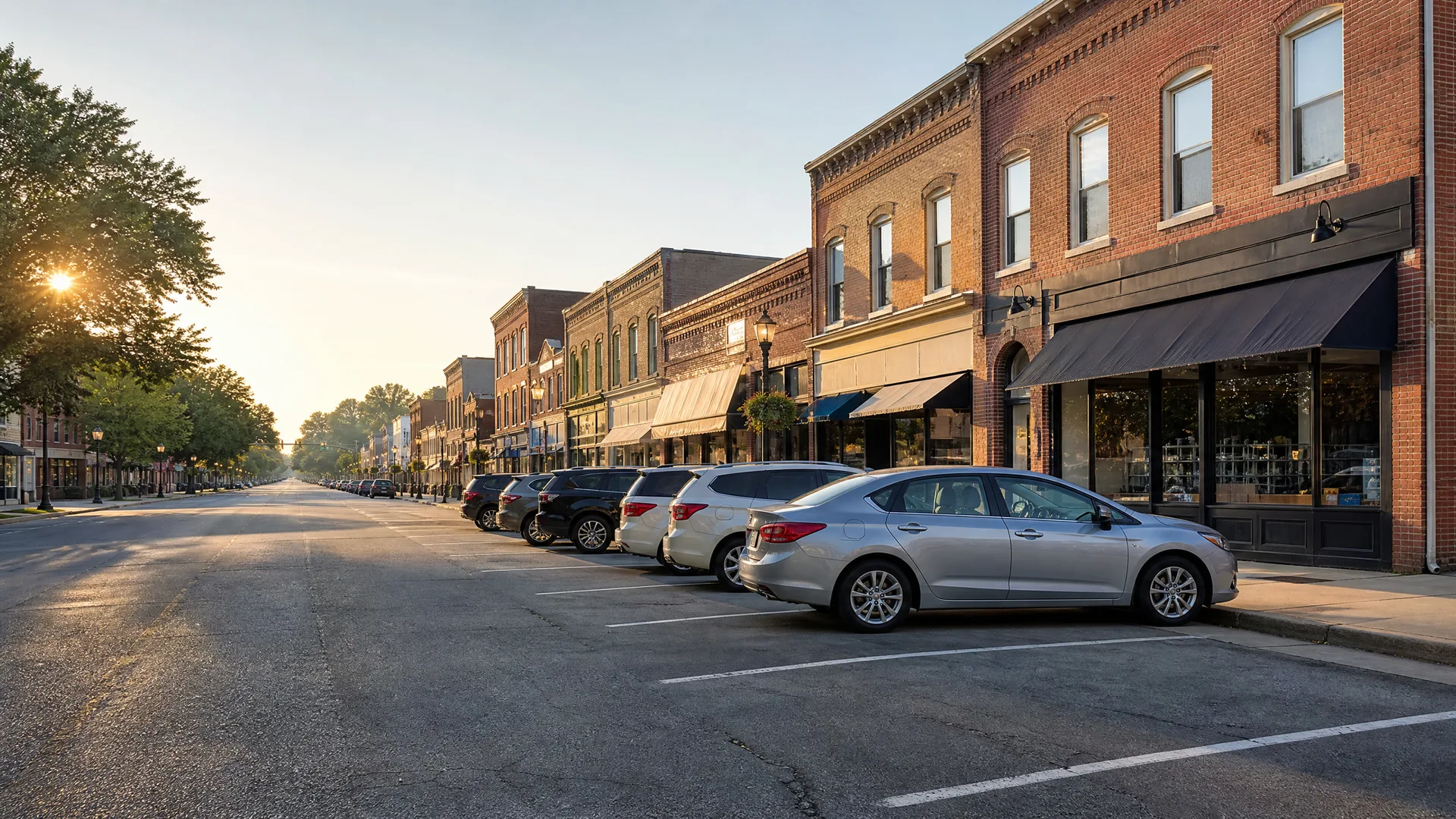
Knowing your policy covers a friend driving, compare quotes to make sure your limits still fit.
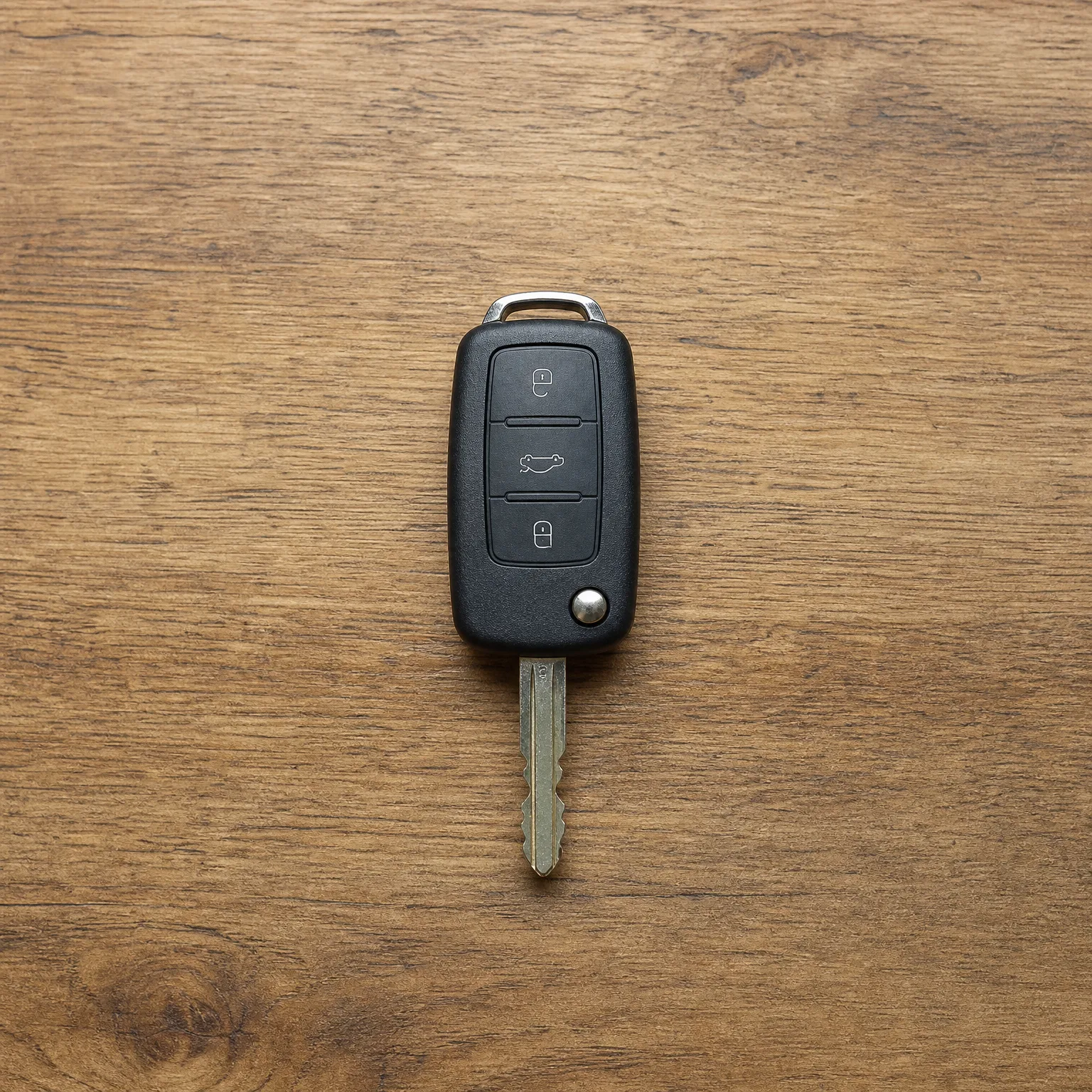
A weekend loan that ended in a fender bender
You let a friend borrow your car for the weekend while their own car was in the shop. On the last day, they backed into a parked car in a lot, causing a few thousand dollars in damage to both vehicles. Your friend called you right away, worried about what would happen next and whether they'd be on the hook for everything themselves.
You called your insurer first, since the car was yours and you'd clearly given permission. Your insurer opened the claim, sent an adjuster to look at both cars, and paid for the repairs on the other driver's vehicle along with your own. Your friend's insurance was never contacted, since the damage stayed within your policy's limits. Your premium went up slightly at renewal, which surprised you, but there was no dispute over who was responsible for paying.
The car you own is the coverage that responds first, so know your limits before you hand over the keys.
Will letting my friend drive raise my insurance rates even without a crash?
No. Simply lending your car doesn't affect your rates by itself. Insurers price your policy based on actual claims and the driving history tied to your household, not on every instance someone else gets behind the wheel.
What changes your rate is a claim being filed, not the act of lending the car. If your friend drives carefully and nothing happens, there's no event for your insurer to respond to, and your next renewal looks the same as it would have anyway. The risk only becomes real the moment there's an accident serious enough to file a claim over. If you're lending your car often, it's worth asking your insurer whether frequent use by a non-household driver changes anything about your coverage, since that answer can vary by insurer.