What Happens if I Crash While Driving a Friends Car
In most cases the car's own insurance pays first, and your own policy can step in to cover what's left.
What actually determines who pays
- The car's policy pays first Insurance generally follows the vehicle, not the driver. Ask your friend what their liability limits are before you borrow the car regularly.
- Your policy can back it up If damages go past the car owner's limits, your own liability coverage may apply. Check your policy's liability limits so you know what's actually behind you.
- Permission matters a lot Coverage usually assumes you had the owner's okay to drive. Always get clear permission, even casual, and avoid driving the car if the owner seems unsure.
- Your rates can still rise A crash can affect your record and future rates even if someone else's policy paid the claim. Ask your own insurer how an at-fault claim like this would be treated.
- State rules on this vary How claims get split between the car's policy and your policy differs by state and insurer. Check your state's rules or ask an agent directly.

The short version
If you crash a friend's car, the car's insurance usually pays first, and your own policy can cover costs beyond that. What matters most is whether you had permission and what both policies' limits are. Before borrowing again, ask your friend their limits and check your own.
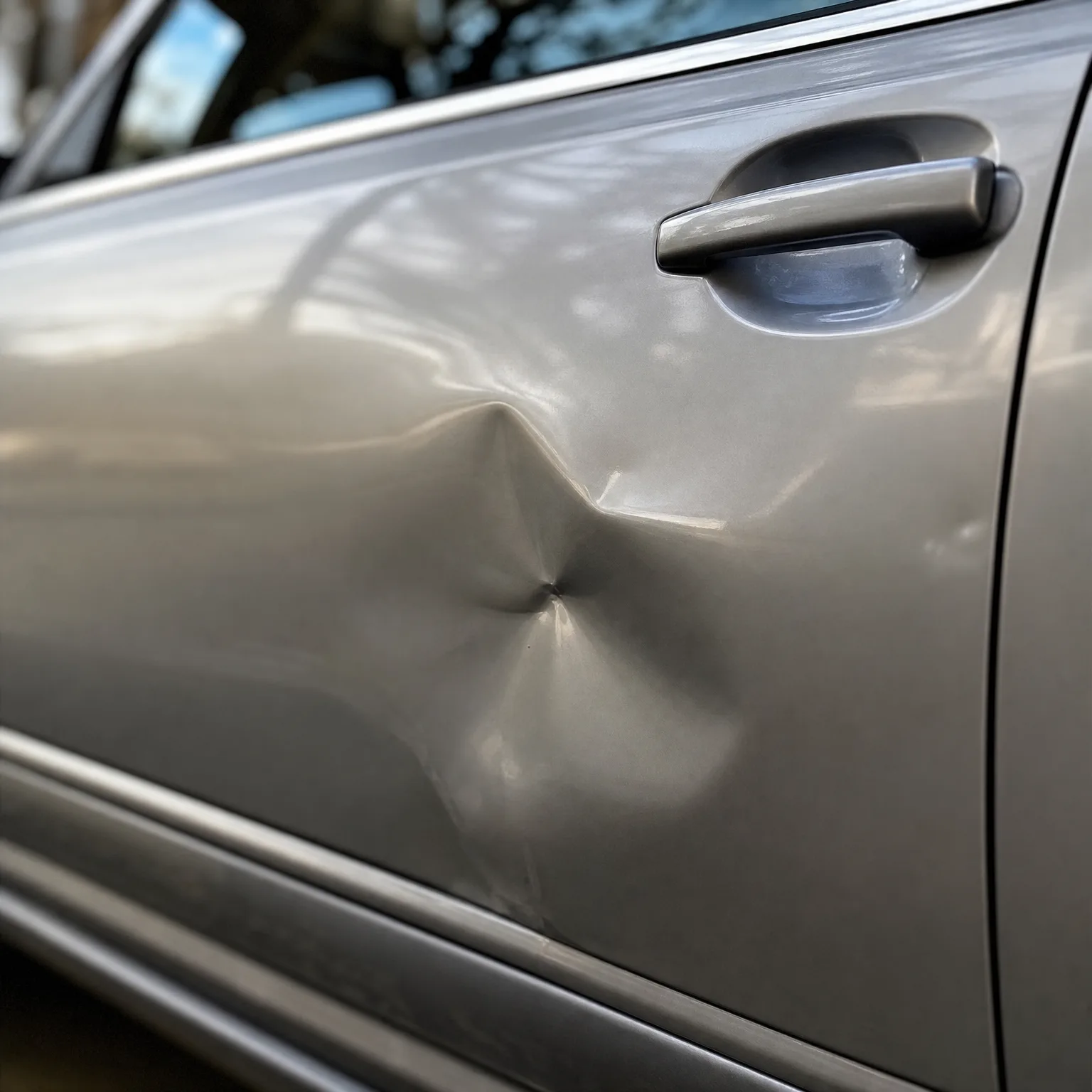
Borrowing a friend's car for the weekend
You borrow your friend's car to run errands while your own is in the shop. On the way back, you misjudge a turn and hit a parked car. Nobody is hurt, but there's real damage to both vehicles. Your friend had given you clear permission earlier that day, which turns out to matter a lot once the claim starts.
Your friend's insurance opens the claim first, since the damage happened in their car. Because you were an authorized driver with permission, their liability coverage pays for the other car's damage up to their policy limits. The repair costs land just under that limit, so your own policy never gets involved financially. Your friend's rates may be affected by the claim, not necessarily yours, though your own insurer still knows an accident happened. You thank your friend, offer to help with any deductible, and make a mental note to ask about coverage limits before borrowing a car again.
Once you know how your coverage backs you up away from home, compare quotes to make sure it's strong enough.

Should you tell your insurer about the crash
If you do
Your insurer has the full picture and can advise you honestly about what to expect. If a claim comes in later from the other driver, there are no surprises. Your insurer can confirm your coverage applies and help you understand any effect on your record or future rates.
If you don't
If the other driver or your friend's insurer later contacts your insurer, inconsistent information can complicate the claim. You lose the chance to ask questions upfront and may be caught off guard by what your policy actually covers in someone else's car.
Will crashing a friend's car raise my own insurance rates?
It depends on whether the claim touches your policy at all. If the car owner's insurance covers the full cost of the accident, your own insurer may never file a claim against your record, and your rates may stay untouched. Your friend's rates are more likely to feel the effect since the claim was filed under their policy.
If costs exceed their limits and your policy pays the remainder, that becomes a claim on your record too, and it can affect your future rates the same way any at-fault accident would. Ask your insurer directly how they treat claims where you weren't the policyholder on the car but were the driver. The answer depends on your insurer's specific rules, so don't assume either way until you check.