What Happens if a Learner Driver Has an Accident
The policy covering the car when the accident happens is the one that pays, no matter whose grandchild was driving.
Free to compare
Why the car's policy, not the driver's age, decides what happens
Insurance follows the vehicle first. When a learner driver crashes, the claim is filed against the policy covering that car, regardless of whose child or grandchild was behind the wheel. If the car is yours and insured under your policy, the claim runs through your coverage even though you weren't driving.
This is why insurers ask who regularly drives a car and want that person listed, even as a learner. A learner who's listed as an occasional or permitted driver is usually covered for accidents, but an unlisted or undisclosed driver can create problems at claim time, including a denied claim or a reduced payout. The insurer isn't trying to catch anyone out, it's pricing risk based on who actually drives the car, and a surprise driver throws that off.
What happens next depends on fault and on the specific policy. If the learner is found at fault, the claim pays for damage and injury as it would for any driver, but it can also raise future premiums or affect a no-claims history tied to that policy. If someone else caused the accident, their insurer typically pays, and the learner driver's record and the car owner's rates are less likely to be affected, though this varies by insurer and by state.
The grandchild's own driving history starts here too. Even as a learner, an at-fault accident can follow them onto their own policy later, especially once they're rated as a primary driver. How long that follows them, and how much it matters, depends on the insurer and the state, so it's worth asking directly rather than assuming.
The short version
The car's policy pays, so if it's your car, your coverage responds even though your grandchild was driving. Make sure the learner is listed as a driver before they get behind the wheel, since an unlisted driver risks a denied claim. Call your insurer and ask how a learner is covered.
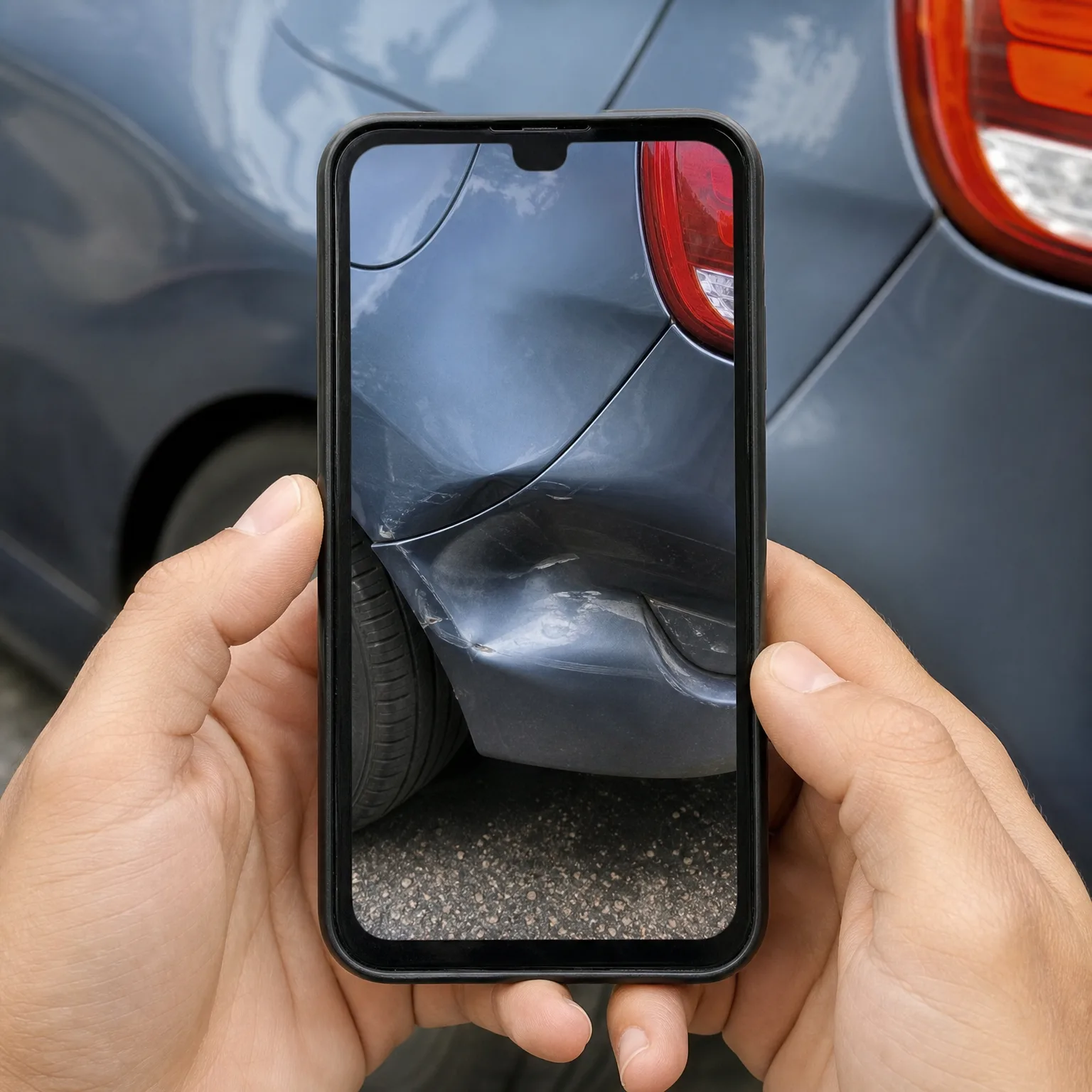
What to check before your grandchild drives your car
- List the learner driver Tell your insurer the grandchild drives your car, even occasionally. An unlisted driver can mean a denied or reduced claim.
- Ask about rate impact Ask directly whether an accident involving the learner raises your premium or affects your claims history. This varies by insurer.
- Confirm learner permit rules Some insurers require a licensed adult in the car or have separate rules for permit holders. Check this before assuming coverage applies.
- Separate fault from coverage Being at fault affects future rates, but coverage still pays for damage and injury either way. Don't confuse the two when deciding.
- Check effect on grandchild Ask whether this accident could affect the grandchild's own insurance later. Insurers and states differ on how long this history matters.
Once you know how your policy treats a learner driver, compare quotes to see what covering them properly actually costs.
Does my car insurance go up if my grandchild crashes while learning to drive?
It can, but only if your policy is the one covering the car and the learner was at fault. The increase depends on your insurer's rules about claims history and whether the learner is listed as a driver. If the other driver was at fault, your rates are less likely to move. Ask your insurer directly how an at-fault claim involving a listed learner affects your specific policy, since this differs by company and state.
Do I need to add my grandchild to my insurance just for summer visits?
Usually yes, if they'll be driving your car at all during that time, even occasionally. Insurers typically want anyone who regularly or even occasionally drives the car disclosed, not just permanent residents. Some insurers offer short-term or occasional-driver options for exactly this situation. Call and describe the actual arrangement, how often and how long they'll drive, because the answer depends on your insurer's specific rules for temporary or visiting drivers.
Who is responsible for a learner driver accident, the driver or the car owner?
Financially, the car's policy responds first, which often means the owner's insurance is the one that pays regardless of who was driving. Legally, responsibility for the accident itself still rests with whoever was at fault, which can be the learner or the other driver. Whether the owner faces any separate liability beyond the insurance claim depends on state law, so check what your state says about owner liability for permitted drivers.
It's whoever's policy covers the car that responds first, so settle that before your grandchild drives it.