Does the Person Who Caused the Accident Have to Pay
In most cases your insurance pays first because the car is insured under your policy, regardless of who was driving.
Free to compare
Your policy follows the car, not just you
Car insurance is usually attached to the vehicle first and the driver second. If your grandchild is driving your car with your permission, your policy is the one that responds to a claim, even though they were behind the wheel. This surprises a lot of grandparents who assume the driver's own coverage, or their parents' policy, would step in first.
That's not usually how it works. Your grandchild's parents' insurance, if they have one, typically only gets involved if the accident happened in their car, not yours. Permission matters a lot here. If you've allowed your grandchild to drive your car regularly or even just once, insurers generally treat that as covered use, and your policy pays for the damage and any injuries, up to your limits.
Where it gets more complicated is when your grandchild lives with you. Many insurers expect you to list anyone in your household who drives regularly, including a grandchild who's moved in or is staying for the summer. If they're not listed and they're driving often, a claim could be reduced or denied, which is a very different outcome than a one-time guest driver causing an accident.
Fault still matters for who pays beyond your policy limits, and for what happens afterward. If your grandchild is found at fault, the other driver's damages come out of your liability coverage first. If the damage is severe enough to exceed your limits, your grandchild and potentially their parents could be personally responsible for the rest. This is state-dependent in some ways, so check how your state handles excess liability and whether a minor's parents share legal responsibility for their actions.
A summer visit that turned into a fender bender
Say your grandchild is staying with you for the summer and asks to borrow your car to meet friends. You say yes, same as you have a few times before. On the way back, they rear-end someone at a stoplight. Nobody is hurt, but both cars need repairs.
Because you gave permission and the car is yours, your insurance is the one that handles the claim. The other driver's repair costs come out of your liability coverage, and if your car needs fixing too, that comes from your collision coverage if you carry it. Your grandchild isn't billed directly by the insurer, but the accident does get tied to your policy and could affect your rates at renewal. If your grandchild ends up staying with you for extended periods going forward, this is also the moment to call your insurer and ask whether they need to be added to your policy as a household driver, so a future claim doesn't get complicated by questions about who was supposed to be listed.
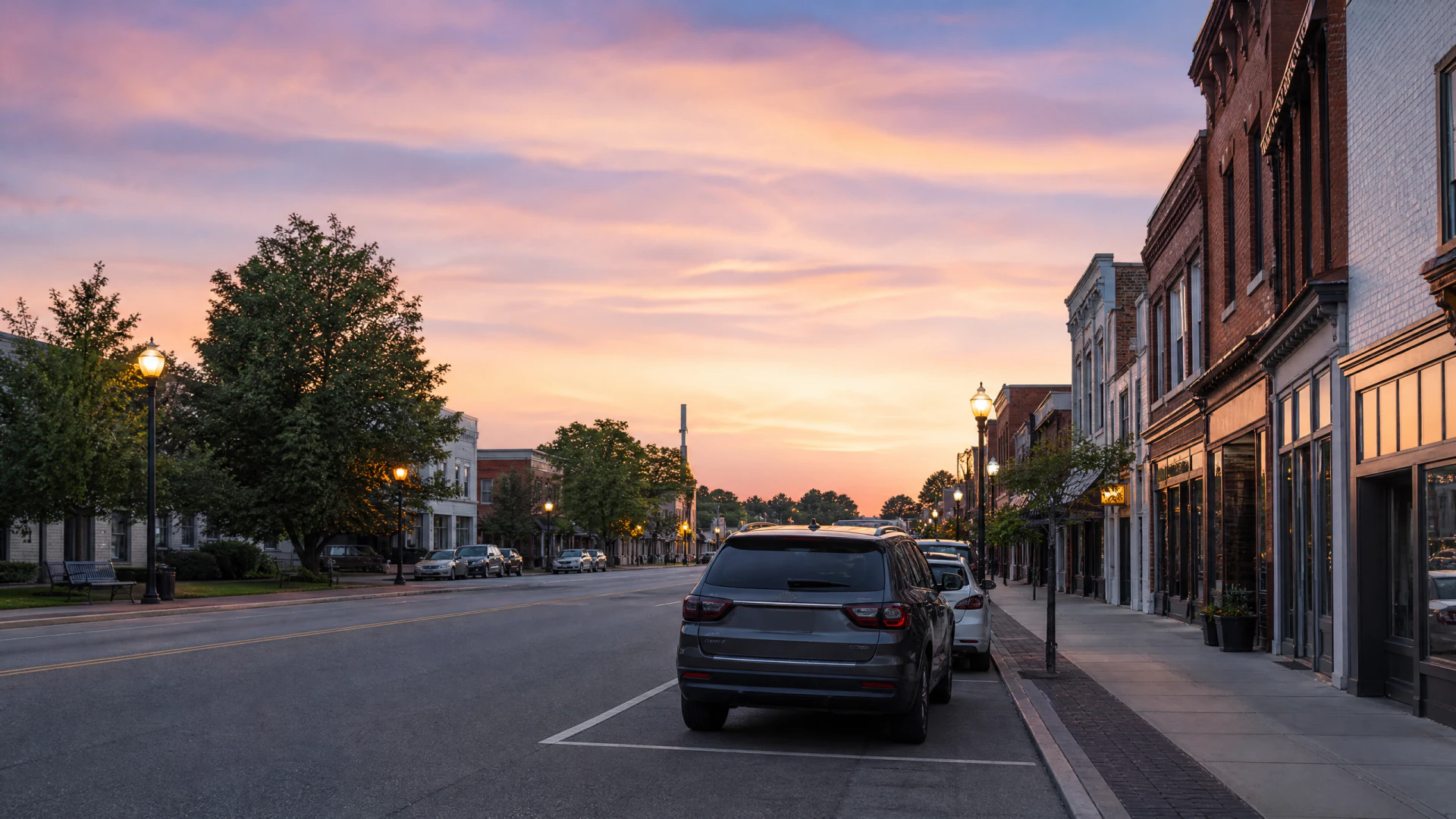
Once you know whose policy responds and what's at risk, compare quotes that reflect a grandchild driving your car.
Will my rates go up if my grandchild causes an accident in my car?
Probably, if the claim is paid out and your grandchild is found at fault. Insurers generally look at accidents tied to your policy when they calculate renewal rates, regardless of who was driving, because the claim came out of your coverage.
How much your rate changes depends on your insurer, your state, and your overall history with that company. Some insurers are more forgiving of a first accident, especially if you've been a long-time customer. Others apply the increase more strictly. If you're adding your grandchild as a regular or listed driver, expect that to affect your premium separately, since young drivers typically cost more to insure than someone with decades of experience like you.
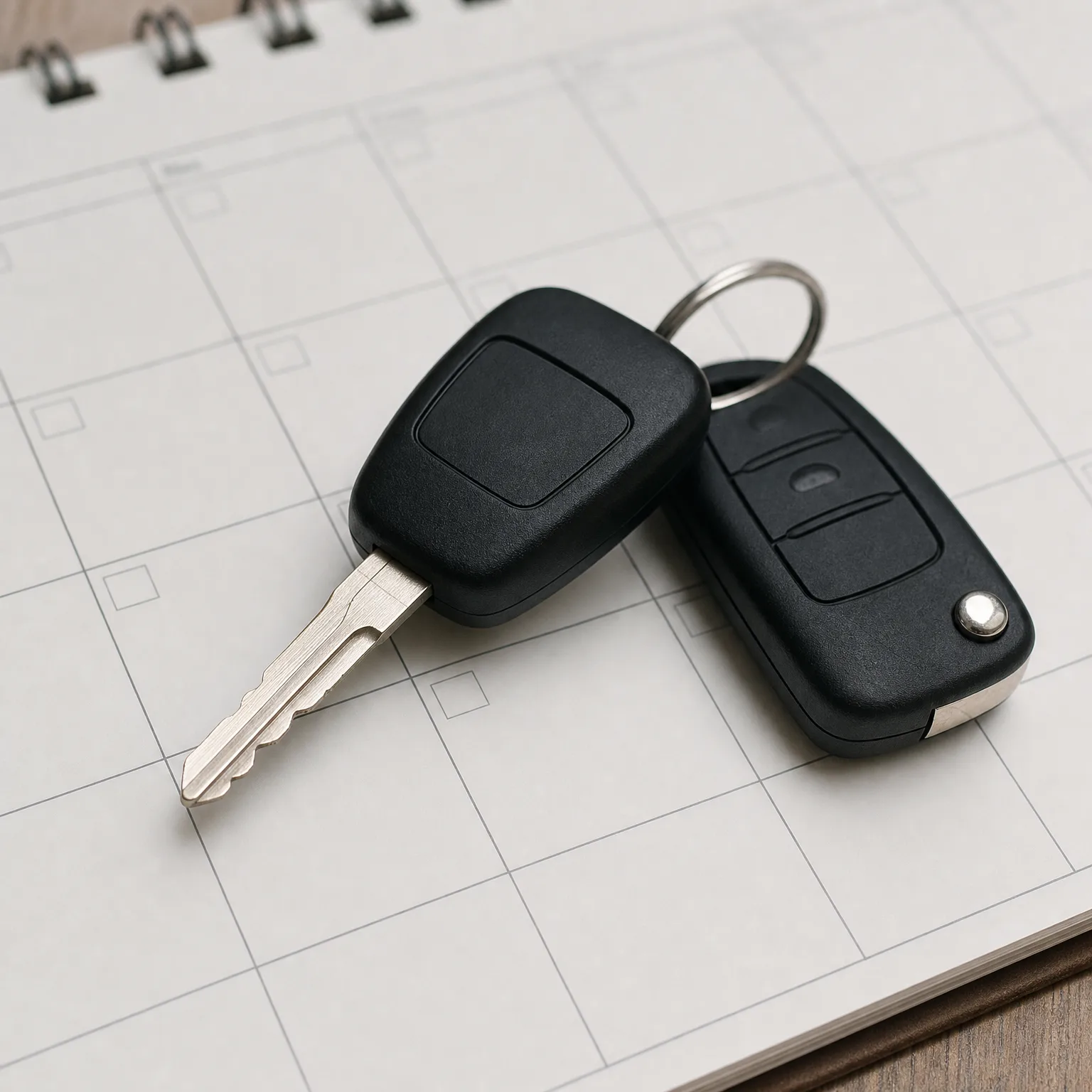
What decides who pays and how much it affects you
- Permission to drive If you let your grandchild drive your car, even informally, your policy treats it as covered use. Make sure you're comfortable with that before handing over the keys.
- Household vs. occasional driver A grandchild living with you may need to be listed on your policy, while an occasional visitor usually doesn't. Call your insurer to ask where the line is drawn.
- Fault and your liability limits If your grandchild is at fault, your liability coverage pays the other driver first. Check your limits and consider raising them if a young driver will be using the car often.
- Your rates after a claim An at-fault accident tied to your policy can raise your premium at renewal. Ask your insurer how they handle a first accident and whether your rate is protected in any way.
- Your grandchild's own record The accident may also follow your grandchild if they get their own policy later. Ask whether it's reported under your policy, theirs, or both, since this affects their future rates.
Does my grandchild need their own insurance if they drive my car sometimes?
Not necessarily, if they're an occasional driver with your permission, since your policy generally covers that use. But if they drive often, live with you, or use the car as their primary vehicle, most insurers expect them listed on your policy or carrying their own. Ask your insurer directly, since the threshold for 'occasional' versus 'regular' varies by company, and getting it wrong can affect a claim later.
What happens if my grandchild isn't listed on my policy and causes an accident?
It depends on how often they actually drive your car and what your insurer finds out. If they're a true occasional guest driver, many policies still cover the claim. But if they've been driving regularly and weren't disclosed, the insurer may investigate and could reduce or deny the claim, treating it as a misrepresentation. Check your policy's language on household members and permitted drivers, and when in doubt, call and ask.
Can my grandchild's parents' insurance cover an accident in my car?
Generally no, because insurance usually follows the vehicle, not the driver's family. Their parents' policy would typically only respond if the accident happened in a car they own or insure. There are some secondary coverage situations in certain states or policies, so it's worth asking your insurer and your grandchild's parents' insurer how claims would be coordinated if it ever happened.