What Do Learner Drivers Struggle With Most
Learner drivers struggle most with judgment under pressure, not the mechanics of driving, and that's exactly what insurers price for.
Free to compare
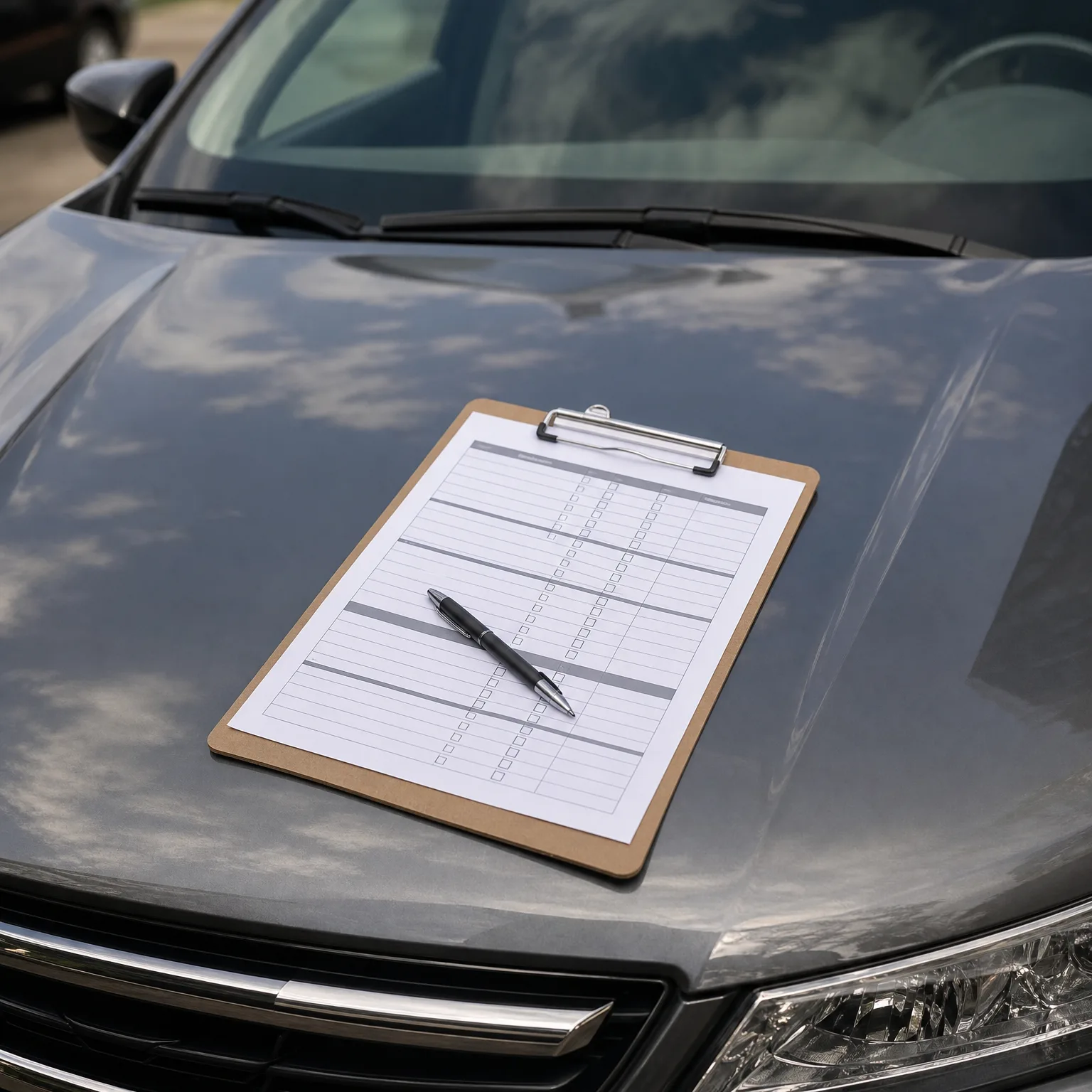
The real struggles behind every learner's early mistakes
- Misjudging speed and distance New drivers underestimate how fast things close in and how long stopping takes. Expect more cautious, slower driving at first, and don't read it as weakness.
- Handling multiple hazards A learner can manage one thing at a time but gets overwhelmed when several happen together, like a merge plus a pedestrian. Short, varied practice drives build this faster than long highway trips.
- Staying calm after a scare A near miss right after getting licensed can shake confidence for weeks. Talk through it with them instead of letting it go unspoken, since a rattled driver makes more errors.
- Reading other drivers Experienced drivers predict what others will do before they signal it. This only comes with time, so expect slower, more tentative decisions in traffic for a while.
- Night and weather driving Reduced visibility and wet roads expose the same gaps all at once. Limit these conditions for the grandchild early on if your policy or the family can arrange it.

The short version
Learner drivers struggle most with judgment, not mechanics, meaning reading hazards, predicting other drivers, and staying calm under pressure. This is why insurers price young drivers higher regardless of personality. The next step is finding out how your policy or the parents' policy treats this grandchild before they drive regularly, so you know exactly what's covered.
Does this mean my grandchild is more likely to cause an accident on my policy?
Not necessarily, but insurers treat new drivers as higher risk as a category, separate from how careful any one person actually is. That's a statistical view of inexperience, not a judgment of your grandchild specifically.
What matters for you is less about their driving skill and more about how your insurer classifies them. A grandchild who lives with you, drives your car regularly, or is licensed at your address may need to be added to your policy regardless of how well they drive. Ask your insurer directly how they define a regular driver versus an occasional one, since this varies by company and sometimes by state, and it decides whether their inexperience becomes your risk at all.
Now you know what they struggle with, so compare quotes to see the real cost of covering them.
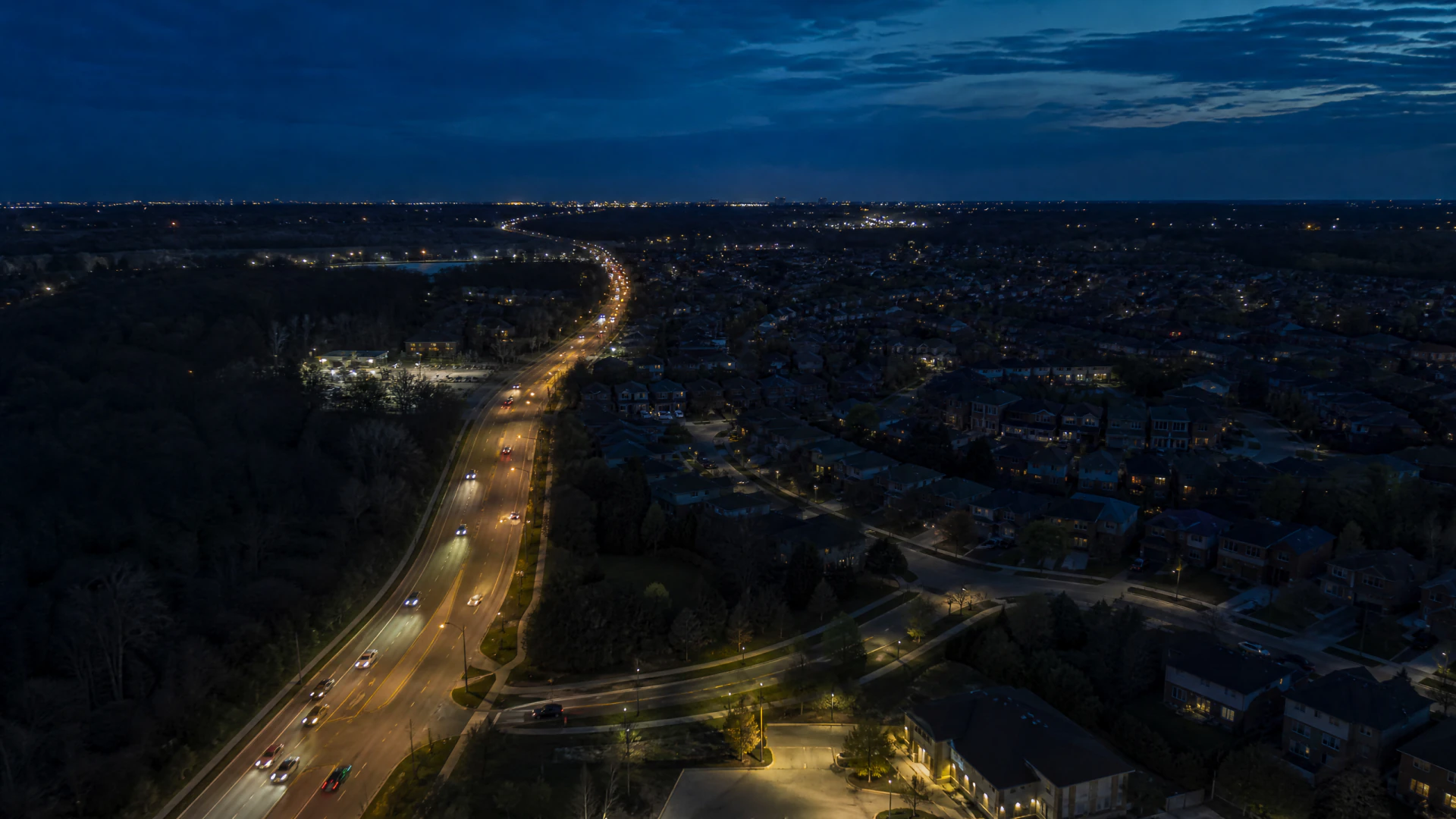
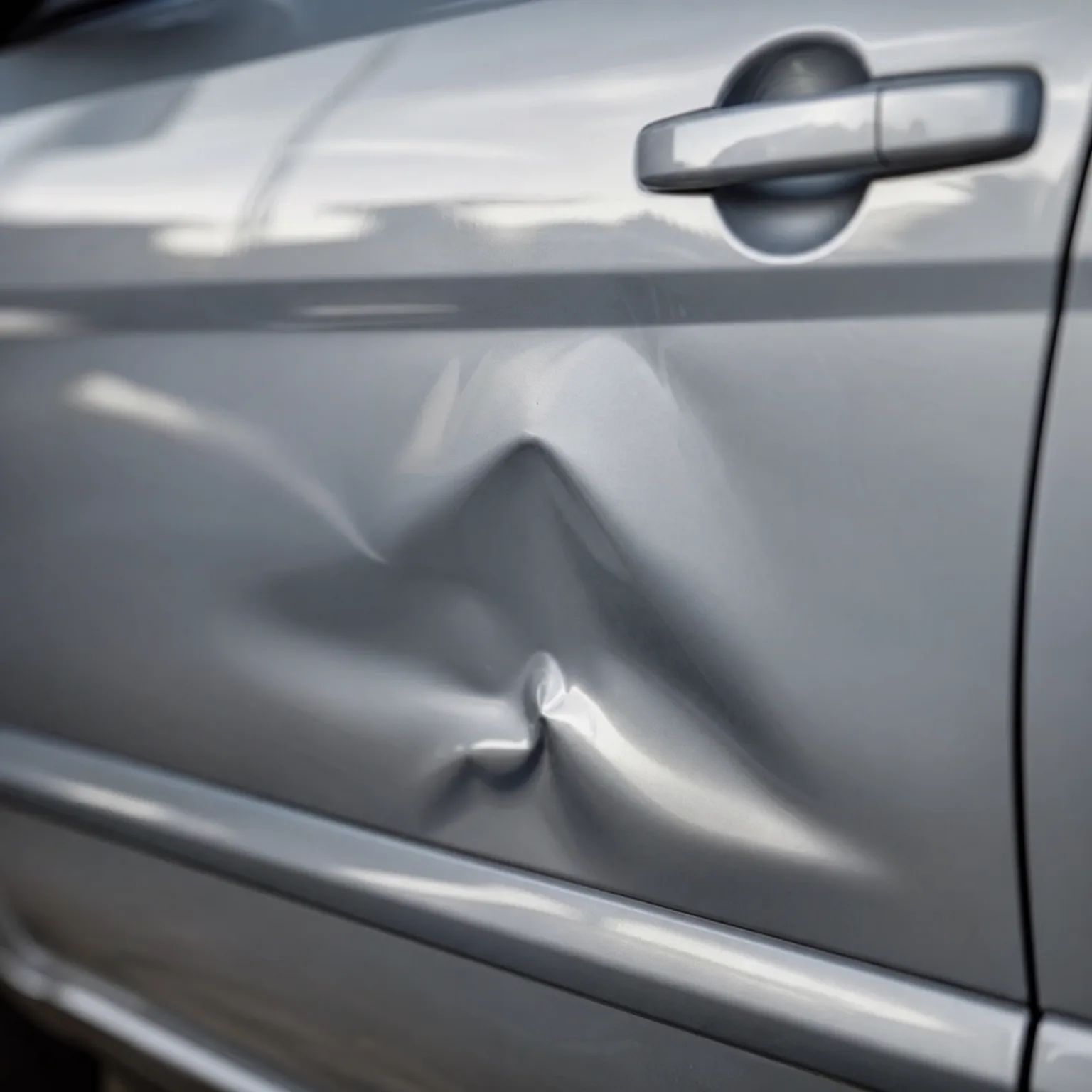
A grandmother learns the gap wasn't about driving skill
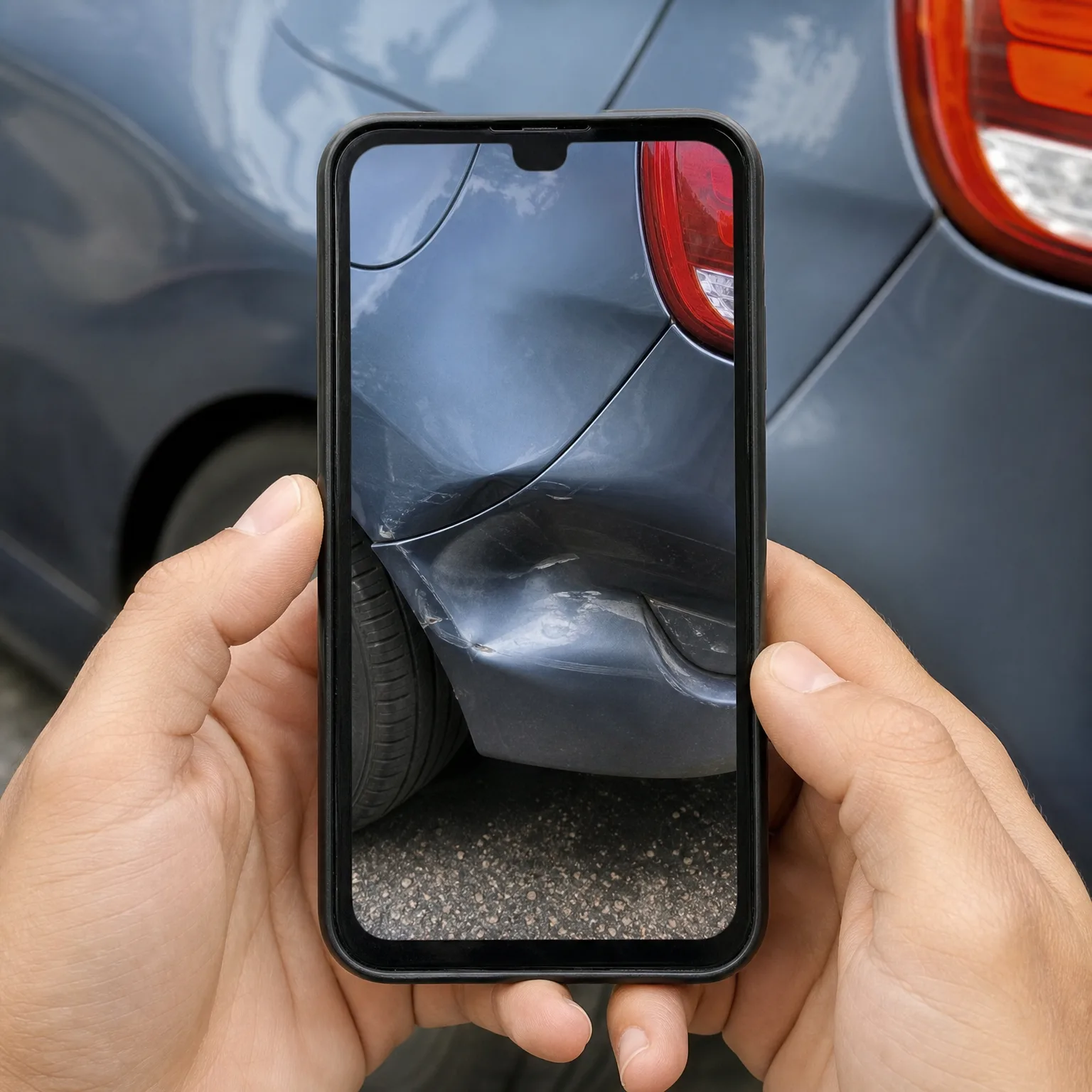
Her granddaughter had her license for a few months and seemed like a careful, confident driver. But on a rainy evening she misjudged the distance to a stopped car ahead and rear-ended it at low speed. No one was hurt, and the damage was minor.
When the grandmother talked it through with her afterward, it became clear the issue wasn't recklessness. Her granddaughter simply hadn't yet built the instinct for how much longer stopping takes on wet roads, something that only comes with repeated exposure. The grandmother started riding along on a few evening and rainy drives before letting her go alone in those conditions again, and she also called her insurer to confirm exactly how the claim would be handled given her granddaughter's status on the policy. The accident ended up costing less in money than it did in reminding her how specific these gaps are, and how much a short, deliberate conversation and a little supervised practice could have closed one of them early.
The gap isn't attitude, it's experience, and that's what coverage and practice both have to work around.