How to Handle a Car Accident Without Going Through Insurance
You can handle a minor accident without filing a claim, but only if both sides agree in writing and the damage is truly small.
Free to compare
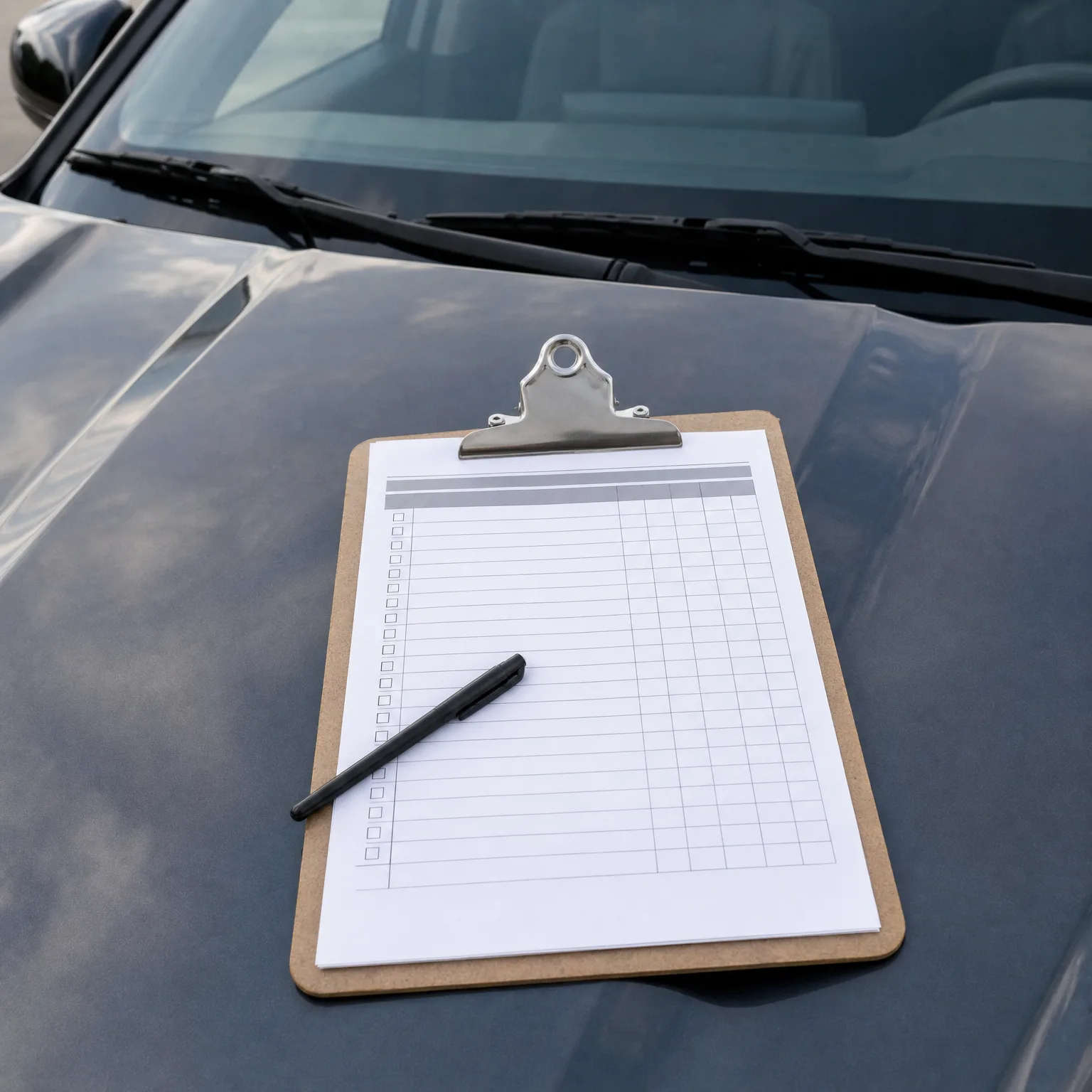
What to check before you skip the insurance route
- Get everything in writing A verbal promise to pay isn't enough if the other driver changes their mind later. Write down the agreement, both names, and the amount, and have both people sign it.
- Check the damage carefully first What looks like a scratch can hide frame or sensor damage on newer cars. Get an estimate from a shop before agreeing to any dollar amount.
- Know your state's reporting rule Some states require police or DMV reports once damage or injury passes a certain point, no matter what the drivers agree to privately. Look up your state's threshold before deciding to handle it quietly.
- Think about the driving record Keeping it off insurance means it won't affect anyone's rates or show up as a claim history. That's often the real reason families choose this path.
- Decide who pays upfront If the grandchild caused it, decide whether you, the grandchild, or their parents are covering the cost. Settle this before money changes hands, not after.
A fender bender in a parking lot
Your grandson backs your car into another car at the grocery store. Nobody's hurt, the other driver's bumper has a small dent, and your grandson panics, worried it'll wreck his record before he's even had a license a year. The other driver seems reasonable and doesn't want the hassle of a claim either.
You exchange information anyway, write down what happened, and your grandson gets two repair estimates the next day. The lower one comes in modest enough that paying out of pocket makes sense for everyone. You draft a short written agreement, both drivers sign it, and your grandson pays from his own savings since he was driving. No claim gets filed, nothing shows up on your policy, and the whole thing is closed within a week. The only reason it worked was that the damage was small enough to verify quickly and both people wanted the same outcome.
What if the other driver later decides to file a claim anyway?
They can, even after agreeing to handle it privately. A handshake or even a signed note doesn't legally stop someone from filing later, especially if they discover more damage or change their mind about the cost.
This is the real risk of going outside insurance. If that happens, you're back to a normal claims process, except now there's also a private payment and a written agreement in the mix, which can complicate things. Keep records of what was paid and when, so if a claim does come later, you can show the matter was already settled in good faith.
Knowing when to settle privately and when to let insurance handle it, compare quotes to fit how your grandchild drives.
Why this only works in narrow situations
Car insurance exists to spread large, unpredictable costs across many people. When damage is small and both drivers agree on the facts, that machinery is overkill, and paying directly is often faster and simpler for everyone involved.
The moment injury, disagreement, or real uncertainty about fault enters the picture, the reasoning flips. Insurance companies carry legal weight that two private individuals don't. If the other driver later claims neck pain or additional damage, you have no adjuster, no claims process, and no legal backing to fall back on. That's a risk you're taking on personally when you skip the claim.
There's also a reason families lean this way with a grandchild specifically. A claim involving a young driver, even a small one, can follow them for years on their own future policy, not just yours. Avoiding that paper trail is often worth more than the repair cost itself, which is why private settlement appeals to grandparents more than it might to other drivers.
Where this breaks down is when people assume a private deal is airtight. It isn't a legal release unless it's written that way, and even then, some states limit what you can waive informally. If you're unsure whether your agreement actually protects you, that's worth checking before you hand over any money.
A private settlement only protects you if it's documented like a real agreement, not just agreed to out loud.
Will my grandchild's license get flagged if we don't report a small accident?
No, as long as the accident falls under your state's reporting threshold for damage or injury. Below that line, there's no legal requirement to report it anywhere, so nothing reaches the DMV or affects their license. Check your state's specific threshold, since it varies, and don't assume a minor-looking accident automatically qualifies.
Does my policy still cover my grandchild if we handle a future accident privately?
Yes, coverage exists whether or not you end up filing a claim for a specific incident. Choosing not to file doesn't change whether your grandchild was covered when the accident happened. The decision to go private is about whether you use that coverage, not whether it applies.
Can handling it privately still raise my insurance rates later?
Only if it resurfaces as a claim, which can happen if the other driver changes their mind. As long as no claim is ever filed, your policy has nothing to reflect and your rates stay based on your actual driving history. The risk isn't the private settlement itself, it's that it may not stay private.