Can a Driving Examiner Stop a Test
Yes, an examiner can end a test early if they judge the driving unsafe, and it doesn't carry the same weight as a crash or a ticket.
Free to compare
The examiner is protecting safety, not scoring a failure early
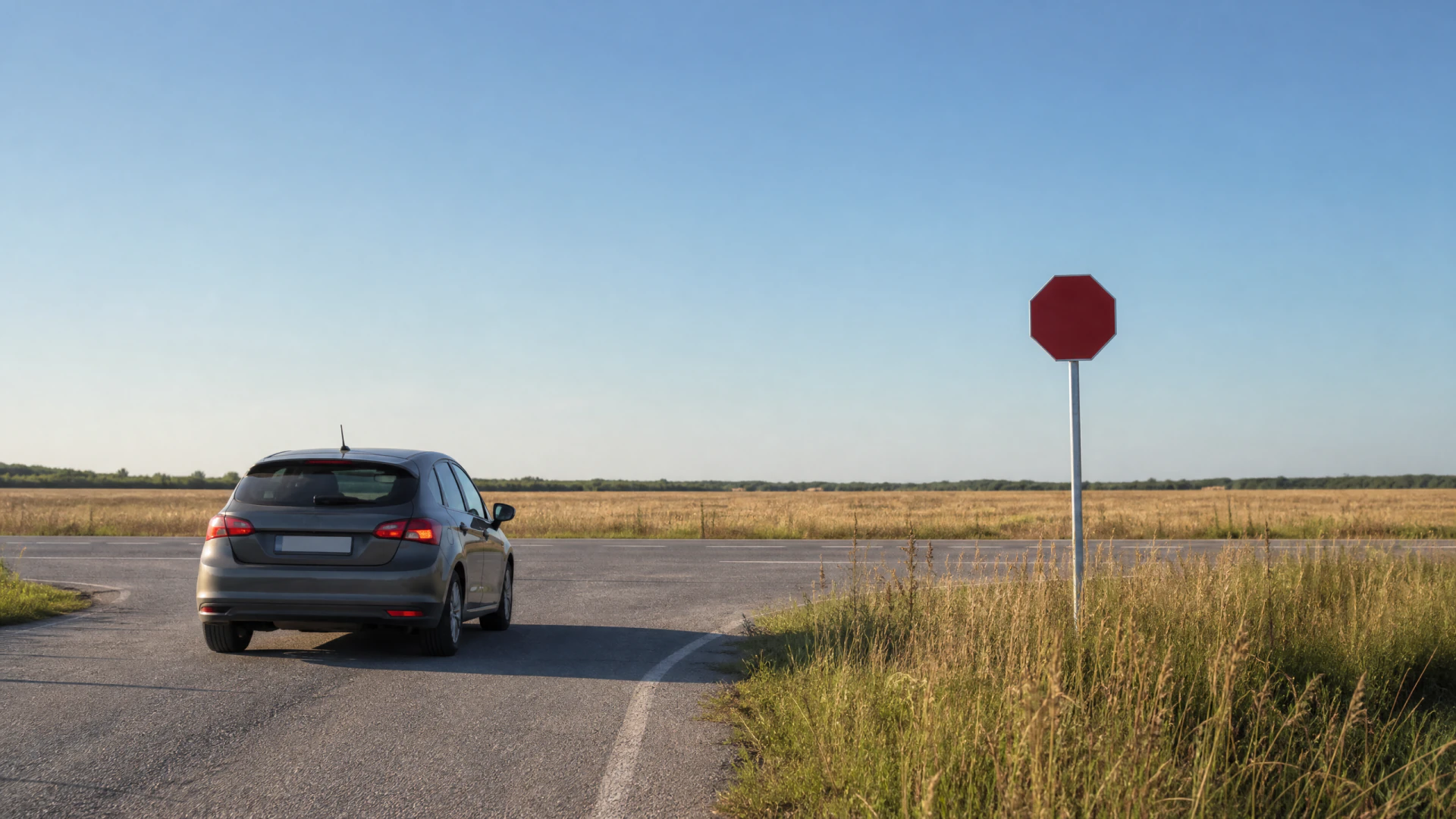
An examiner stops a test when they believe continuing puts people at risk. That could mean taking control of the wheel, directing the driver to pull over, or simply ending the route early and heading back. It's a safety call in the moment, not a formal judgment about the driver's long-term ability.
This matters for insurance because a stopped test isn't a reportable event. It's not a citation, not a crash, and not something that goes on a driving record. Insurers ask about accidents, violations, and license history, not about how a test went. So a stopped test by itself doesn't raise anyone's rates or change how an insurer views the driver.
What does matter is the outcome that follows. If the test ends because of something that also resulted in a citation, like running a red light, that citation is what counts, not the stopped test itself. If no citation was issued, there's nothing for an insurer to see or ask about. The test result itself, pass or fail, also isn't something insurers track or request.
Where this can vary is in how a particular testing agency documents or reports a stopped test, since procedures differ by state. If you or your grandchild are unsure what happened or whether anything was reported beyond the test itself, the testing office that administered it can clarify what, if anything, goes on record.
The short version
An examiner can stop a test for safety reasons, but that alone isn't reported to insurers and won't affect anyone's rates. What matters is whether the stop involved an actual citation or crash. If your grandchild's test was stopped, ask the testing office what, if anything, was recorded, then move forward with licensing as planned.
Does a failed or stopped test affect getting insurance later?
No. Insurers care about whether someone has a valid license and what their driving record shows after they're licensed, not about how any individual test attempt went. A stopped or failed test isn't part of that record.
What actually shapes a new driver's insurance is age, the type of car they'll drive, and where they live and garage the vehicle. Once your grandchild is licensed, insurers look forward, not backward at test attempts. A rocky test day, even one that ended early, has no bearing on the policy you'll eventually set up for them.
Once you know a stopped test won't affect coverage, you can compare quotes for your grandchild with confidence.
Should you ask what happened if the test was stopped
If you do
You'll know exactly why it happened and whether a citation was involved. That tells you whether there's anything to disclose later or whether it's simply a test to retake. You can reassure your grandchild and plan the next attempt without guessing what went wrong or worrying needlessly about insurance.
If you don't
You're left assuming the worst, which is usually unnecessary. Your grandchild might believe the stopped test will follow them onto a record somewhere, when in most cases it won't. Without asking, you also can't rule out that something more serious, like a citation, happened during the test.
A stopped test for a grandchild learning on your car
Your grandson took his road test in the car you'd been letting him practice in all summer. Partway through, the examiner asked him to pull over and ended the test, saying the merge onto the highway wasn't safe to continue. He came home upset, worried this would follow him and somehow affect your insurance before he even had a license.
You called the testing office to ask what was recorded. They confirmed no citation was issued, it was simply an early stop and a failed attempt, nothing more. He rescheduled, practiced merging with you a few more times, and passed on the next try. When you added him to your policy afterward, nothing about the stopped test came up, because there was nothing for the insurer to ask about.