What Happens if an Excluded Driver Gets into an Accident
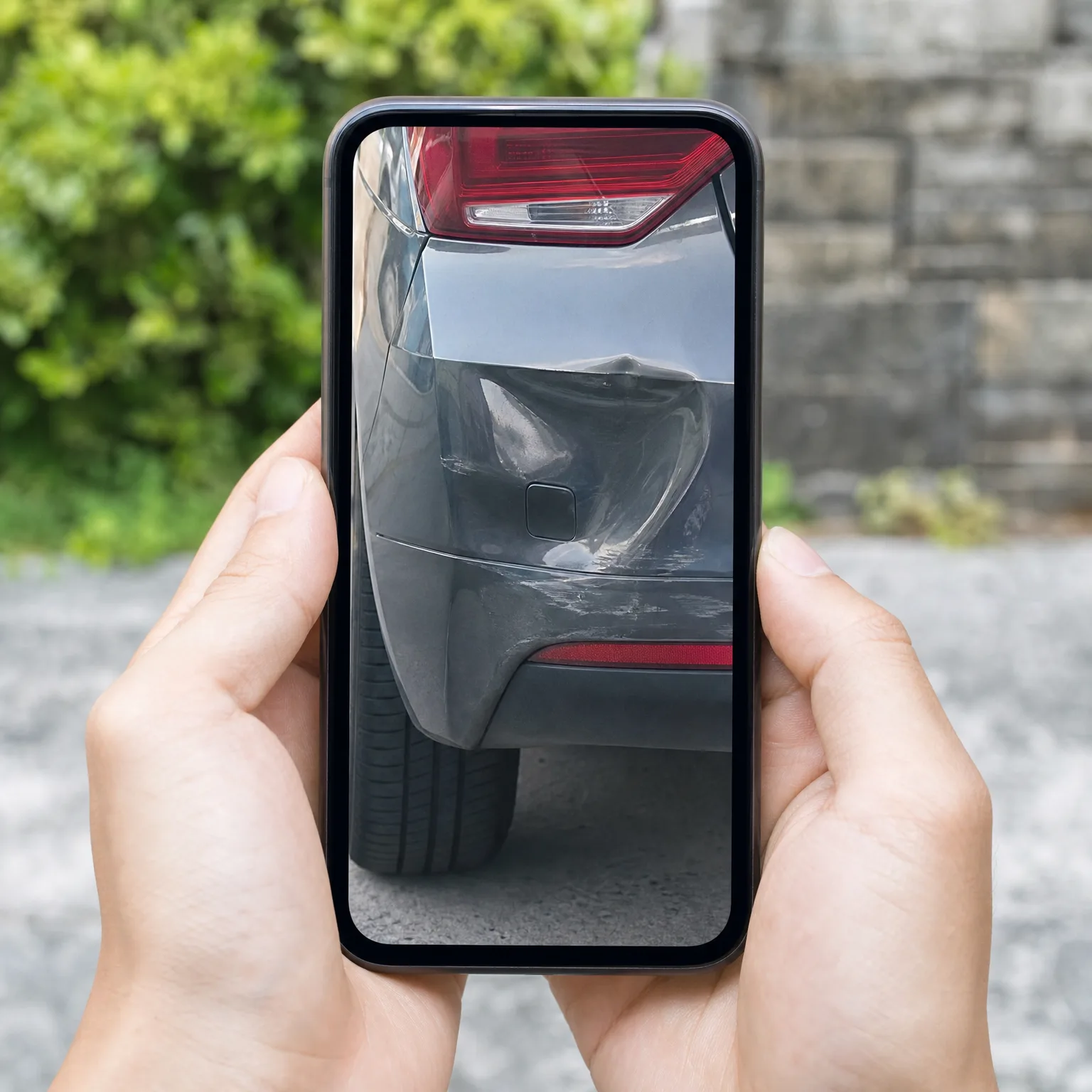
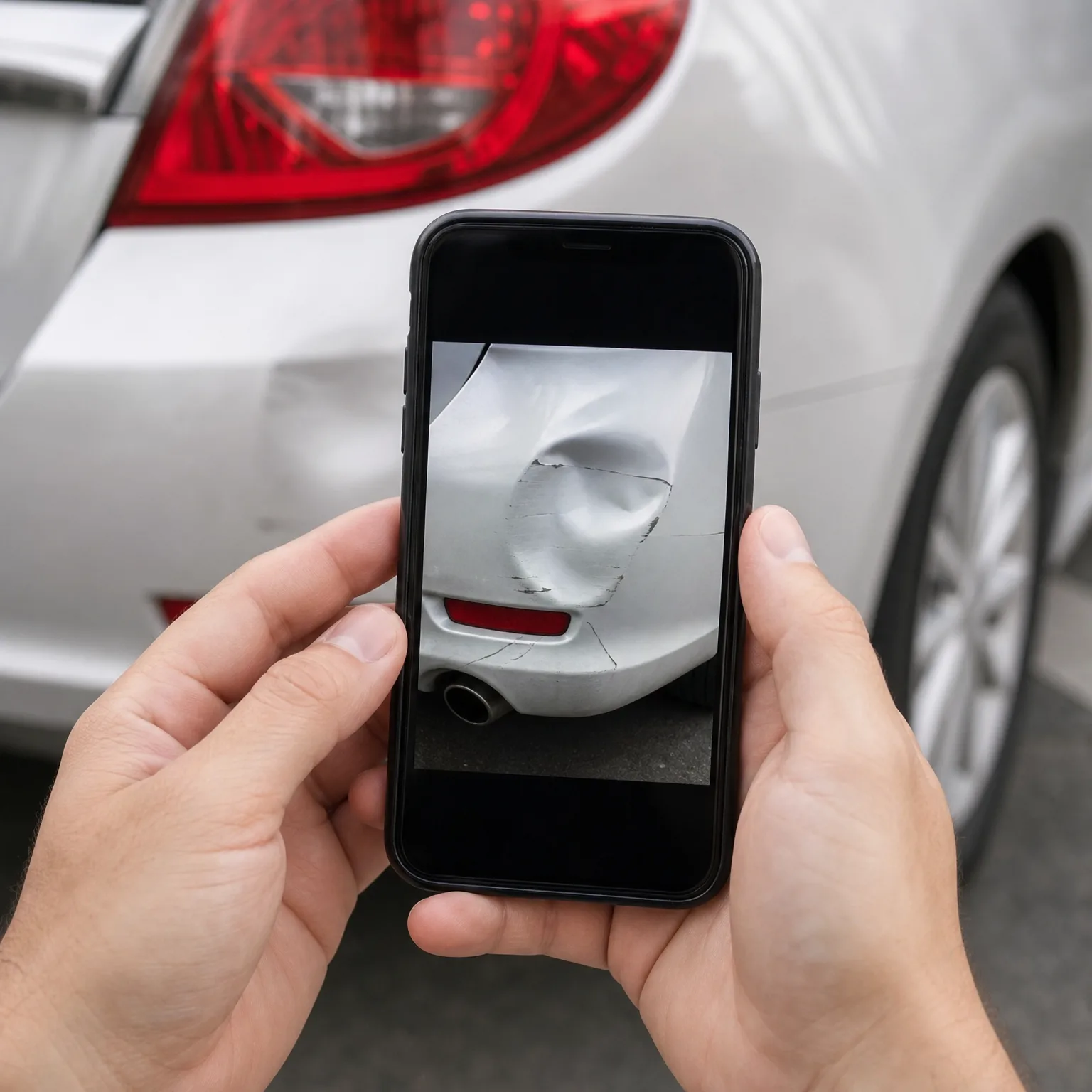
If an excluded driver crashes your car, your insurer treats it as if there's no coverage at all for that accident.
Excluding a driver removes them from the policy entirely
When you exclude someone from your policy, you're not just lowering their risk profile or keeping them off your rate. You're telling the insurer that person will never drive the car, and the insurer prices your policy on that promise. If the promise is broken, the coverage that would normally respond isn't there.
That's different from a driver who simply isn't listed because you forgot or didn't think to mention them. An unlisted but not excluded driver may still get some coverage, depending on the insurer and the state, because the insurer never agreed to rule them out. An excluded driver is a different situation entirely, because you and the insurer both signed off on removing them.
This matters most for grandparents because exclusions are often used on purpose, to keep a young driver's record and risk off the grandparent's policy without dropping them from the household entirely. It works well right up until that grandchild actually gets behind the wheel. The moment they drive, even once, even to move the car in the driveway, the exclusion applies.
What happens after a crash varies by state and by insurer. Some states limit how completely an insurer can deny a claim when there's an excluded driver, especially for injuries to other people. Others allow a full denial. Check your state's rules and your policy's exact language on excluded drivers before you decide this arrangement is safe to rely on.
Can you just remove the exclusion after an accident happens?
No. The exclusion applies based on who was driving at the time of the accident, not who's excluded when you file the claim. Insurers look at the policy as it stood the moment the crash happened.
Trying to change the policy afterward won't undo that, and insurers are experienced at checking the timeline. If anything, a late change right after a crash can draw more scrutiny, not less. The only way to avoid this outcome is to make sure the exclusion reflects reality before anyone drives, not after something goes wrong.
An exclusion isn't a discount with a catch. It's a line your grandchild can never cross, even once.
Decide whether to list, exclude, or add your grandchild, then compare quotes with that decision made.

What an exclusion actually does to a claim
- No coverage for that driver If the excluded person was driving, the policy won't pay for damage or injuries from that accident. This applies no matter how minor the crash was.
- You may owe the other driver If your grandchild hits someone else's car while excluded, you could be personally responsible for their damages. Ask your insurer what happens to third-party claims specifically.
- Your car isn't covered either Collision coverage on your car won't apply if the driver was excluded at the time. You'd be paying for repairs yourself.
- One drive is all it takes The exclusion doesn't care about intent or how often they drive. A single trip is enough to run into this problem.
- Rules differ by state Some states limit how much an insurer can deny, especially for injuries to others. Check your state's specific treatment of excluded drivers before relying on this setup.
Does an excluded driver need their own insurance to drive legally?
Yes, in practice they do, because your policy won't cover them. If your grandchild is excluded from your policy, they need their own separate policy if they're going to drive at all, even occasionally. Without it, they're driving uninsured, which carries its own legal and financial risk in every state. This is why exclusions only make sense when the person truly never drives the car, not as a workaround for occasional use.
Will excluding my grandchild lower my insurance rate?
Usually yes, because the insurer no longer has to price in the risk of that driver. How much it lowers depends on your insurer and your state, since some weigh age and experience more heavily than others. The tradeoff is that the savings only hold up if the exclusion is real. If your grandchild ends up driving anyway, the savings don't matter, because a claim won't be paid.
What's the difference between excluding a driver and just not listing them?
Excluding someone is a formal agreement that they'll never drive the car, while not listing them can simply mean the insurer doesn't know about them. Unlisted drivers sometimes still get partial coverage depending on the state and insurer, because no explicit promise was broken. Excluded drivers get none, because you told the insurer in writing to leave them out. Check your declarations page to see which situation actually applies to your grandchild.