Excluding a Grandchild From Your Policy
Excluding a grandchild means they can never legally drive your car, and any claim while they're driving it will be denied.
An exclusion trades flexibility for a lower, locked-in rate
Insurers price a policy around everyone who might reasonably drive the car. A young driver living in your home or borrowing your car regularly raises that risk, and raises your premium. Naming that grandchild as an excluded driver tells the insurer they're off the list entirely, so the company stops pricing for them and your rate drops back down.
The tradeoff is absolute. If an excluded driver gets behind the wheel and causes a crash, the insurer can deny the claim outright, even if it was a one-time favor like running to the store. There's no partial coverage or grace period built in. The exclusion is a legal statement that this person will never operate the vehicle, and insurers hold you to it.
This makes sense when the grandchild doesn't actually need to drive your car. Maybe they're away at school without it, or they have their own car and policy, or they visit but never take the wheel. In those cases, excluding them costs you nothing in practical terms and saves you money every renewal.
It stops making sense the moment that grandchild might drive even occasionally. A summer visit, a ride to a job interview, borrowing the car while their own is in the shop, any of these becomes a real gap. Whether exclusions are even available, and how they're worded, varies by insurer and by state, so ask directly whether your state allows it and what the form actually says before you sign anything.
The short version
Excluding a grandchild lowers your premium by removing them from coverage entirely, but it means any accident while they're driving is not covered at all. It only makes sense if that grandchild will truly never drive your car. Before deciding, ask your insurer whether exclusions are available in your state and get the exact wording in writing.
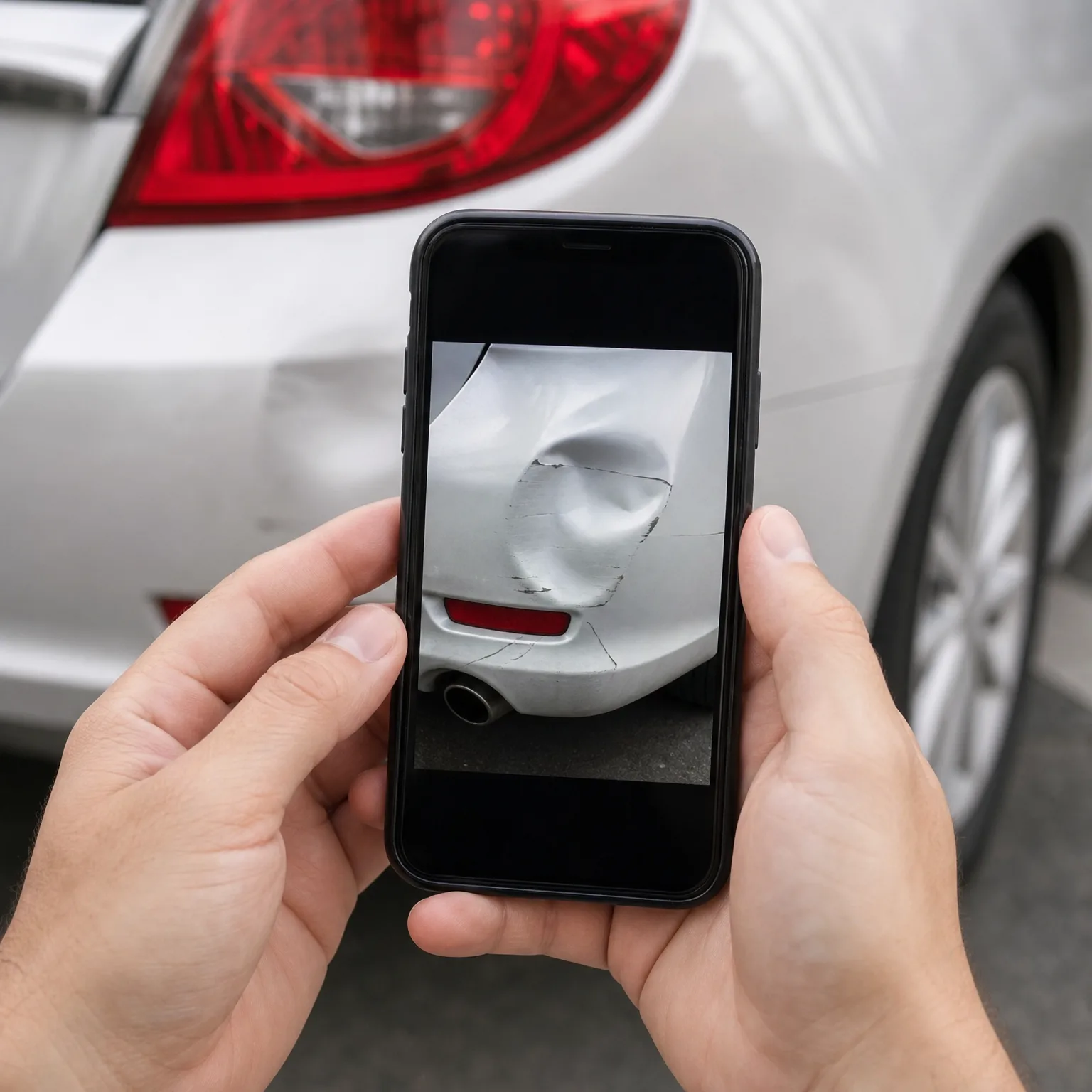
A grandmother excludes a grandson who later needs the car just once
A grandmother in her seventies had her nineteen-year-old grandson living with her temporarily while he finished a trade program. He had his own beat-up car and never asked to drive hers, so she excluded him from her policy to keep her premium from rising. It worked exactly as expected for months, lower rate, no issues, nothing to think about.
Then his car broke down the week of his final exam, and he borrowed her car to get there. On the way, another driver ran a light and hit him. Because he was listed as excluded, her insurer denied the claim entirely, leaving both of them responsible for the damage out of pocket. She later removed the exclusion and added him as an occasional driver instead, paying a bit more but closing that gap for good.
Once you know whether an exclusion fits your situation, compare quotes to see what it actually does to your rate.

Deciding whether to exclude your grandchild
If you do
Your premium drops and stays lower as long as the exclusion stands. But if that grandchild ever drives your car, even once, any accident is entirely uncovered. You and they would be personally responsible for damage, injuries, or liability, with no backup from your policy at all.
If you don't
Your premium may rise some to account for a young driver's risk, especially if they live with you or drive often. In exchange, they're actually covered if something happens. You avoid the all-or-nothing risk of a denied claim and keep the situation simple if their driving habits change.
What to check before you exclude a grandchild
- Ask if your state allows it Not every state permits driver exclusions, and the rules for how they must be worded differ. Call your insurer and ask directly instead of assuming.
- Get the exclusion in writing A verbal note to your agent isn't enough protection. Make sure the named exclusion appears on your actual policy documents.
- Reconsider if plans change If the grandchild moves in, gets a job needing a car, or starts visiting more, the exclusion may no longer fit. Revisit it anytime their situation shifts.
- Check their own coverage options If the grandchild has a license and sometimes needs a car, ask whether their parents' policy or their own could cover them instead of yours.
- Compare cost against real risk Weigh the premium savings against how likely it is they'll ever need your car. A small discount isn't worth an uncovered accident.