Are You Supposed to Look Behind You When Parallel Parking
Yes, turning to look behind you is the correct and safer way to parallel park, not just a mirror check.
Free to compare

What actually counts as looking back properly
- Turn your body, not just eyes Mirrors alone miss the space right behind your bumper. Rotate your shoulders and look through the rear and side windows directly before you reverse.
- Check for a driving test Examiners in most places score head checks separately from mirror use. Ask your instructor or test office what's required in your state before test day.
- Mirrors are a supplement Use mirrors to track distance as you move, but don't rely on them alone. They have blind spots that a direct look fills in.
- Low cars and poor visibility Some vehicles make a full turn harder due to headrests or small rear windows. Adjust your seat and mirrors ahead of time so you still get a real look.
- It matters for claims too If you back into something, insurers and police look at whether you took reasonable care. Showing you looked back helps if fault is ever questioned.
Backing into a spot outside a coffee shop
You spot an open space on a busy street and start reversing in using your mirrors, the way you've done for years. Halfway through, a delivery cyclist cuts behind your car from an angle your mirror never caught. You stop just in time because something made you glance back over your shoulder out of habit, more reflex than training.
Afterward you realize the mirror had shown you the car behind, but not the moving space closer to your bumper. From then on, you make the head turn routine, not just for parking but anytime you reverse. It costs you two extra seconds each time. In exchange, you see things mirrors were never going to show you, and the one close call doesn't turn into a claim or worse.
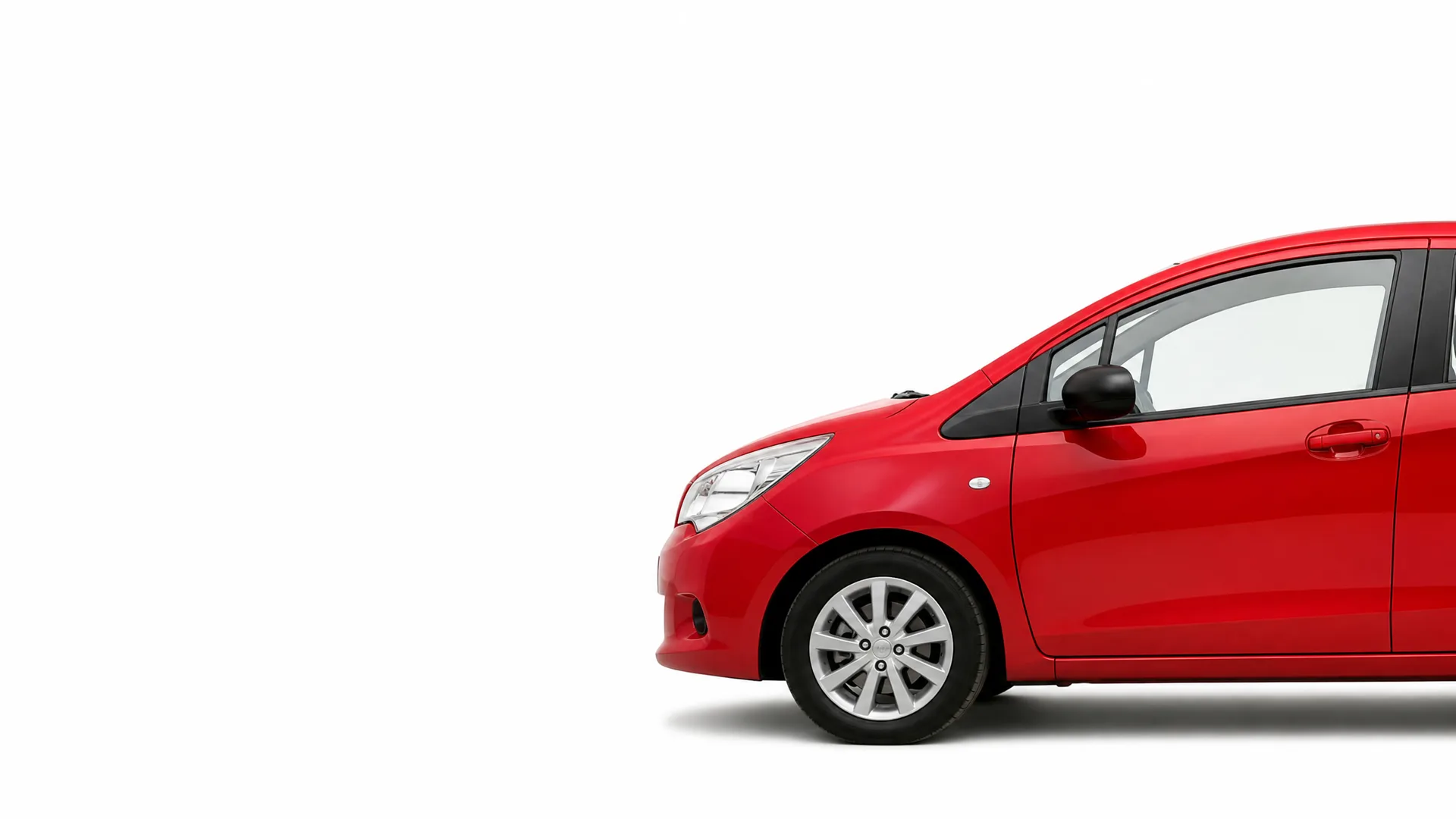
A mirror shows you distance, but only a real head turn shows you what's moving right behind you.
Once you know how you really park, compare quotes with an accurate sense of your own driving habits.

Do you actually turn and look, or just check mirrors
If you do
You catch pedestrians, cyclists, and pets that mirrors miss. Parallel parking takes a bit longer but you back in with real confidence. If you ever bump something, you can honestly say you checked properly, which matters for fault and insurance.
If you don't
You're relying on mirrors with blind spots right behind your bumper. Most of the time nothing happens, but the one time something's there, you won't see it until it's too late. A minor dent becomes a claim, a rate question, and a harder conversation.
Why a head turn beats mirrors alone
Mirrors are angled to show you traffic and distance, not the exact space directly behind your car. That gap right behind the bumper, where a child, a cyclist, or a low object could be, often falls into what's called a blind spot. Turning your body lets you look through the actual window and catch what the mirror geometry can't.
Driving instruction in most places still teaches the head turn as the standard technique, because it catches real-world hazards mirrors miss. Many driving tests also specifically watch for this motion, separate from mirror checks, because examiners want to see that you're actively scanning, not just relying on reflected images that update a half second late.
There are cases where a full turn is harder to execute. Certain seats, headrests, or vehicle designs limit how far you can rotate. In those cases, adjusting your seating position, using additional mirrors, or at minimum doing a quick glance over each shoulder still helps close the gap mirrors leave open.
What changes the answer is mostly vehicle type and personal mobility. If turning fully isn't possible for you, the goal is still the same, get a direct look at what's behind you by whatever method actually works, rather than trusting the mirror image alone.