How to Parallel Park
Parallel parking isn't really about insurance, it's about building the judgment that keeps your grandchild's driving record clean for years.
Free to compare

What actually matters when they practice this
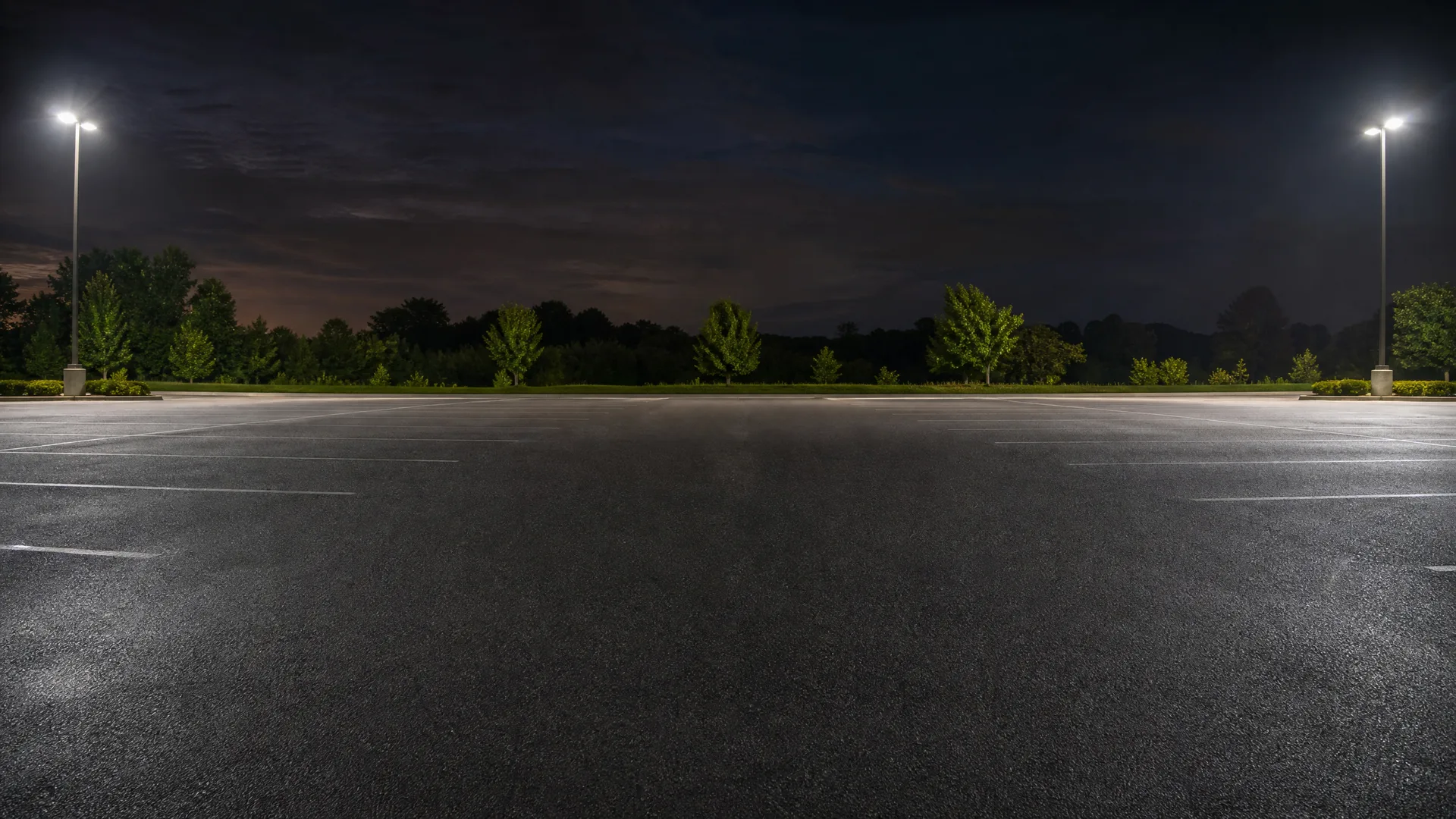
- Pick an empty lot first Practicing between cones instead of real cars removes the fear of hitting something expensive. Once the motion feels natural, move to a quiet street with real parked cars.
- Use mirrors, not guessing Checking mirrors and the rear window builds a habit that matters far beyond parking. Insurers and driving tests both reward visible, deliberate checking over quick instinct.
- Go slow on purpose A slow reverse gives time to correct the angle before it becomes a problem. Tell them speed is never the goal here, control is.
- Practice the three-point turn Pulling forward to straighten out is normal and expected, not a failure. Doing it calmly looks far better to any grader, or any other driver, than forcing a bad angle.
- Log the practice time Many insurers ask about supervised practice hours when a young driver is added to a policy. Keeping a simple record now saves confusion later when you're comparing coverage options.
Does parking ability affect my grandchild's insurance rate?
Not directly. No insurer asks how well someone parallel parks before setting a rate.
What matters is the record that forms around it, tickets, accidents, and claims. A grandchild who parks carelessly is more likely to clip a mirror or scrape a bumper, and those small claims add up over time, sometimes enough to affect future rates.
The real connection is practice. A grandchild who has genuinely practiced tight maneuvers, including parallel parking, tends to be more comfortable in traffic generally, which shows up over years as fewer claims rather than any single discount today.
If you're the one letting them drive your car while they learn, ask your insurer how supervised practice and added drivers are treated, since that part does vary.

Once your grandchild can park confidently and safely, compare quotes to see what adding them to a policy actually costs.
Should you let them practice parallel parking in your car
If you do
They build real comfort with your car's size and blind spots before ever taking it on their own. Small early mistakes happen in a safe setting instead of on a real street, under real pressure, where they cost more.
If you don't
They'll likely learn the skill anyway, just later and with less patience from whoever teaches them. The first real parallel park might happen in traffic, which raises the odds of a scrape that turns into a claim on someone's policy.
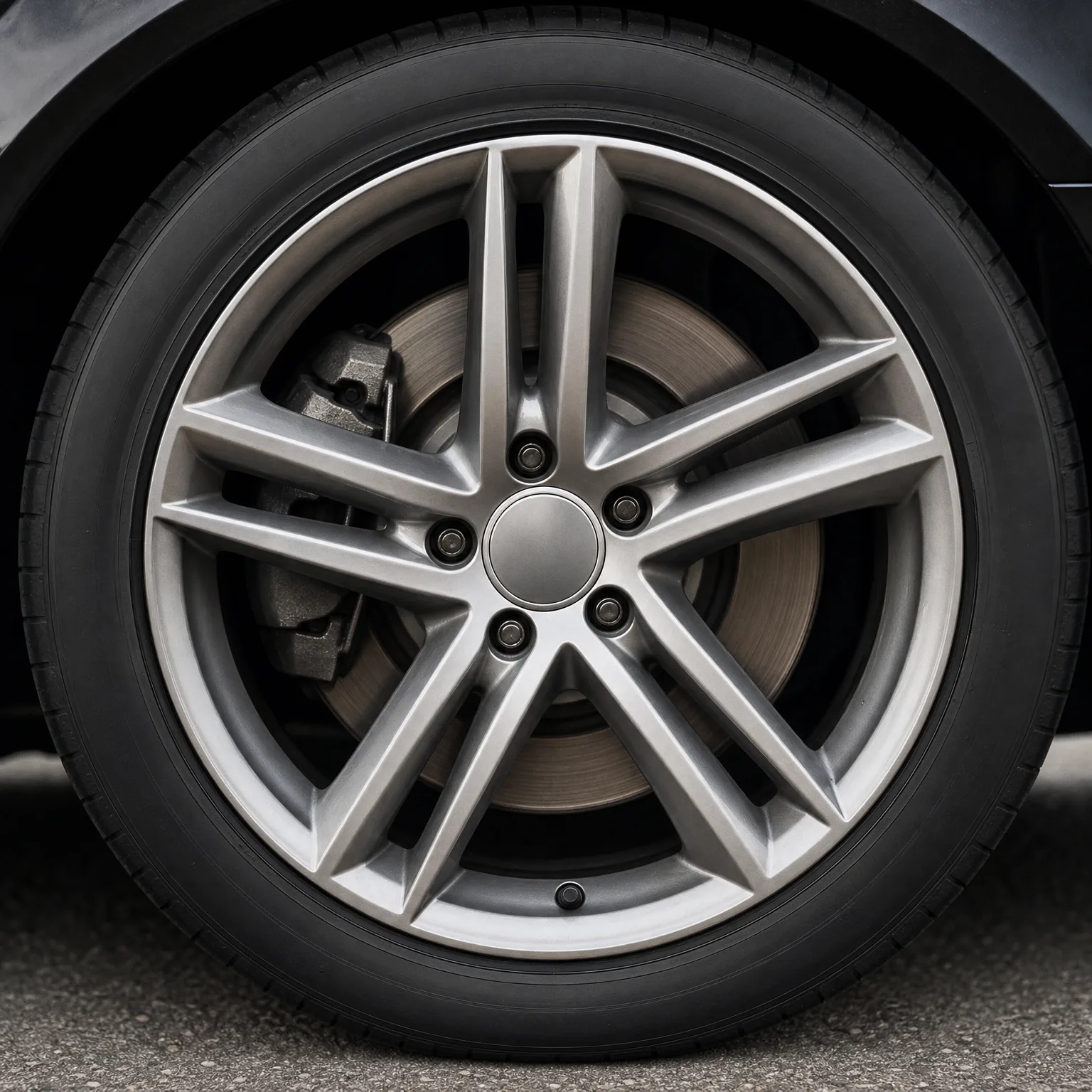
A grandmother teaches her grandson over one summer
Her grandson was visiting for three months before starting community college and needed to learn to drive her older sedan, which she planned to hand down to him. He could drive fine on open roads but froze every time a parking spot required backing in between two cars. She started in the empty lot of a nearby church on Sunday afternoons, using her own trash cans as stand-ins for other vehicles, and let him fail quietly there for a few weeks.
By the end of summer he could parallel park confidently on quiet streets, and she called her insurer to ask how adding him as a listed driver would work once he kept the car at school. She learned that his college address mattered, that his own driving history so far was clean, and that supervised practice wasn't something the insurer scored directly. What helped most was that he had no scrapes or dings to explain. She felt more confident handing him the keys because she'd seen him handle the hardest part herself, not because any policy required it.
Should my grandchild be listed on my insurance or my car?
It depends on who owns the car and how often they drive it. If the car is yours and they drive it regularly, most insurers expect them listed on your policy, not left off. If they only borrow it occasionally, rules vary by insurer, so call and describe the actual arrangement rather than guessing. Living situation matters too, a grandchild living with you full time is treated differently than one visiting for a few weeks. Ask specifically how your insurer defines regular use before deciding anything.
Does my grandchild need their own insurance policy instead?
Not necessarily, and it depends on whether they already have a car or are only driving yours. If the car is yours, they're usually added to your policy rather than needing a separate one. If they own their own car, or their parents do, that vehicle likely needs its own policy regardless of what you do. Ask your insurer directly which situation applies, since the answer changes based on ownership and address, not just who's driving.
Will my rates go up if my grandchild drives my car regularly?
Often yes, since young drivers statistically cost more to insure, but the amount varies by insurer and by the grandchild's own record. A clean driving history, completed driver's education, and supervised practice can all soften the increase. Ask your insurer for a specific quote with your grandchild added rather than estimating, since the only way to know the real number is to ask directly.