What Is the Hardest Part of Driving a Manual Car
The hardest part is controlling the clutch at a stop, especially on a hill or in heavy traffic.
Free to compare
Why hills and stop-and-go traffic cause the most trouble
The clutch is the only part of driving a manual that asks your foot to think. Everything else, shifting gears, reading the road, matches what you already do in an automatic. But the clutch requires a smooth release timed against the gas, and that coordination only comes from repetition. Until it does, the car lurches or stalls, and that's uncomfortable in front of other drivers.
Hills make this harder because gravity pulls the car backward the instant you lift off the brake. You have to release the clutch enough to grab, add gas, and let off the brake, all within a second, or you roll back. Some cars help with hill-hold features that hold the brake briefly, but not all do, so you have to check whether yours does.
Stop-and-go traffic is hard for a different reason. It's not one hard moment, it's many of them in a row, each one demanding the same clutch control while you're also watching the car ahead. Fatigue sets in and that's when stalls happen most, not because the skill is gone but because attention is split.
Once the clutch becomes automatic, most drivers stop thinking about it entirely. The difficulty isn't permanent. It's concentrated in the first weeks, and it's concentrated in exactly these two situations, which is why they're worth practicing on purpose rather than hoping they go smoothly on their own.
A driver who kept stalling on a hilly commute
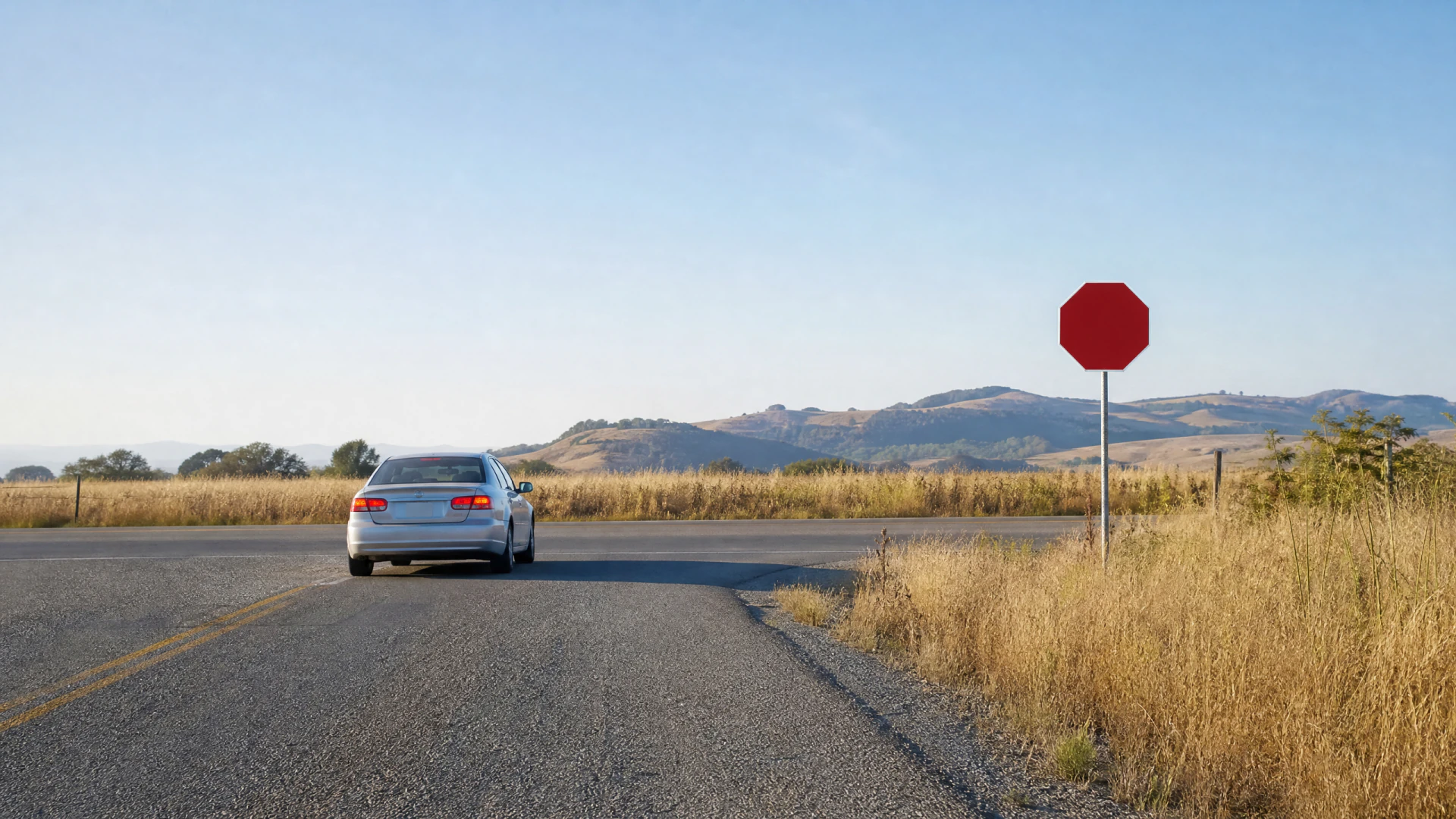
A new manual driver took the same route to work every day, and one intersection sat at the top of a hill with a stop sign. For the first two weeks, that stop sign was the worst part of the day. The car rolled back slightly every time before the clutch caught, and once it stalled completely with a line of cars behind.
Instead of avoiding the route, the driver went back to that same hill on a Sunday morning when traffic was light and practiced the stop and start a dozen times in a row. By the next week, the rollback had mostly stopped, and within a month the stop sign wasn't something they thought about anymore. The fix wasn't a different skill, it was repetition in the exact spot where the difficulty lived.

Whether you practice hill starts before you need them
If you do
You pick a quiet hill and run the stop-and-go motion until it's smooth, with nobody behind you and no pressure. The first real hill in traffic feels familiar instead of new. Stalling becomes rare within days instead of weeks, and the part of driving that worried you most stops being something you think about.
If you don't
You learn hill starts for the first time in live traffic, with cars behind you and no room for a stall. Each mistake feels bigger with an audience watching. It can take longer to feel comfortable, and a few sharp early moments may leave you more hesitant about manual driving than the skill itself deserves.
Once you know what manual driving actually asks of you, compare quotes to see what the car itself will cost to insure.
What makes the clutch hard, broken into parts
- Timing the release The clutch has to come up slowly while the gas goes down, and that balance takes practice. Find an empty lot and repeat it until your foot finds the point without looking.
- Hill starts specifically Gravity pulls the car back the moment you release the brake, before the clutch has caught. Check if your car has hill-hold assist, and if not, practice this exact motion somewhere quiet first.
- Stop and go fatigue Repeating clutch control many times in a row wears down concentration faster than a single hard moment does. Build in short mental breaks at long lights instead of treating traffic as one continuous task.
- Stalling under pressure Stalling isn't a sign you can't drive manual, it's a sign the clutch point hasn't become automatic yet. Expect it early on and treat it as normal, not as a problem with your driving.
- Judging when to shift Knowing when to move up or down a gear takes longer to feel natural than the clutch itself. Listen to the engine rather than watching the speedometer, since sound tells you sooner than the gauge does.
How long does it take to get comfortable driving a manual car?
Most people feel reasonably comfortable within a few weeks of regular driving, though full ease often takes a couple of months. The timeline depends on how often you drive, not just how long you've had the car. Someone driving daily in varied conditions, including hills and traffic, will progress faster than someone driving occasionally on flat, quiet roads. If you stall often but less each week, that's normal progress, not a sign something's wrong.
Is it normal to stall a manual car a lot at first?
Yes, stalling early on is normal and almost every manual driver has done it. It happens because the clutch release and gas timing haven't become automatic yet, and that only comes from repetition. It tends to cluster around stops, hills, and tight parking situations. If stalling continues frequently after a month of regular driving, it may help to practice specifically in those situations rather than just driving generally, since targeted practice closes the gap faster than mileage alone.
Does driving a manual car well affect insurance rates?
Generally no, insurers price based on the car, your driving record, and other listed factors rather than whether the transmission is manual or automatic. What can matter is the car itself, since some manual models are sportier or more expensive to repair, which affects cost independent of transmission type. Rules and rating factors vary by insurer, so if cost is a concern, it's worth checking how a specific car is rated rather than assuming the transmission type itself changes the price.