
What Are the Main Reasons Car Insurance Claims Are Denied
Most denials trace back to who was listed as a driver, not to anything that happened in the crash itself.
Free to compare
A Grandson Borrows the Car for the Summer
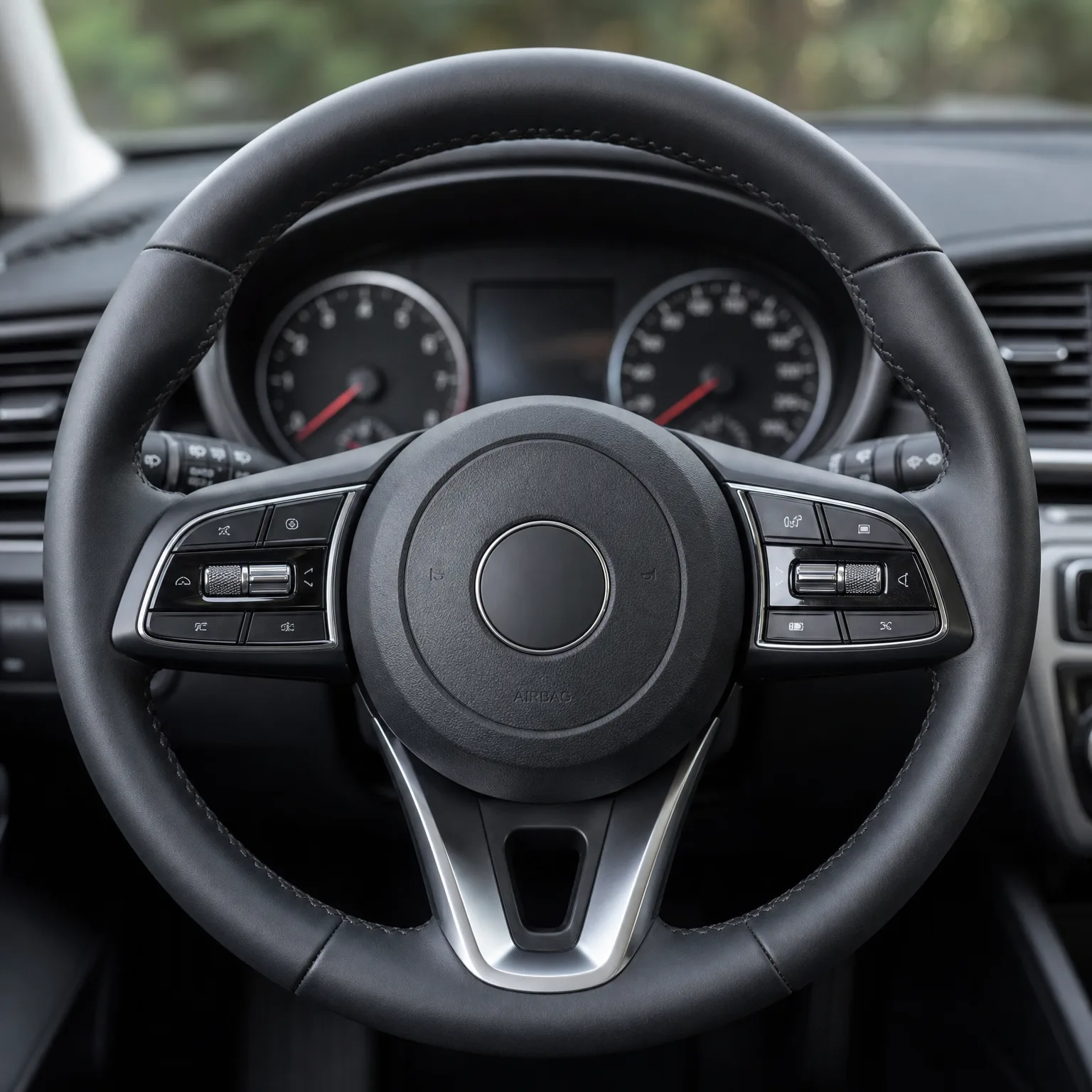
A grandmother let her grandson drive her car most days over the summer while he worked a lifeguard job. She never mentioned it to her insurer because he wasn't living with her and she figured it was temporary. In August he backed into a parked car in a lot. The damage was minor, but when she filed the claim, the insurer asked how often he drove the car and for how long. Her answers matched the pattern of a regular driver, not an occasional guest.
The insurer denied coverage for the portion of the claim tied to his driving, because he should have been listed on the policy months earlier. She ended up paying for the other car's repair herself and then called her insurer to add him properly going forward. Her rate did go up, but it was far less than what she'd paid out of pocket, and now any future incident would actually be covered. She told her son later that she wished she'd just made the call in June instead of waiting to see how the summer went.
Will my grandchild still be covered if I never added them to my policy?
It depends on how often they actually drove the car and for how long, not on whether you meant to add them. A single afternoon drive is usually treated differently than weeks of regular use. Insurers look at the real pattern of who was driving, not just what's written down.
If your grandchild only drove occasionally and rarely, many policies still cover that under a permissive use provision. But if they were driving regularly, living with you, or using the car as their main one, the insurer will likely say they should have been listed. That's when claims get denied or only partly paid. The safest move is always to call your insurer and describe the actual situation, rather than guessing which category applies.
Once you know what your insurer needs from you, compare quotes to find coverage that fits your grandchild's driving.

Telling your insurer your grandchild drives the car
If you do
Your insurer may ask questions about how often and for how long, then adjust your policy or premium to reflect it. Your coverage stays solid if something happens. Your rate might rise a little, but you know exactly where you stand, and there are no surprises if a claim comes in.
If you don't
Everything feels normal until a crash happens and the claim gets reviewed closely. If the insurer finds your grandchild was driving regularly without being listed, they can deny part or all of the claim. You could be left paying for damage, repairs, or someone else's medical bills out of pocket.

These are the situations that most often sink a claim
- Unlisted regular driver If your grandchild drives often but isn't on the policy, the insurer may treat that as a misrepresentation. Call your insurer and describe how often they actually drive, even if it feels like overkill.
- Address changes If your grandchild moves in with you, insurers often require them to be added, since where someone lives affects risk and rating. Tell your insurer as soon as the living situation changes, not after a claim.
- Commuting with the car Regular commuting is different from occasional errands in the eyes of an insurer. If your grandchild uses the car to get to a job or classes, say so plainly when you talk to your agent.
- Assuming parents cover it A policy from your grandchild's parents may or may not extend to your car, and that depends on the insurer and the policy's terms. Ask the parents to check directly with their insurer.
- Handing down an old car If you're giving the car to your grandchild, the transfer itself can trigger a required update, even if nothing else about the car changed. Update the registration and insurance together so nothing falls through the cracks.
Does adding my grandchild to my policy affect my own driving record?
No, their driving record and yours stay separate even when you share a policy. What can change is your premium, since insurers price the policy based on everyone who regularly drives the car. If your grandchild gets a ticket or causes an accident, it shows up on their own record and may raise the cost of insuring them, but it doesn't alter your personal driving history. Check with your insurer about whether a claim involving your grandchild shows up differently on renewal notices, since that varies by company.
Can I limit my grandchild to only driving certain cars or times?
Yes, many insurers let you specify which car a listed driver is primarily associated with, and some allow restrictions on usage. This can help control cost if your grandchild only needs the car occasionally rather than as their main vehicle. Ask your insurer directly what restrictions are available, since options vary widely. If you want tighter control, consider a written agreement between you and your grandchild about when and how the car gets used, even though that agreement itself doesn't replace telling your insurer.
What happens if my grandchild causes an accident while driving someone else's car?
Coverage usually follows the car first, meaning the owner's policy typically pays before your grandchild's own coverage applies, if they have any. If the damage or injury costs exceed what that car's policy covers, your grandchild's own policy or yours could be asked to pay the remaining amount. This is why it matters whether your grandchild is listed on your policy at all, since that determines whether there's a second layer of coverage behind the car they were driving. Ask your insurer how this layered coverage works in your state.