What Are the 3 Rs of Parallel Parking
The 3 Rs stand for Reverse, Reflect, and Reposition, the three steps that take a car from alongside an open spot into it.
Free to compare
Why the steps work in this order
Parallel parking looks hard because it asks a car to move sideways when it can only move forward or backward. The 3 Rs break that sideways motion into three plain moves so a new driver, or a grandchild learning on your car, has a checkpoint at each stage instead of one long blur of steering and hoping.
Reverse means backing up alongside the car ahead of the open spot, turning the wheel at the right moment so the back of your car angles into the space. Reflect means pausing to check mirrors and blind spots, judging the angle, and correcting before going further. Reposition means straightening the wheel and adjusting forward or back until the car sits parallel and centered.
The order matters because each step corrects what the last one set up. If the angle from the Reverse step is off, Reflect is where you catch it before the car ends up too far from the curb or too close to the other bumper. Skipping that pause is the most common reason new drivers overcorrect and need several tries.
Some driving schools and manuals use slightly different names or add a fourth step, so if a grandchild is studying for a road test, check what the testing state or instructor actually calls for. The mechanics stay the same either way, and that's what matters for actually parking the car.

The short version
The 3 Rs are Reverse, Reflect, and Reposition, the steps for backing into a parallel spot in order. Reflect is the step most new drivers skip, and it's the one that prevents the back-and-forth overcorrecting. If a grandchild is learning on your car, practice the pause before worrying about speed.
Does knowing the 3 Rs actually help pass a driving test?
Yes, because most road tests grade parallel parking on the same things the 3 Rs teach, judging distance from the curb, checking mirrors, and controlling the car at low speed rather than rushing. An examiner isn't grading whether the driver used this exact phrase, only whether the car ends up parked safely and within the lines.
That said, testing requirements vary by state, including how much space is given, how many corrections are allowed, and whether parallel parking is tested at all. If a grandchild is preparing for a test soon, it's worth checking the specific state's manual or an instructor for what's actually graded, since practicing the 3 Rs builds the right habits but the test itself may have its own rules layered on top.
Once parking is second nature, compare quotes to see how a young driver changes your coverage.
What to focus on when teaching this
- Slow is the whole point Rushing is what causes most parking mistakes, not the steering itself. Have the grandchild go slowly enough that stopping mid-step feels easy, not panicked.
- Practice the pause The Reflect step is where most people skip ahead too fast. Make stopping to check mirrors and angle a deliberate habit before worrying about speed or smoothness.
- Use real curbs, not cones Cones don't teach depth perception or how close a real bumper feels. Practice in an empty lot with actual parked cars if possible, at a time with little traffic.
- Check your state's test rules Some tests require parallel parking and some don't, and the space given can differ. Look up your state's specific driving test manual if a test is coming up.
- Confirm who's covered learning If the grandchild isn't on your policy yet, confirm with your insurer whether a learner is covered while practicing in your car. Rules on this vary by insurer.
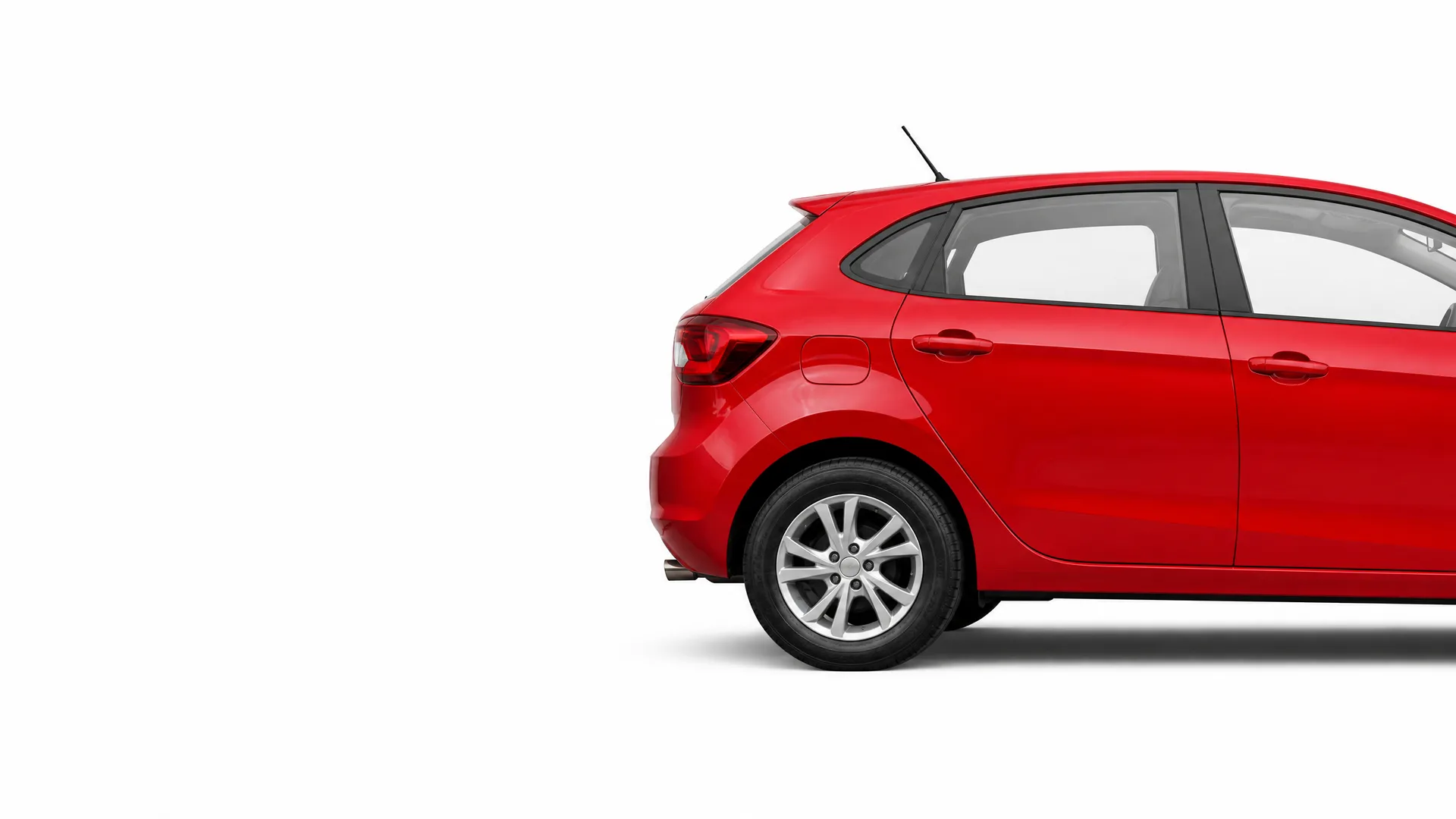
The habit that makes parallel parking click is the pause between steps, not faster steering.
How many times can you correct during a parallel parking test?
It depends entirely on the state and the examiner, so there's no single number that applies everywhere. Some states allow several corrections as long as the car ends up safely parked within the time given, while others deduct points per correction or fail for touching a curb. If a grandchild has a test coming up, check that state's official driver's manual or ask the testing office directly, since this is one of the most commonly misunderstood parts of the exam.
What size parking space is used for a parallel parking test?
Space size varies by state and by testing site, so there isn't one standard answer. Some states specify an exact space, others leave it to the examiner's judgment based on available parking. If a grandchild is nervous about this, practicing in a slightly tighter space than expected tends to help, since a wider real space feels easier by comparison. Check the specific DMV or licensing agency's manual for that state to see if a size is listed.
Can a learner's permit driver practice parallel parking in an empty lot legally?
Generally yes, since permit holders can practice in most legal driving areas with a licensed adult supervising, but permit rules vary by state. Some states restrict where or when a permit holder can drive, including certain lots or times of day. Check your state's permit requirements for supervision rules and any restrictions before assuming a particular lot or parking area is allowed for practice.