What Are Signs of a Car Reaching Its End
A car is reaching its end when repair costs start to rival its value and the problems stop being occasional.
Free to compare
A grandparent's old sedan starts failing one system at a time
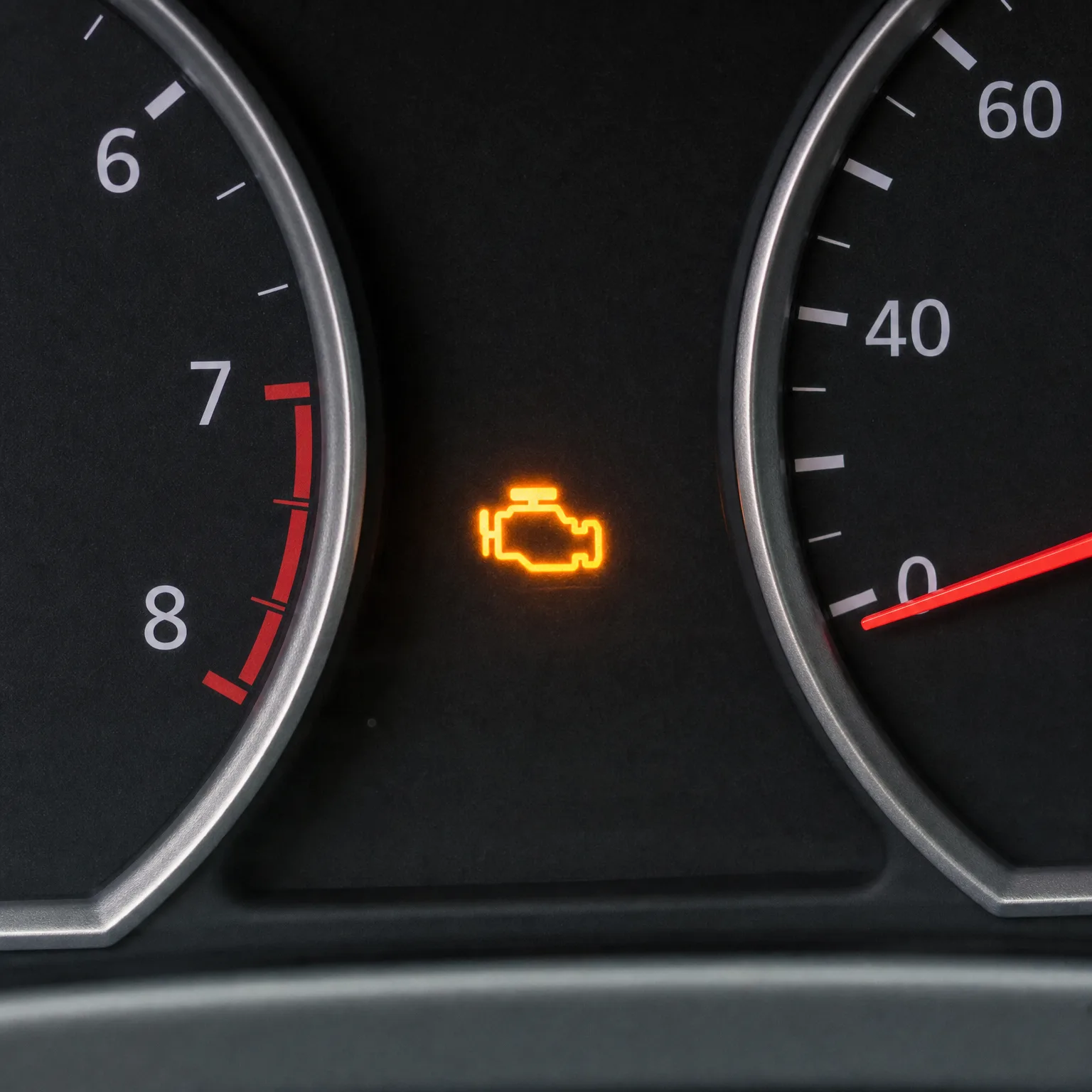
A grandparent had an older sedan they planned to hand down to a grandchild heading off to college. Over one year, the transmission needed work, then the air conditioning failed, then a sensor issue kept triggering the check engine light. Each repair on its own seemed reasonable, a few hundred dollars here, a bit more there, but together they started adding up to more than the car was worth on paper.
The grandparent called their insurance agent to ask whether it still made sense to keep full coverage on it before letting the grandchild drive it across state lines to school. The agent pointed out that if the car was only worth a small amount, the payout after an accident might not cover much, even though the grandchild would still need liability coverage no matter what. The grandparent decided to drop collision and comprehensive, keep liability, and put the money saved toward a tune-up and a fresh set of tires instead. The grandchild drove off with a car that was older but reliable enough, and insurance that matched what the car was actually worth.
Should I keep paying for full coverage on a car that's near the end?
Usually not, once the car's value drops low enough that a claim payout would be small. Full coverage includes collision and comprehensive, which pay out based on the car's current worth, not what you paid for it or what you've spent keeping it running. If that payout would barely cover a tow and a rental, you're often paying premium for very little protection.
Liability coverage is different and almost always required regardless of the car's age or condition, since it covers damage to others, not your own vehicle. Before dropping full coverage, get the car's current value from your insurer or a trusted estimate, and weigh that against what you're paying for collision and comprehensive each year. If the math doesn't favor keeping it, scaling back can free up money for repairs or the next car instead.

Now that you know whether this car is worth fully insuring, compare quotes to match coverage to its real value.

Deciding whether to keep insuring an aging car at full coverage
If you do
You keep paying for collision and comprehensive even as the car's value keeps dropping. If something happens, you get a payout, but it may be smaller than you expect since it's based on current value, not what you've invested in keeping the car running. You're protected, but possibly overpaying for that protection.
If you don't
You drop collision and comprehensive, lower your monthly cost, and put that money toward repairs, tires, or savings for the next car. If the car is stolen, totaled, or badly damaged, you cover the repair or replacement yourself. Liability stays in place either way, so you're still covered for damage you cause to others.
How do I find out what my car is actually worth before deciding on coverage?
Ask your insurer for the car's current cash value, since that's the number they'll use in any claim, not resale listings or what you paid originally. You can also check independent valuation tools for a second opinion. Mileage, condition, accident history and local demand all affect this number, and it can be lower than you'd guess for a car that still runs fine. Once you have that figure, compare it to a year of collision and comprehensive premiums to see if the coverage still makes financial sense.
Is it cheaper to fix an aging car or replace it when problems pile up?
It depends on how the total repair costs compare to the price of a reliable replacement, and there's no single answer that fits every car. Add up what you've spent on repairs in the last year or two, then get an estimate for the current problem. If that combined number starts approaching what a decent used replacement would cost, replacing often makes more sense than continuing to patch an aging car, especially one a grandchild will depend on daily.
Does an older car cost more to insure because it's more likely to break down?
Not directly, since mechanical reliability isn't what insurance premiums are based on. Premiums are driven by the car's value, the cost to repair or replace it, safety features, and who's driving it, among other factors. An older car with no safety features and a young driver on the policy can still cost more for liability even though comprehensive and collision might cost less. Check with your insurer on how specific features affect the rate, since this varies by insurer.
The question isn't whether the car still runs, it's whether insuring it fully still makes financial sense.