How to Log Teen Driving Hours
Keep a simple log of date, time, miles, and conditions for every practice drive, and it satisfies the license office and your insurer.
What your logging needs to cover
- Date and time of day Write down when each drive happened, including whether it was daytime, dusk, or night. Some permits require a mix of conditions, so this shows the spread.
- Miles and route type Note highway, city, or rural driving and roughly how long the drive lasted. This proves variety, not just total hours.
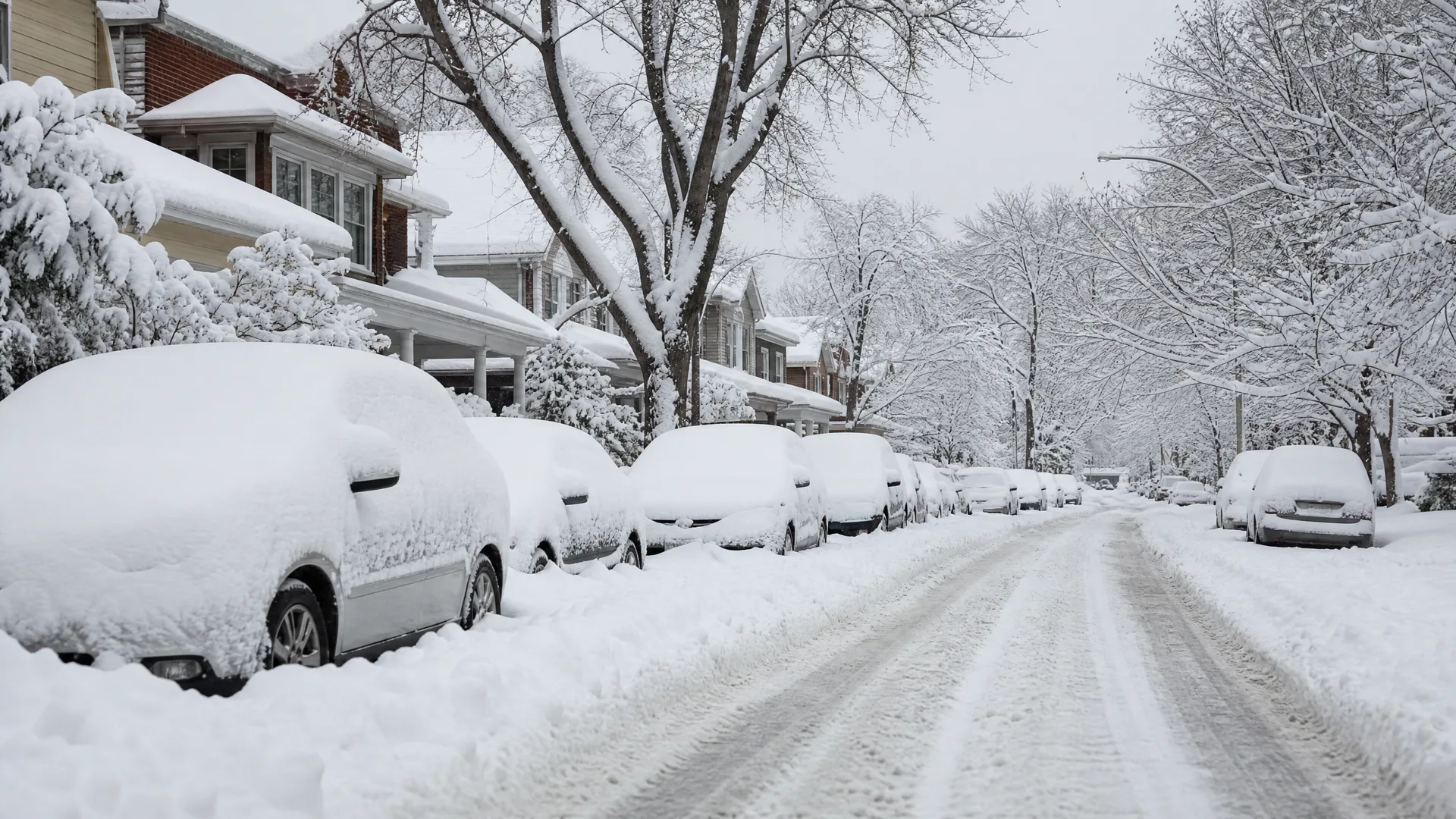
- Weather and road conditions Mention rain, snow, or clear skies if they applied. This matters if your state requires some hours in adverse conditions.
- Who was supervising Record your name as the supervising adult each time. If the grandchild sometimes practices with a parent too, keep both names straight so the log stays consistent.
- A running total Keep a simple tally so you always know how close the grandchild is to finishing requirements. This saves a scramble before the road test.
Does my logged driving time actually affect my insurance rates?
Not directly. The hours themselves aren't reported to your insurer, and no company tracks a permit log for pricing. What affects your rates is whether the grandchild is listed as a driver on your policy and how much they drive your car once licensed.
The log matters for the license itself, not the premium. But the supervised practice it represents does matter indirectly, because a driver who got solid practice tends to have fewer early claims, and insurers do watch claims history closely in the first year or two after licensing. So the log is about readiness, and the insurance conversation is a separate, later step once the license is real.

The log is for the license. Your insurer cares about who's listed on the policy and how often they drive.
Once the logged hours are done, compare quotes so you know what adding this driver will really cost.
A summer visit that turned into a full permit log
A grandmother in Ohio had her granddaughter visiting for the summer, and the girl needed permit hours before fall. They used a notebook kept in the glove compartment, writing down the date, start and end time, and a short note on conditions after every drive. Some days were quick trips to the store, others were longer highway runs once the girl got more comfortable.
By the end of summer they had a full page of entries, easily enough to meet the state's requirement, and the running tally meant there was no last-minute guessing. When the girl went home and later took her road test, the log was accepted without question. The grandmother never had to call her insurer about the practice hours themselves, because that conversation only came up afterward, once the license was official and they talked about whether the granddaughter would be driving the car regularly enough to need to be listed.
Can I log hours as a grandparent or does it have to be a parent?
In most states, any adult licensed driver sitting in the passenger seat can supervise and log hours, not just a parent. Check your state's exact rule, since a few specify a minimum age or license history for the supervising adult. If you qualify, your signature on the log should be treated the same as a parent's.
What format does the driving log need to be in?
Most states accept a simple handwritten log as long as it has the required fields, there's rarely a special form you must use. Check your state's licensing website, since some do provide an official template and a few require it. If no template is required, a notebook or spreadsheet works fine.
Do I need to notarize or verify the driving log somehow?
No, a parent or supervising adult's signature is typically all that's required, not notarization. Check your state's requirements though, since some ask for a signed statement under penalty of perjury rather than just a signature. If your state has that rule, read it carefully before signing.