Grandkids Driving You Around
Your policy likely covers the trip, but how it treats your grandchild afterward depends on how often they drive and where they live.
Insurers care who drives regularly, not just who's related to you
Car insurance follows the car first. Whoever is behind the wheel with your permission is generally covered while driving it, including a grandchild taking you to an appointment or running an errand. That part is simple and true almost everywhere.
What gets more complicated is how your insurer views a grandchild who drives your car often, not just once. Insurers want to know who's regularly behind the wheel, because that person affects how likely a claim is. If a grandchild lives with you, most insurers expect you to list them on your policy as a household driver, even if they have their own policy elsewhere or are covered under a parent's plan. If they're just visiting for a few weeks and borrow your car occasionally, that usually doesn't trigger the same requirement, but insurers draw this line differently, so it's worth confirming with yours.
The reason this matters is that undisclosed regular drivers can affect a claim. If your grandchild is in an accident and your insurer later learns they lived with you and drove often but were never mentioned, that can complicate how the claim is paid, even though the trip itself was permitted. This isn't about catching anyone doing something wrong. It's about insurers pricing risk accurately, and a young driver with a different history than you changes that risk.
Where it gets different is the living arrangement. A grandchild visiting for a summer is treated differently than one who's moved in for the school year. A grandchild driving your old car titled in your name is different from one driving their own car insured elsewhere. None of these situations are wrong to be in, but each one changes what your insurer needs to know, so the right move is always to ask your agent directly what counts as a household member or regular driver under your specific policy.
Will my rates go up if my grandchild drives my car?
They might, but not automatically and not just because a grandchild drove your car once or twice. Rates typically move when an insurer adds a young driver to your policy as a regular or household driver, because young drivers statistically cost more to insure. If your grandchild is added, expect some change in your premium.
What determines the size of that change is the grandchild's own driving history, the insurer's rules for young or new drivers, and whether they're the primary driver of that car or just one of several people who use it. Some insurers have more favorable treatment for young drivers added to an experienced driver's policy than others. Ask your agent to run the numbers before you decide, so you're choosing with real information instead of a guess.

Once you know how your grandchild will be covered, compare quotes to see what that coverage actually costs.

Telling your insurer your grandchild drives your car regularly
If you do
Your insurer updates your policy to reflect who actually drives the car, so if there's ever an accident, the claim goes smoothly because nothing was hidden. Your premium may adjust, but you'll know the real cost upfront and avoid surprises when you need coverage most.
If you don't
Your coverage may still apply for everyday driving, but if your grandchild is in a serious accident and the insurer discovers they were an undisclosed regular driver, the claim can be delayed, reduced, or questioned. You save money now but risk a harder process exactly when you need it to be easy.

A grandchild moving in for senior year and needing a car
Say your granddaughter moves in with you for her last year of high school and will drive your older car to school and work. You call your agent to ask what changes. The agent explains that because she now lives in your household and will drive the car regularly, she needs to be listed on your policy, even though she's not your dependent and her parents have their own policy elsewhere.
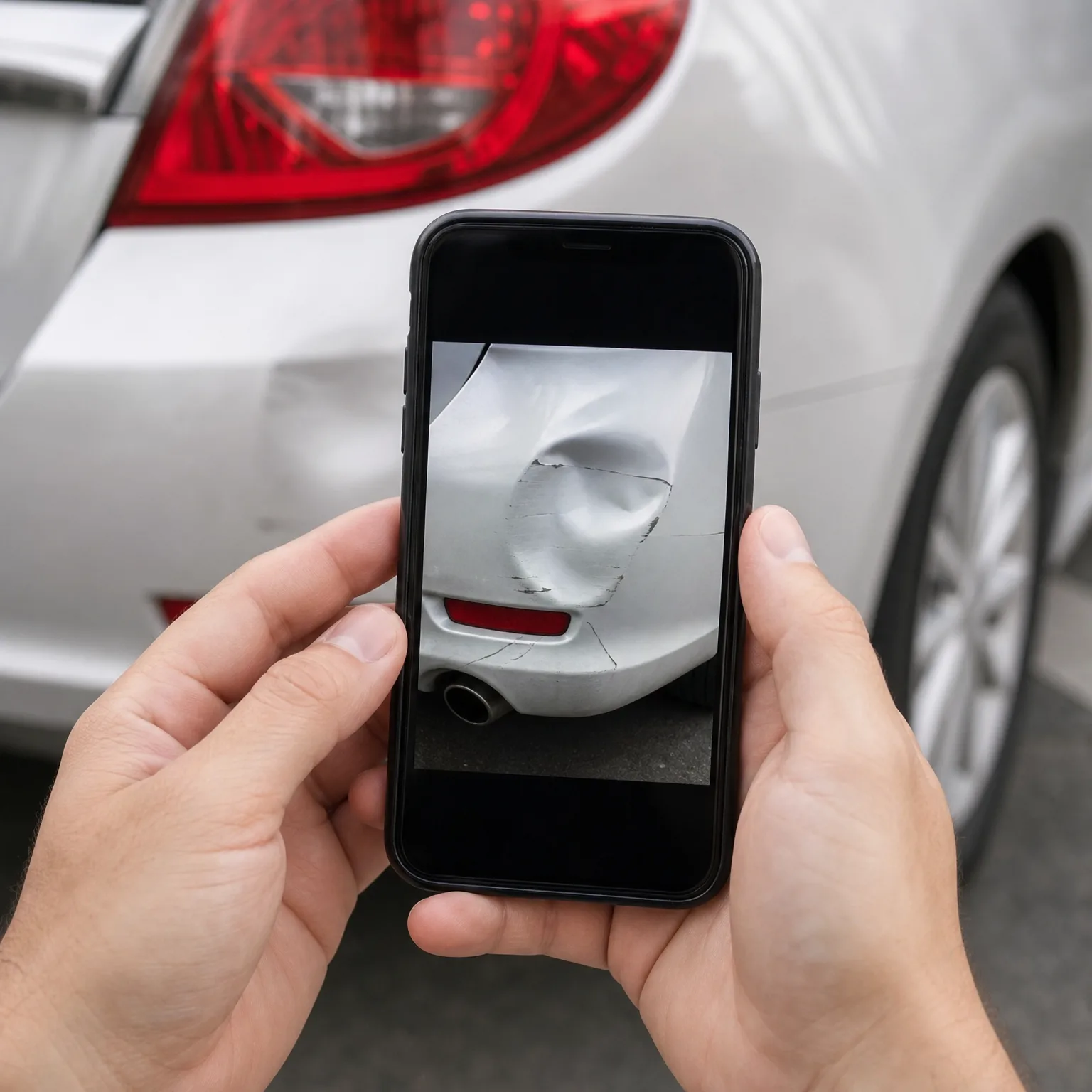
You give the agent her license information and driving history. The agent runs a quote with her added as a listed driver on that car, and your premium goes up some amount, which you decide you can manage since you were already planning to let her use the car daily. A few months later she backs into a mailbox in a parking lot. Because she was properly listed, the claim is handled without any dispute about who was driving or whether it was expected. The repair gets paid out under your policy's usual terms, and nothing about the arrangement becomes a problem beyond the cost of the fender bender itself.
The real risk isn't letting your grandchild drive. It's your insurer not knowing they do.