
Grandchild Driving My Car Once a Week
A grandchild who drives your car regularly almost always needs to be listed on your policy, even for just one day a week.
Insurers care about regular access, not who's related to whom
Car insurance is built around a simple idea: the policy covers the people who regularly drive the car. It doesn't matter that your grandchild isn't your legal dependent or that they only borrow the car once a week. Once someone has routine access to your vehicle, insurers consider them a regular driver, and regular drivers need to be named on the policy. A once-a-week pattern is regular. It's predictable, it's ongoing, and it's exactly the kind of use insurers ask about.
The reasoning behind this is about risk, not blame. Your premium is priced on who is likely to be behind the wheel and how often. A young driver changes that calculation substantially, regardless of how responsible they are, because age and experience are the biggest predictors insurers use. If something happens while your grandchild is driving and they were never disclosed, the insurer can argue the policy didn't reflect the real risk, which can complicate a claim even if coverage ultimately applies.
Where this gets specific to your situation is the living arrangement. If your grandchild lives with you, most insurers will expect them listed as a household driver, full stop. If they're visiting for the summer or just borrowing the car occasionally from elsewhere, some insurers have a different category for occasional or non-resident drivers, which can cost less than full-time listing. This varies by insurer, so ask directly how they classify someone who doesn't live with you but drives consistently.
The one exception worth knowing is if your grandchild already has their own policy, say through their parents, that explicitly extends to driving your car as a permissive user. That's less common for a weekly arrangement, but it's worth asking your insurer and your grandchild's parents to compare what each policy actually says before you assume anything.

A grandmother who said yes once a week, carefully
A grandmother in her early seventies had her seventeen-year-old grandson drive her car every Saturday to his part-time job, since his parents' car wasn't available that day. She wasn't raising him and he didn't live with her, but the pattern was steady enough that she called her insurer before saying yes for good. She described exactly how often he'd drive, where, and for how long, and asked whether he needed to be listed.
Her insurer classified him as an occasional operator rather than a full household driver, since he lived elsewhere and only drove her car on that one fixed day. She added him in that category, confirmed what it would do to her premium, and kept a copy of the updated policy in the glovebox. When he later asked to borrow the car on a different day for a weekend trip, she called first, because she knew the agreement was specific to Saturdays. That one call kept her coverage matched to reality, and she never had to wonder what would happen if something went wrong.

Whether you tell your insurer about the weekly driving
If you do
Your insurer adjusts your policy to reflect the real risk. Your premium may rise, but any claim involving your grandchild is handled the same as any other covered claim. You know exactly what's protected, and there are no surprises if an accident happens on that Saturday drive.
If you don't
Your policy may not reflect who's actually driving the car. If your grandchild causes an accident, the insurer can investigate the undisclosed regular use, which can delay a claim, reduce payout, or in some cases lead to denial. You're also personally exposed if the claim doesn't fully cover damages.
Once you know how to list your grandchild's driving, compare quotes to see what it actually costs.
Will my rates go up if I add my grandchild to my policy?
Probably, but how much depends on factors you can influence. Young drivers raise rates because insurers see less driving history to judge from, not because of anything your grandchild has done. The increase is usually smaller for occasional or non-resident listings than for full household driver status, so the living arrangement matters a lot here.
You can often soften the increase. Good grades, driver's education courses, and low mileage can all help, and many insurers have discounts aimed specifically at young or infrequent drivers. It's also worth asking whether it's cheaper for your grandchild to be added to a parent's policy instead, if that policy already covers them elsewhere, since duplicate coverage rarely makes sense. Get the specific number from your insurer before deciding anything, since it varies enough by company and state that guessing isn't useful.
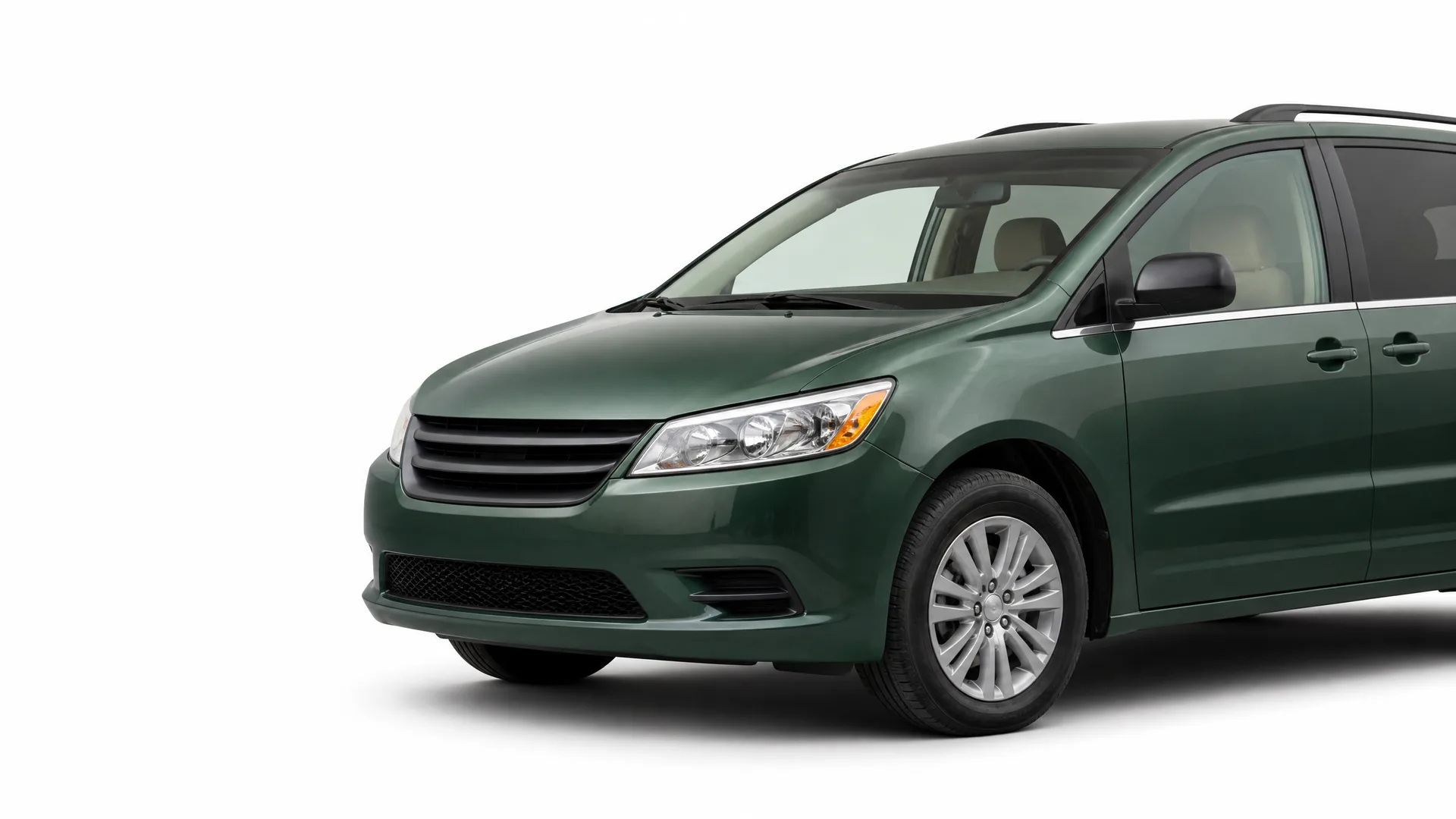
The real risk isn't your grandchild's driving. It's your policy not knowing about it.
Does my grandchild need their own car insurance if they only drive my car?
Not necessarily, if they're properly listed on your policy as a driver. Your policy then covers them while driving your car, which is usually simpler and cheaper than a separate policy for someone without their own vehicle. But if they also drive another car regularly, like a parent's, check whether that policy already covers them and avoid paying for overlapping coverage. Ask your insurer directly how your policy applies to a grandchild who doesn't live with you.
What happens to my insurance if my grandchild moves in with me permanently?
Your policy will likely need updating beyond just adding a driver. A permanent move usually shifts your grandchild from occasional or visiting status to full household resident, which most insurers treat differently and price differently. This can also affect things like how claims are handled if the car is used more often or for longer trips. Tell your insurer as soon as the living situation changes, rather than waiting, since timing can matter if a claim happens in between.
Can I limit my grandchild to driving only on certain days?
Some insurers allow restrictions like this, but it depends on the company and how they structure driver listings. A few let you specify limited use, which can lower the cost compared to unrestricted access. Others simply classify the driver as occasional or regular without day-specific limits. Ask your insurer directly whether restricted-use listings exist, and get any agreed limits in writing or clearly noted on the policy, since verbal arrangements won't hold up if a claim is disputed.