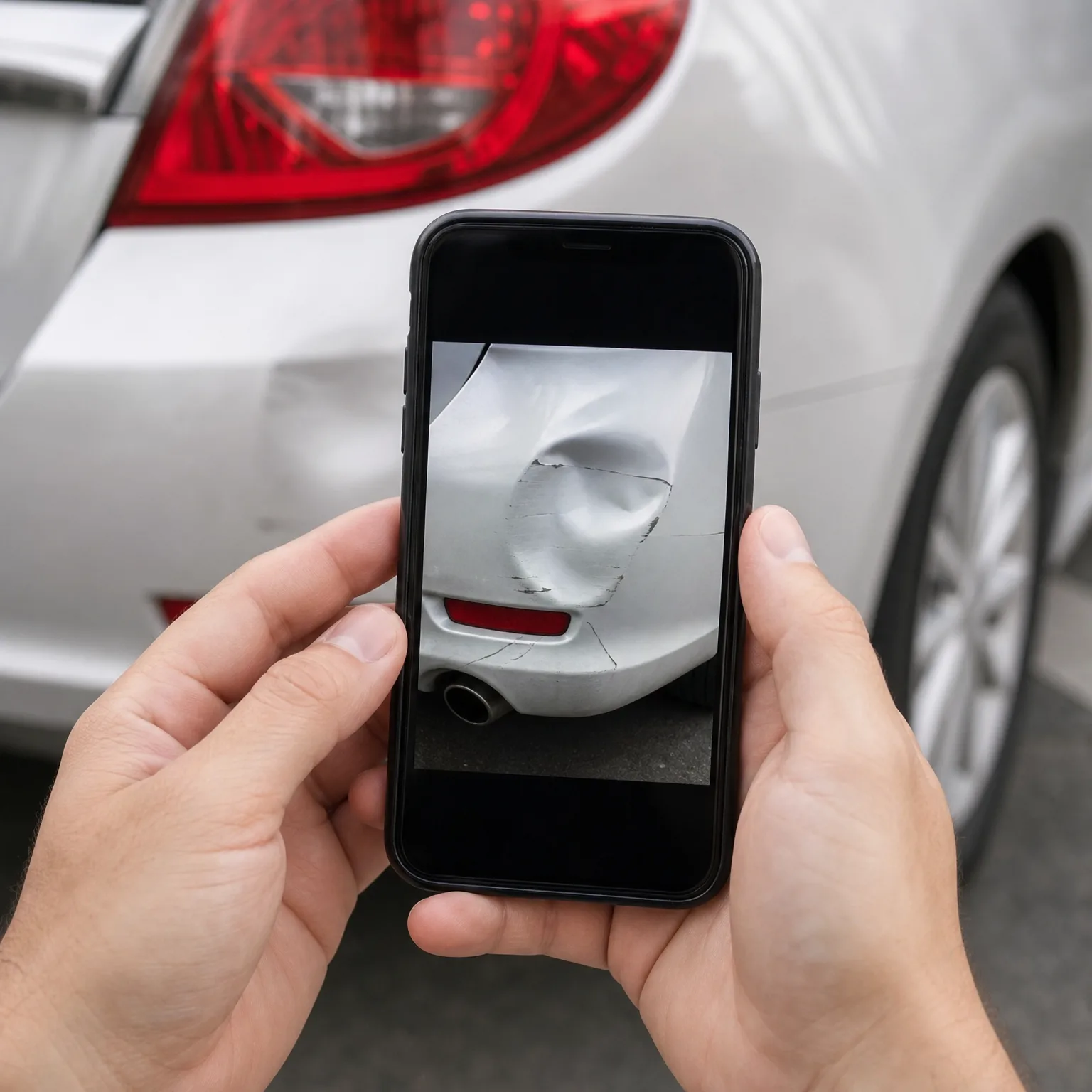
When Grandkids Drive Your Car
If a grandchild drives your car regularly, your insurer likely wants them named on your policy, not just waved through.

What actually determines your coverage and your cost
- Regular use vs occasional use Insurers care how often, not just whether. A grandchild who drives weekly or lives with you is different from one borrowing the car twice a summer, and your insurer will ask which.
- Who's listed on the policy If your grandchild isn't listed and they crash your car, your insurer may still cover it but could call it misrepresentation if the use was frequent. Tell your insurer before it becomes a claim, not after.
- Where they actually live A grandchild living with you, even for a summer, usually counts as a household member in your insurer's eyes. Check how your state and insurer define residency for this purpose.
- Your rate, not their record Adding a young driver raises your premium because insurers price by risk, and age is a big factor. Ask for a quote with them listed before deciding anything else.
- Their parents' policy may help If your grandchild has their own policy or is listed on a parent's, that may follow them into your car as a second layer. Ask which policy pays first before assuming yours has to.

A grandchild staying for the summer before college
Say your granddaughter comes to stay with you for three months before starting school in the fall, and she'll be using your car to get to a part-time job. She's listed on her mother's policy back home, but that car stays parked all summer. You call your insurer and explain the arrangement, how long she's staying, how often she'll drive, and that she has her own policy elsewhere.
Your insurer asks a few questions about her driving history and adds her as a listed driver for the summer months, with a note that the arrangement is temporary. Your premium goes up for that stretch, but you confirm with her mother's insurer that their policy still applies as secondary coverage if needed. When your granddaughter leaves for school, you call again and remove her from your policy, and your rate goes back down. Nothing was left to guesswork, and nothing surprised you at claim time.

Telling your insurer your grandchild drives your car
If you do
Your insurer adjusts your premium to reflect the real risk, and you know exactly where you stand. If your grandchild crashes, the claim gets paid without a fight over whether you disclosed it. You can also ask about discounts for young drivers with good grades or driving courses.
If you don't
Your policy may still pay out on a first claim, but your insurer can investigate how often your grandchild actually drove the car. If they find regular undisclosed use, they can deny the claim, cancel your policy, or raise your rate retroactively, leaving you exposed right when you need coverage most.
Once you know how your grandchild's driving fits your policy, compare quotes to see what it costs to cover right.
Why insurers care so much about who's behind the wheel
Car insurance is priced on risk, and risk is tied to the driver, not just the car or the owner. Insurers build their price around who is statistically likely to drive the vehicle and how often. A grandchild who drives occasionally is a small, manageable risk to disclose. A grandchild who drives daily is, in the insurer's eyes, essentially a household driver, whether or not they're related closely enough to feel like one to you.
This is why residency and frequency matter more than the family relationship itself. Insurers don't have a special category for grandchildren. They have categories for household members, listed drivers, and occasional permitted users, and they sort your grandchild into one of those based on facts, not sentiment. The same grandchild could fall into different categories depending on whether they're visiting for a week or living with you for a year.
The other piece underneath this is that your policy and your grandchild's parents' policy, if one exists, don't automatically coordinate. Each insurer looks at its own contract first. If your grandchild has coverage through a parent, that policy may still apply when they drive your car, but only if you ask and confirm it. Assuming it works that way without checking is where people get surprised later.
Where this plays out differently is state to state. Some states define household member narrowly, others broadly, and some insurers apply their own rules on top of that. None of this is guesswork you should do yourself. A short call to your insurer, naming the actual arrangement, settles it faster and more reliably than any general rule can.

Will my insurance rates go up if I add my grandchild to my policy?
Yes, almost always, because young drivers are statistically higher risk and insurers price for that. How much depends on your grandchild's age, driving history, and your state and insurer. Ask for an actual quote with them added rather than guessing. Some insurers offer discounts for good grades, driving courses, or low mileage that can offset part of the increase, so ask about those specifically before deciding.
Does my grandchild need their own car insurance if they drive my car sometimes?
Not necessarily, if their use is occasional and you've disclosed it to your insurer. Your policy typically covers permitted occasional drivers under your existing coverage. But if they drive regularly, live with you, or use the car as their primary vehicle, most insurers expect them listed or separately insured. The line between occasional and regular is exactly what to clarify with your insurer directly, since definitions vary.
Can I let my grandchild drive my car without telling my insurance company?
You can, but it's risky if the use becomes regular rather than occasional. Your policy likely still responds to a claim, but your insurer can review driving patterns afterward and challenge the claim if they find undisclosed regular use. The safer path is a short disclosure call describing the actual arrangement, which costs you little and protects the claim later.