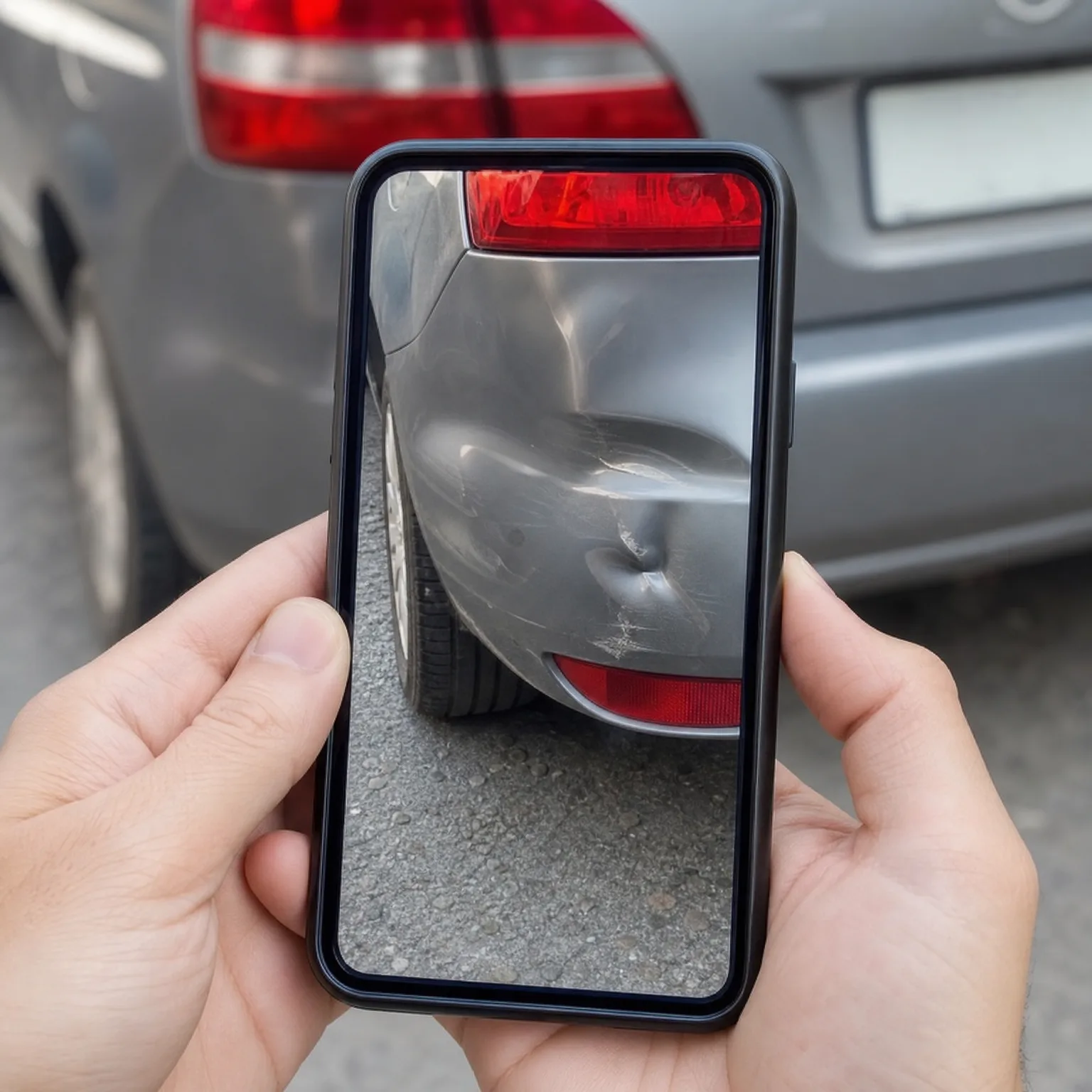
Grandkid Borrows My Car While I Travel
If your grandchild drives your car with permission, you're covered, but extended use while you travel may need reporting first.

A month-long trip, and a car left in the driveway
A grandmother was heading out for five weeks to visit family overseas. Her grandson, who lived nearby and had his own license, agreed to use her car while she was gone, partly to keep it running and partly to get to his job. Before she left, she called her agent to ask one question: was he covered for that whole stretch, or just for the occasional drive she'd allowed in the past.
The agent told her that occasional permitted use was already covered, but since her grandson would be driving regularly for over a month, the insurer wanted him listed as a driver on the policy for that period. She added him, confirmed the cost difference was small, and left knowing that if anything happened, the claim wouldn't be delayed or denied over a question of who was driving. When she came back, she removed him from the policy, and nothing about her own coverage or record had changed.

The short version
Your grandchild is covered to drive your car with your permission, but regular or extended use, like while you're traveling, often needs to be reported to your insurer first. Call before you leave and ask if they should be listed as a driver. That one call protects your coverage if anything happens.
Will my grandchild's driving record or age raise my rates?
It can, but not automatically and not forever. If your grandchild is added to your policy as a regular driver, insurers usually factor in their age and driving history, which can raise your premium while they're listed. A young or new driver typically costs more to insure than an experienced one, simply because of risk, not because of anything specific to your grandchild.
If they're only an occasional permitted driver, most insurers won't ask about them at all, so there's no rate impact. The real risk to your rates comes from a claim, not from the relationship or the listing itself. If your grandchild is careful and nothing happens, your premium stays tied to your own history. Ask your insurer directly how listing versus not listing affects your price, since this varies by company.
Once you know whether your grandchild needs to be listed, compare quotes to see what that coverage actually costs.

Telling your insurer before your trip
If you do
Your insurer confirms your grandchild is properly covered for the time you're away. If there's an accident, the claim moves forward normally, and your own policy stays intact. You travel knowing exactly where you stand, with no surprise gaps or denied claims waiting for you when you return.
If you don't
Your grandchild may still be covered for occasional use, but extended or regular driving without telling your insurer risks a dispute if there's a claim. The insurer may ask why a driver wasn't disclosed, which can delay payment or affect how the claim is handled, right when you need it resolved.
Why permission matters more than the relationship
Car insurance follows the car, not the person driving it, as long as that person has permission. Your grandchild doesn't need to be your child, live with you, or be related at all for your policy to respond when they're driving with your consent. What insurers actually care about is how often and how regularly someone drives the car, because that changes the risk they're pricing for.
Occasional use, like borrowing the car for an errand or weekend, is usually already built into your policy without any changes needed. But when someone drives the car consistently over weeks or months, insurers consider that a real shift in who's using the vehicle day to day. That's why an extended trip changes things. Your grandchild goes from an occasional driver to something closer to a regular one, and your insurer wants that reflected accurately.
This is also where state rules and individual insurer policies genuinely differ. Some insurers are flexible about short-term listings or temporary endorsements, while others have firm thresholds for when a driver must be added. Some states have specific rules about resident relatives versus non-relatives using a vehicle. None of this is something you can assume from general knowledge of how insurance works, so it's worth a direct call rather than a guess.
The exception that trips people up is when a grandchild already lives with you for part of the year, like a summer stay. That living arrangement alone can trigger a listing requirement even without a trip, depending on the insurer. The traveling grandparent's situation and the summer-resident grandparent's situation can require different handling, even though both involve the same grandchild and the same car.