Can My Granddaughter Borrow My Car for a Trip
Yes, she can borrow your car, and your policy covers her as long as you gave permission and she's not on an excluded driver list.
What to check before you hand over the keys
- Permissive use coverage Most policies cover anyone you give permission to drive your car, not just listed drivers. Confirm this with your insurer before the trip so there's no surprise later.
- Occasional driver status If she borrows the car regularly, your insurer may want her added as an occasional driver. Call and ask, since treating a frequent borrower as a one-time guest can cause problems with a claim.
- Her own insurance, if any If she has her own policy, it usually follows her, but yours is typically primary when she's driving your car. Ask your insurer which policy pays first to avoid confusion after an accident.
- Distance and duration matter A long trip or an extended stay can look different to an insurer than a quick local errand. Mention the trip's length when you call, since some insurers treat extended use differently.
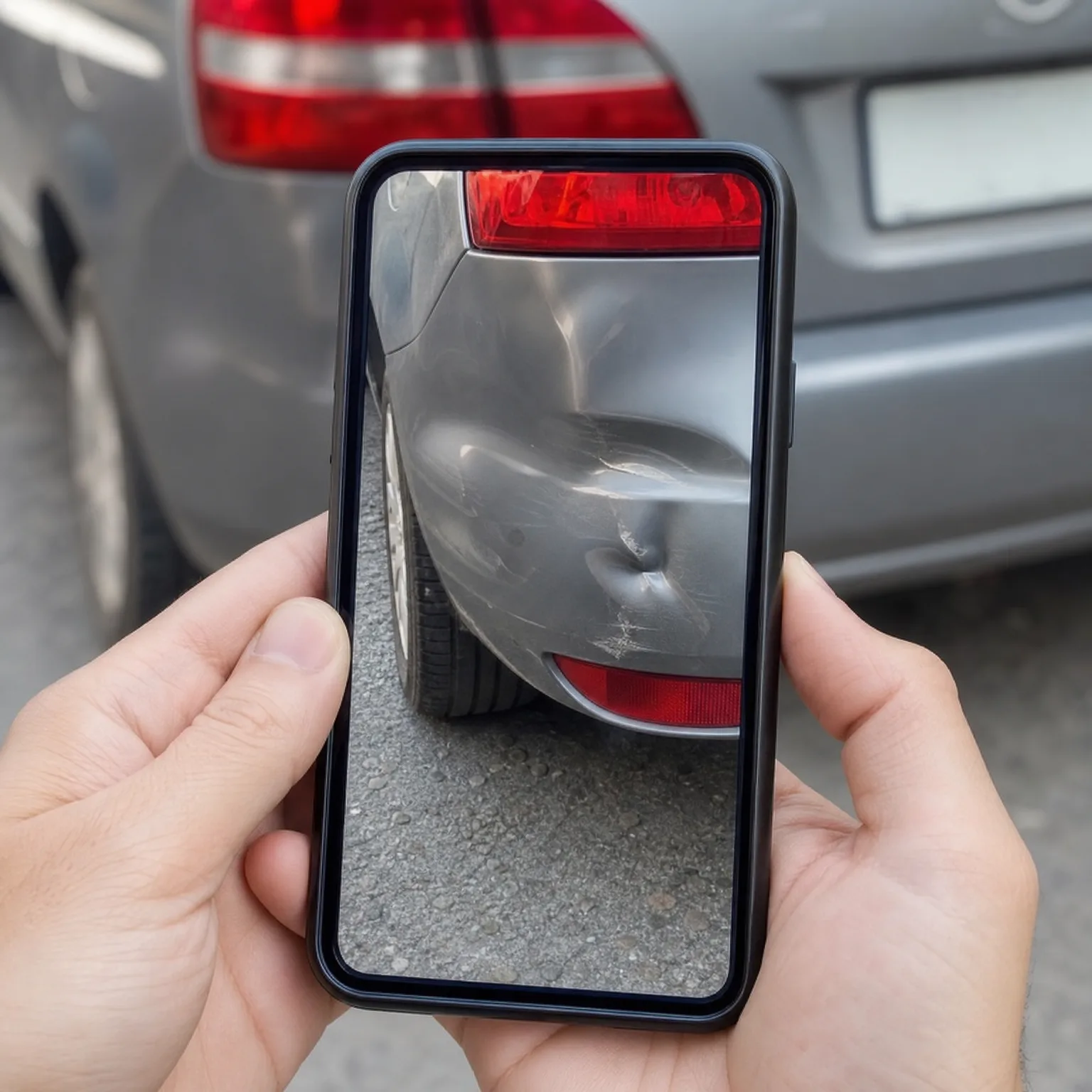
- Your rates after a claim If she causes an accident while driving your car, the claim typically goes against your policy, not hers. Ask your insurer how a claim involving an occasional young driver affects your renewal.
Will my insurance rates go up if she has an accident?
Possibly, and it depends on your insurer and the accident. Since the claim is filed against your policy, it can affect your rates the same way any claim would, especially if your granddaughter is found at fault.
Some insurers weigh this differently depending on how often she drives your car, whether she's a listed driver, and your claims history overall. A single minor incident may not move your rates much, but a larger claim involving injury or significant damage usually will.
This is worth asking your insurer directly before the trip, not after. Ask how an at-fault accident involving an occasional or newly added young driver would affect your next renewal, and whether accident forgiveness or similar protections apply to your policy. Getting a clear answer now means you're deciding with full information, not guessing afterward.
Now that you know how your policy handles this, compare quotes to find coverage that fits.
Why your policy follows the car, not just the driver
Car insurance is built around the vehicle first. Your policy exists to cover losses involving your car, so when you lend it to someone with your permission, that coverage generally extends to them. This is called permissive use, and it's a standard feature of most policies, though insurers can define its limits differently.
The reasoning behind this is simple. Insurers expect that cars get borrowed, by family, friends, or neighbors, and they don't want every loan of a car to require a policy change. But permissive use usually assumes occasional, not routine, borrowing. If your granddaughter visits every summer and drives your car for weeks at a time, that pattern can shift from occasional to something insurers want listed on the policy, especially if she lives with you part of the year.
Where things get more specific is state law and individual insurer rules. Some states have stricter definitions of who counts as a household member for insurance purposes, which can affect whether she needs to be listed. Some insurers also exclude certain drivers by name, so if you've ever excluded anyone from your policy, check that she isn't on that list by mistake.
The other variable is her own driving history. If she already has a history of violations or accidents, some insurers may ask more questions or charge differently once they know she's regularly driving your car, even under permissive use. None of this means you shouldn't lend her the car. It just means a short call to your insurer before the trip turns guesswork into certainty.
The real risk isn't whether she's covered, it's finding out how a claim affects you too late.
Does my granddaughter need her own insurance to drive my car?
No, not necessarily. If she's borrowing your car occasionally with your permission, your policy's permissive use coverage typically applies, regardless of whether she has her own policy. The exception is if she lives with you regularly or drives your car often, in which case your insurer may want her listed. Check with your insurer about where the line is between occasional and regular use, since that threshold varies.
What if my granddaughter gets a ticket while driving my car?
A ticket typically goes on her own driving record, not yours, since she was the one driving. It generally won't affect your insurance directly unless it leads to an accident or claim. However, if she's a frequent driver of your car, repeated tickets could affect how your insurer views the risk of covering her, so it's worth asking how your insurer treats this situation specifically.
Should I add my granddaughter to my policy for a summer visit?
It depends on how long she's staying and how often she'll drive. A short visit with occasional driving usually falls under permissive use, but an extended summer stay with regular use often crosses into territory where insurers want her listed. Ask your insurer where that threshold sits, since definitions of 'occasional' differ, and getting it wrong could affect a claim.