Do I Pay After I Hit My Deductible
Yes, your deductible is just the first part. What happens after it depends on how much the claim actually costs.
Your deductible is a slice of the bill, not the whole bill
The deductible is the amount you agree to cover before your insurer pays anything on a claim. Once you hit it, the insurer starts paying its share, but that doesn't mean your spending stops. If the repair or medical cost goes beyond what your coverage limit pays, you're responsible for the rest.
Think of it in two separate pieces. The deductible is a fixed number you pay once per claim. The coverage limit is the ceiling on what the insurer will pay for that claim, and if the total cost goes above that ceiling, you cover the difference yourself.
This matters most with a grandchild driving, because young drivers are often in cars with older bodywork or borderline value, and a crash can also involve another person's car or injuries. Liability coverage especially has limits that can get used up fast if the damage or injury is serious, and whatever is left over becomes your bill or theirs.
What changes this is the type of coverage involved. Liability, collision, and medical payments each have separate limits and separate rules for what counts toward them. Check your policy or ask your agent which limits apply to a grandchild driving your car, since that's where the real exposure sits, not in the deductible itself.

What decides if you owe more than the deductible
- Your coverage limit This is the most your insurer pays per claim. If repairs or injuries cost more than that limit, you cover the rest yourself.
- Liability versus collision Liability covers the other person's car or injuries, collision covers yours. Each has its own limit, so check both separately.
- Who was driving matters If your grandchild is a regular driver of your car, make sure they're listed on your policy so a claim isn't denied or reduced.
- Multiple people hurt or damaged One crash can create several claims at once, each drawing from the same limit. That can use up coverage faster than expected.
- Umbrella coverage as a backstop If your limits are low relative to what a serious crash could cost, ask about added liability coverage that sits above your normal policy.
What happens if the damage costs more than my coverage limit?
You pay the difference out of pocket. The insurer pays up to the limit stated in your policy, and once that's used up, any remaining repair costs, medical bills, or legal judgments become your responsibility.
This is the real risk with a young driver behind the wheel, more than the deductible ever is. A serious crash involving injuries or a newer car can run well past a typical liability limit, especially if more than one person is hurt.
If you're worried about this, the fix isn't avoiding the deductible question, it's checking whether your liability limits are high enough for what could realistically happen, and considering added coverage if they're not.
Compare quotes now that you know your coverage limit, not the deductible, is what really protects you.
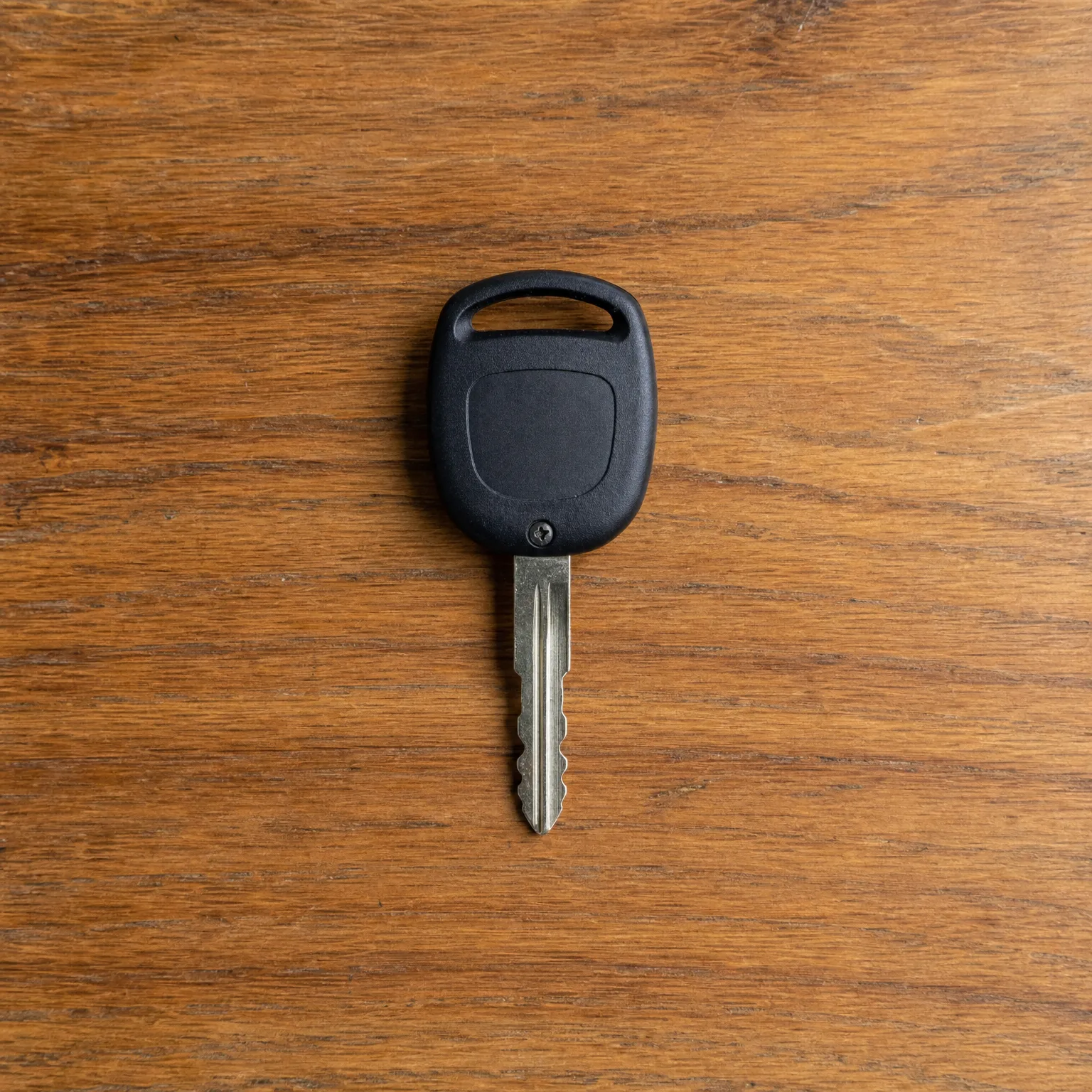
A grandchild borrows the car for the summer and causes a crash
A grandmother let her grandson drive her older sedan while he worked a summer job before college. He wasn't living with her, just staying a few months, so she hadn't thought to call her insurer about it. One afternoon he rear-ended another car at a stoplight, causing moderate damage to both vehicles and a minor injury to the other driver.
She paid her deductible, and her insurer covered the rest of her car's repair up to her collision limit. But the other driver's medical costs and car repair came out of her liability coverage, and the total came close to her limit. Because she'd kept her liability coverage reasonably high, it covered the full amount, with nothing left for her to pay beyond the deductible. She also learned that because her grandson had been driving regularly for months, he should have been listed as a driver on her policy, so she added him right away to avoid any issue with future claims.
The deductible is the smallest number here. Your coverage limit decides what you're actually risking.
Does my grandchild need to be listed on my car insurance policy?
Yes, if they drive your car regularly or live with you, insurers generally expect them listed as a driver. This affects whether a claim gets paid in full. A one-time or occasional use is usually fine without listing them, but ask your insurer where that line falls, since it varies by company and by how often they're driving.
Will letting my grandchild drive raise my insurance rates?
It can, especially if they're added as a regular driver on your policy, since young drivers typically cost more to insure. The increase depends on their age, driving record, and how often they drive your car. Ask your insurer for a quote with them added before deciding, so you know the real cost rather than guessing.
Is my grandchild covered under my policy or their parents' policy?
It depends on where they live and whose car they're driving most often. If they live with their parents and only borrow your car occasionally, their parents' policy may still apply too. Check with both insurers to confirm there's no gap, especially if your grandchild splits time between households.