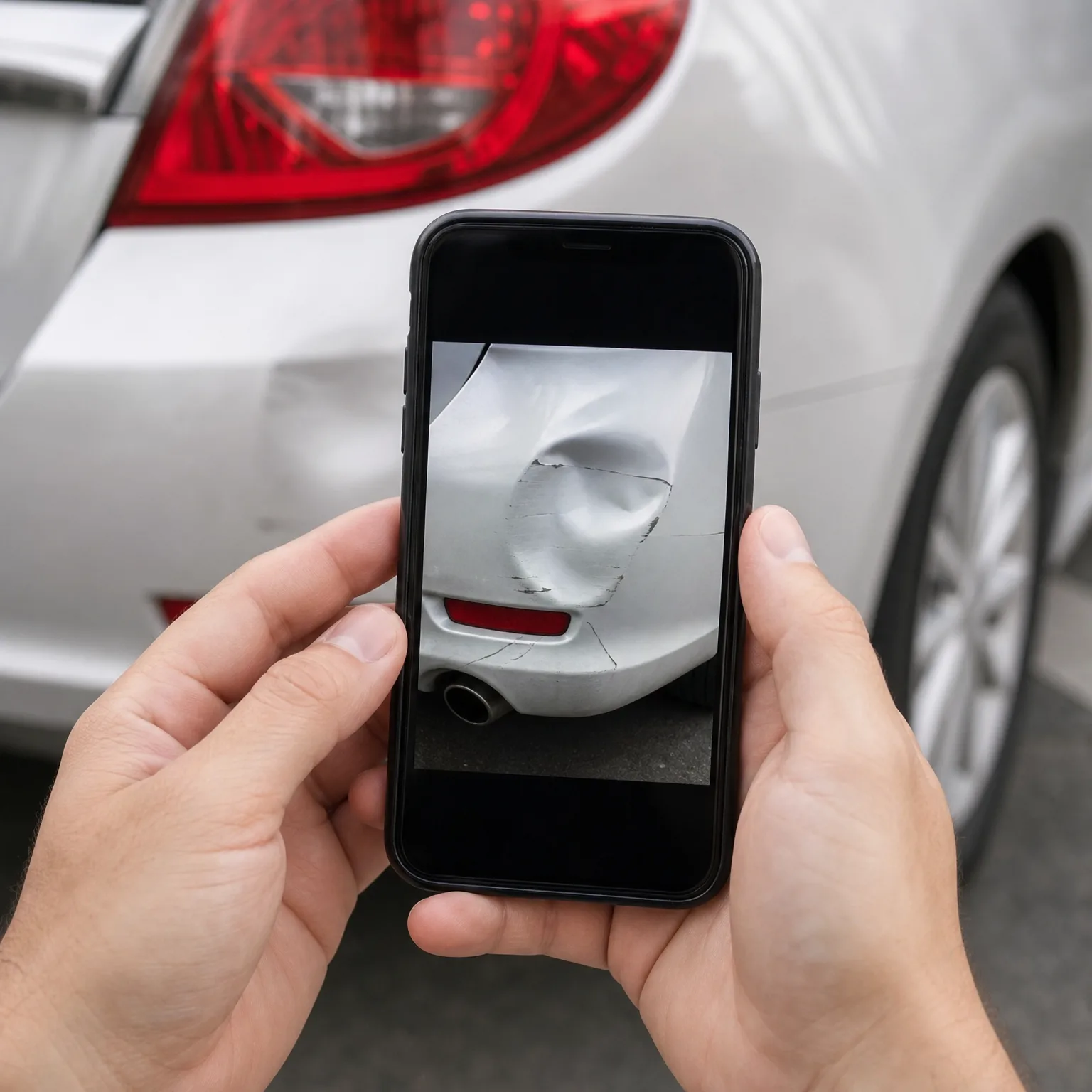
Do I Have to Pay My Deductible if I Got Hit
If the other driver caused the crash, you generally don't pay a deductible, though you may front it until fault is confirmed.
A grandchild gets rear-ended at a stoplight
Say your grandchild is driving your car and another driver rear-ends them at a stoplight. The police report names the other driver at fault. Your grandchild calls you, shaken but unhurt, and you're not sure whether this is going to cost you money or raise your rates.
You file the claim with your own insurer first, since that's usually faster, and your insurer pays to fix the car without collecting your deductible up front because fault is clear. Your insurer then goes after the other driver's insurer to recover the cost, including your deductible, and refunds it to you once that's settled. If you'd rather not front anything at all, you can instead file directly with the other driver's insurer, which skips your deductible entirely but often moves slower. Either way, because your grandchild wasn't at fault, this claim shouldn't affect your rates the way an at-fault claim would.
What if the other driver has no insurance or not enough?
This is where it gets more complicated. If the at-fault driver can't pay, your deductible may end up applying after all, unless you carry uninsured or underinsured motorist coverage, which many policies include or offer as an option.
That coverage is built for exactly this situation. It lets your own insurer pay out as if the uninsured driver had coverage, and in some states it can also cover your deductible. Check your policy documents or ask your insurer directly whether you carry this coverage and how it applies to the deductible, since this varies by state and by insurer.

Now you know how fault and your deductible work together, so compare quotes to see how insurers handle claims like this.

Filing through your own insurer versus the other driver's
If you do
If you file through your own insurer, repairs usually start faster and you deal with a company you already know. You may pay your deductible upfront and wait for reimbursement once your insurer recovers costs from the at-fault driver's insurer, which can take time depending on how clear fault is.
If you don't
If you file directly with the other driver's insurer instead, you skip paying your deductible entirely. But that insurer has no obligation to move quickly, and claims can stall if they dispute fault or drag out the investigation, leaving your grandchild without a car longer.

What decides whether you pay anything out of pocket
- Who was at fault If the other driver caused the crash, you generally shouldn't end up paying your deductible permanently. Check the police report and any fault determination before deciding how to file.
- Which insurer you file with Filing with your own insurer may mean fronting the deductible temporarily. Filing with the other driver's insurer skips that, but often moves slower.
- State fault rules Some states assign fault differently, which changes who pays first. Ask your insurer how your state handles liability claims.
- Uninsured driver coverage If the other driver has no insurance, your deductible may apply unless you carry uninsured motorist coverage. Check your policy for this before an accident happens, not after.
- Your grandchild's listed status How your grandchild is listed on your policy can affect how the claim is processed. Confirm this with your insurer so there's no surprise mid-claim.
Why the deductible depends on who caused the crash
Your deductible exists to cover your own insurer's cost when you're the one responsible for damage, or when fault isn't yet clear. It's not a universal fee charged on every claim. When someone else clearly caused the accident, the financial responsibility shifts to them and their insurer, which is why your deductible often doesn't apply in the end.
The complication is timing. Claims take time to investigate, and insurers sometimes pay out first and sort out fault later. Your own insurer may ask you to pay the deductible up front simply to get repairs moving quickly, then recover that money later from the at-fault driver's insurer through a process called subrogation. Once that recovery happens, your deductible is typically refunded.
This is also where state rules matter. Some states use a system where fault is split by percentage, which can affect how much you're reimbursed if you're found even partly responsible. Other states handle it more simply, with the at-fault party bearing the full cost. Ask your insurer how your state's rules work before you assume a quick refund is guaranteed.
The other major variable is whether the at-fault driver actually has insurance, and enough of it. If they don't, your deductible may stick unless you have uninsured or underinsured motorist coverage, which exists specifically to protect you in that gap. This is why knowing what coverage you carry matters more than knowing who's usually at fault in an accident like this.