Can Insurance Kick You Off for Too Many Claims
Yes, an insurer can drop you after multiple claims in a short span, especially if a grandchild driving your car adds crashes to your record.
Free to compare
A grandmother adds her grandson, then files two claims in a year
A grandmother let her grandson drive her car while he lived with her for the school year. He was in a minor fender bender in the fall, then backed into a post in the spring. Both went through her policy because the car was hers. After the second claim, her insurer sent a non-renewal notice, meaning they wouldn't renew her policy when the term ended.
She hadn't realized that two claims in close succession, even small ones, could trigger that even though she'd been a customer for years with no prior claims. She called her insurer to confirm the reason, then shopped for a new policy before the non-renewal date so there was no lapse in coverage. She also decided to list her grandson as an excluded driver on the new policy and have him get his own coverage for occasional use, so future incidents wouldn't land on her record again.
The short version
Yes, insurers can non-renew or cancel you for too many claims, usually multiple claims within a short period. It happens because claims history predicts future risk, and a young driver on your policy adds to that history. Check your renewal notice for the reason, and if a grandchild drives your car often, ask about listing them separately.
Does a grandchild's accident count even if they weren't at fault?
Usually, yes, at least in the sense that the claim still appears on your record even if fault doesn't affect your rate increase. Insurers track claim frequency separately from fault. A not-at-fault accident still shows as an incident tied to your policy and your car, and enough incidents in a short window can still trigger a non-renewal review.
Some insurers weigh at-fault and not-at-fault claims differently when deciding whether to drop you, and some states limit how insurers can use not-at-fault claims against you. Check your policy documents or ask your insurer directly how they count these. If your grandchild drives often, this is worth knowing before, not after, something happens.
Compare quotes now so you already know your options if a grandchild's driving ever puts your current policy at risk.

Letting a grandchild drive your car regularly
If you do
Any accident they have becomes a claim on your policy and your record. If claims add up, even small ones, your insurer may raise your rate sharply or decline to renew you. You'll need to shop for new coverage, possibly at a higher cost, and explain the claims history to new insurers.
If you don't
Your own driving record and claims history stay clean regardless of how your grandchild drives elsewhere. If they need to drive sometimes, you can look into adding them as a listed driver with limits, or having them carry their own policy, which keeps their driving separate from yours.
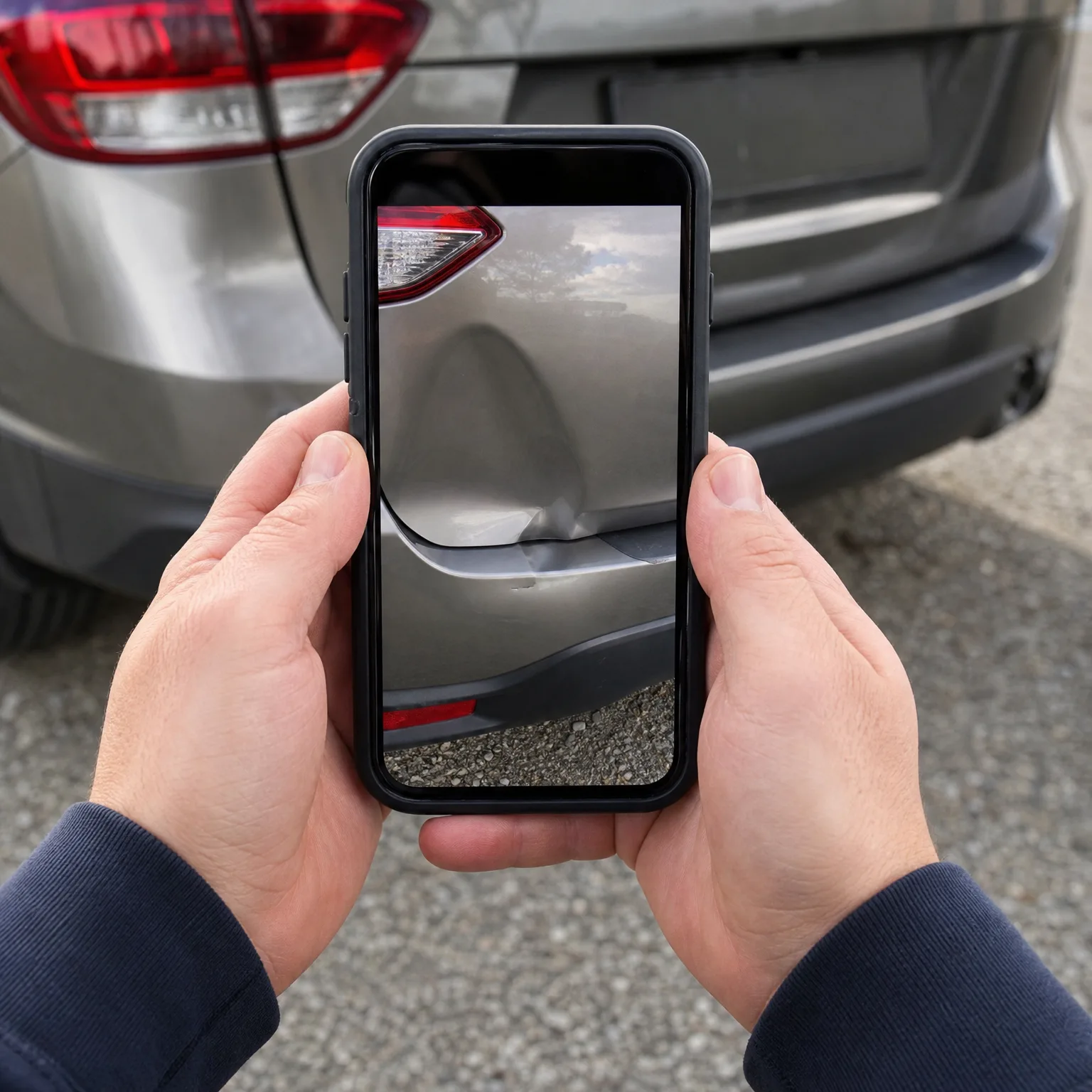
What actually gets you dropped after claims
- Frequency over cost Two or three claims in a short period raises more concern for insurers than one large claim. Space out non-urgent claims or pay small ones yourself if you can afford to.
- Your name, your record If the car is registered and insured in your name, claims from anyone driving it go on your record. Consider insuring a car separately if a grandchild drives it most of the time.
- Non-renewal versus cancellation Non-renewal means they won't renew your term, while cancellation ends coverage right away and is harder to get. Ask which one applies to you and how much notice you're guaranteed.
- Shopping resets your options A non-renewal from one insurer doesn't mean every insurer will refuse you. Start shopping as soon as you get a notice, don't wait until the last day.
- Exclusion limits the risk You can often exclude a grandchild from your policy so their driving doesn't affect your claims history. Ask what exclusion means for coverage if they drive your car anyway.

Your policy reacts to whoever drives your car, so decide who's listed before an accident decides it for you.