Whose Insurance Covers an Accident in a Borrowed Car
The car's insurance pays first, which in a borrowed-car accident usually means your policy, not your grandchild's parents'.
Free to compare

A summer visit, a fender bender, and who actually paid
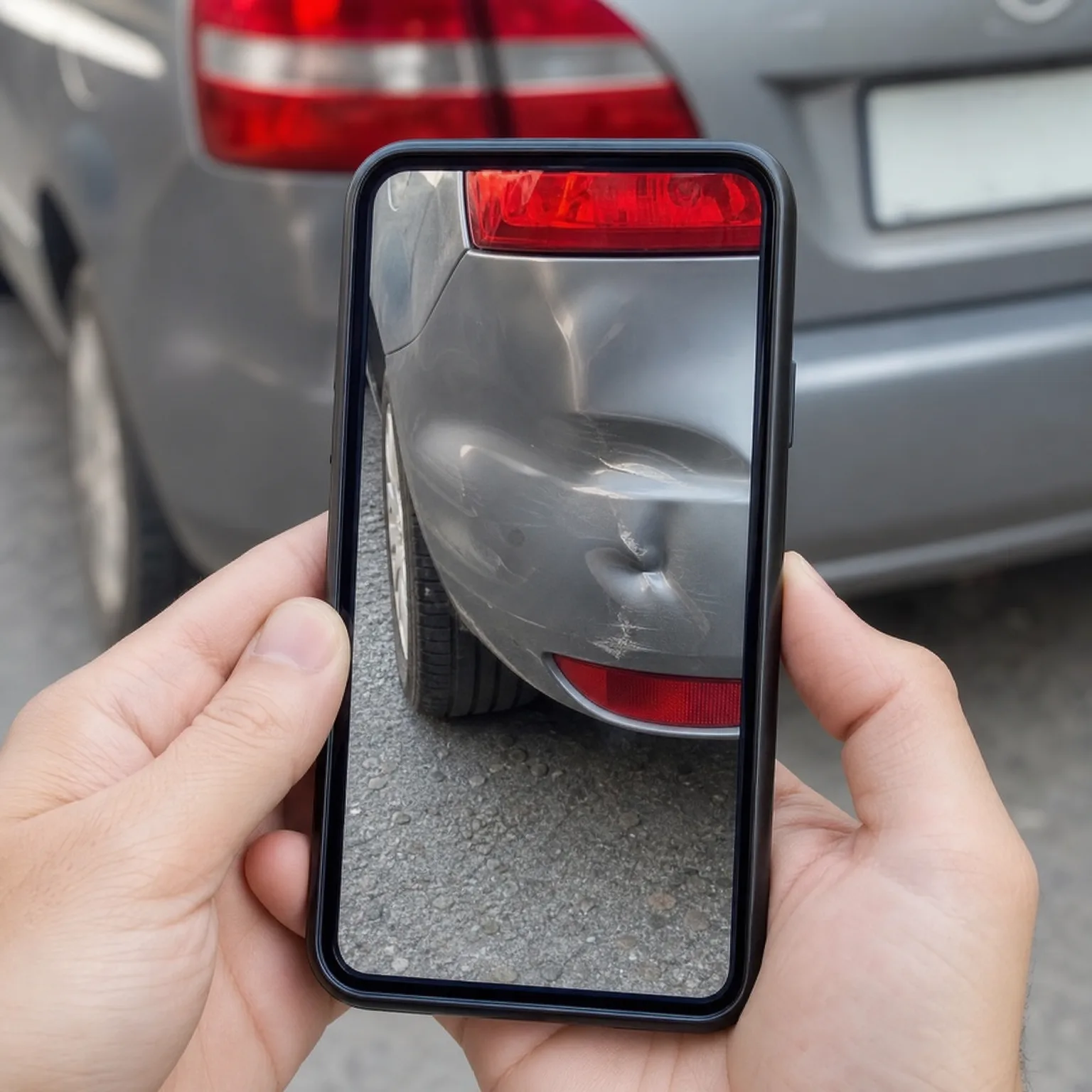
Your granddaughter spends summers with you and borrows your car to get to her job at the ice cream shop. One afternoon she backs into a parked car in the lot. No one is hurt, but both bumpers need work. She calls you first, panicked, asking if her parents' insurance has to cover it since she's technically still on their policy at home.
It doesn't work that way. Because she was driving your car with your permission, your policy is the one that responds. You file the claim under your coverage, your insurer pays the other driver's repair and handles your car's damage too, minus your deductible. Her parents' policy never gets involved unless the costs go beyond what your coverage pays out, which didn't happen here. Your rates may rise at renewal, but the claim itself was yours to make, and knowing that ahead of time meant no scrambling over whose insurance to call.
Will letting my grandchild drive raise my own insurance rates?
It can, especially if they drive often or have little driving history, but it depends on how your insurer treats occasional versus regular drivers on your policy.
A young driver who borrows your car once in a while is a smaller rating factor than one who's listed as a regular driver on your policy. If your grandchild lives with you or drives several times a week, most insurers expect you to list them, and that typically raises your premium more than occasional use would. If they only drive a handful of times a year, some insurers barely adjust the rate at all. Ask your insurer directly how they classify your grandchild's use before anything happens, not after, so you know what you're actually signing up for.
Coverage follows the car, not the family tie, so what matters is whose name is on the title.
Once you know your policy covers the car your grandchild drives, compare quotes to see what that protection costs.

Deciding whether to let your grandchild drive your car
If you do
Your policy becomes primary coverage for any accident, so you're exposed for your deductible and a possible rate increase at renewal. If your grandchild drives regularly, most insurers want them listed, which raises cost but keeps coverage valid. You get to help someone you care about get where they need to go.
If you don't
You avoid any change to your rates or risk exposure, and your policy stays exactly as it is. Your grandchild has to find another way to get around, whether that's their parents' car, a policy of their own, or public transit. You skip the conversation about permission, listing, and who pays if something goes wrong.
Does my grandchild need their own insurance if they drive my car sometimes?
Not necessarily, if they're driving with your permission and your policy covers permissive use, which most policies do. Occasional borrowing is usually fine under your existing coverage.
The situation changes if your grandchild drives often, has moved in with you, or has their own car at your address. At that point many insurers expect them listed on your policy or carrying their own coverage. Ask your insurer where that line falls, since it varies by company.
What happens if my grandchild gets in an accident and I'm not in the car?
Your policy still responds the same way, since coverage follows the car and whoever has your permission to drive it, not whether you're a passenger. The claim process looks identical to any other accident involving your vehicle.
What matters is whether your grandchild had permission at the time, which protects you from questions about unauthorized use. If they took the car without asking, some insurers may dispute coverage, so a clear verbal or written understanding about when they can drive helps avoid that problem entirely.
Should I add my grandchild to my policy or have them get their own?
It depends on how often they drive and whether they have other options, and there's no single right answer for every family. Adding them to your policy is often simpler and cheaper if they drive your car regularly and don't own a vehicle themselves.
A separate policy makes more sense if they have steady income, their own car, or want to start building their own driving and insurance history. Ask insurers how each option prices out for your specific situation, since the difference varies by company and by state.