What Should Be a Teenagers First Car
The best first car is an older, modest, mid-size car with strong safety ratings, not something small, fast, or brand new.
Why boring, older cars protect everyone involved
Insurers price a car by how likely it is to be in a claim and how much that claim costs. A young driver already raises the odds of a claim. Pair that with a small car, a sports trim, or a high-value new vehicle, and the cost to insure it climbs further, because repair costs, injury risk, or theft rates are all higher for those vehicles.
A mid-size sedan or SUV that's a few years old tends to have lower repair costs, well-understood safety ratings, and a calmer insurance profile. That matters because the car itself, not just the driver's age, is one of the biggest factors in what the policy costs. Choosing a car like this won't erase the effect of adding a teen driver, but it keeps that effect from compounding.
There are cases where this logic shifts. If you're handing down a car you already own and it's paid off, the question becomes less about which car to buy and more about whether to keep it titled and insured in your name or transfer it. If the grandchild will drive only occasionally, a less powerful car matters less than how the policy itself is structured, since limited use can sometimes be reflected in how the car is rated.
What counts as a safe, affordable car to insure can vary by insurer and by state, since safety ratings, theft statistics, and repair cost data get weighted differently. Ask any insurer you're considering how they'd rate the specific car you have in mind before you decide.
What to weigh before picking the car
- Safety ratings Look up crash-test and safety ratings for the exact model and year. Higher ratings often mean lower injury claims, which can keep costs more stable.
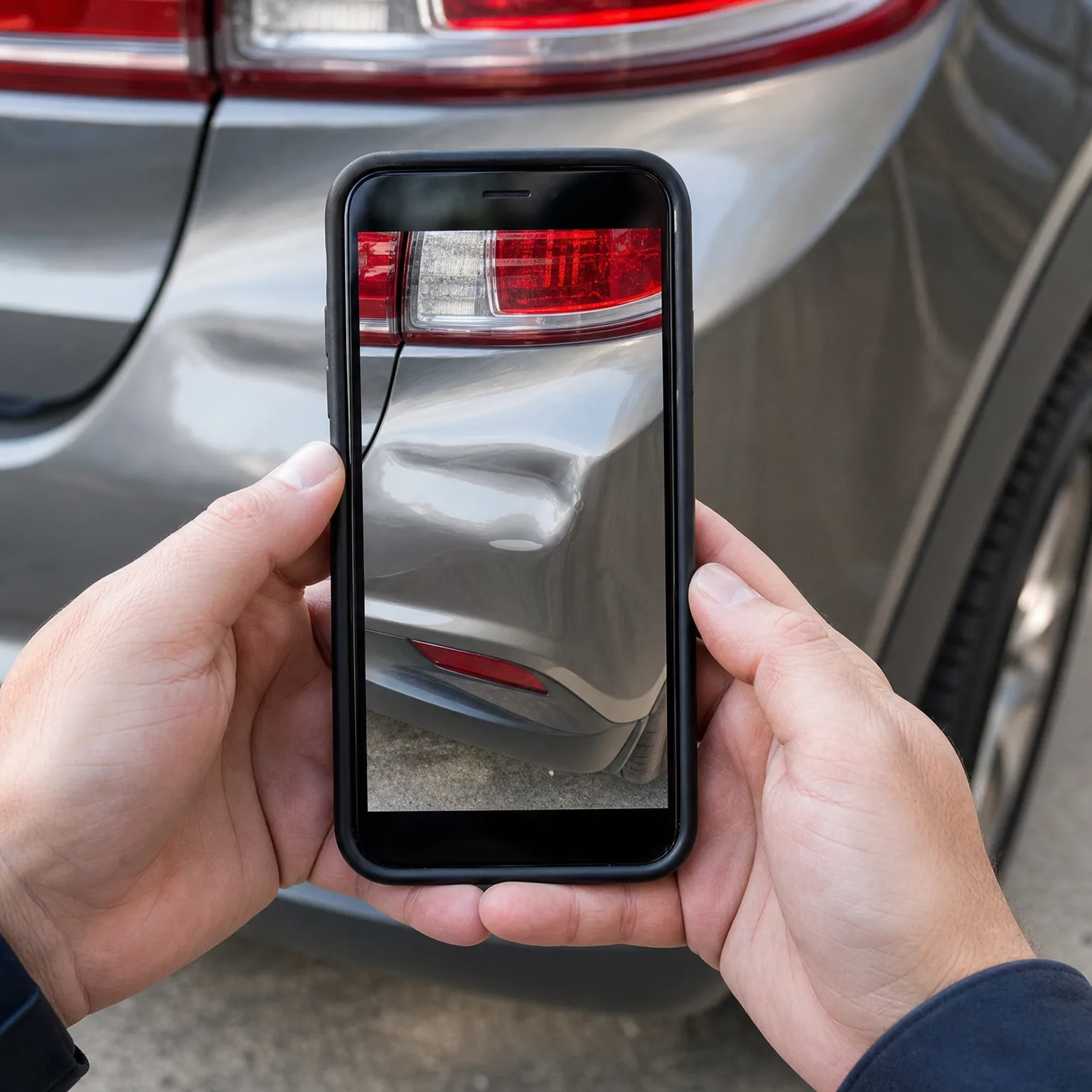
- Repair cost history Some models are expensive to fix even after a minor crash. Ask an insurer or mechanic how parts and labor run for that make and model.
- Horsepower and trim Higher-performance trims usually cost more to insure for a young driver. A base or mid-level trim is usually the calmer, cheaper choice.
- Age and value of the car An older, lower-value car costs less to insure for damage coverage. Decide whether that coverage is even worth carrying on an older car.
- Who will own and title it Whether the grandchild, the parents, or you own the car affects whose policy it sits on. Settle this before shopping for insurance, not after.
Once you've picked the kind of car, compare quotes to see how that choice actually plays out in cost.

Choosing a safe, older car over something flashier
If you do
You give the teen a forgiving car to learn in, with lower repair costs and steadier insurance pricing. If something goes wrong, the financial and insurance fallout is usually smaller and easier to absorb, and the policy is less likely to swing sharply at renewal.
If you don't
A smaller, sportier, or newer car raises the cost of insuring a new driver and raises what's at stake in a crash. Repairs cost more, injury risk can be higher, and insurers price all of that in, which often means a bigger jump in premium than the car's price alone suggests.

A grandparent deciding between two cars for a grandchild
A grandmother had an old sedan sitting unused and was also considering buying her grandson a small used hatchback he liked. Before deciding, she asked an insurer to compare what it would cost to add him to her policy under each car. The sedan was a few years older, had a strong safety rating, and was worth very little, while the hatchback was sportier and more expensive to repair.
The quotes showed a real difference, not just in price but in how much the policy would shift if he were ever in an accident. She decided to give him the sedan, drop collision coverage on it since it wasn't worth much, and keep liability high since he was a new driver. A year later he was in a minor fender bender. Because the car was low value and the coverage was set up with that in mind, the claim was simple and the next renewal stayed close to what she'd expected.
Does the car matter more than the driver for insurance cost?
No, the driver matters more, but the car still has real weight. A young, inexperienced driver raises the baseline cost of insurance no matter what they drive, because inexperience itself is the biggest risk factor insurers see. The car then acts as a multiplier on top of that baseline, either softening the impact or making it worse.
That's why the right car choice won't make a teen driver cheap to insure, but the wrong one can make an already expensive situation significantly more so. Think of the driver as the starting point you can't change and the car as the lever you still have some control over.