What Is an Example of Negligent Entrustment
Negligent entrustment means you knew or should have known the driver was risky, and let them drive your car anyway.
Free to compare
It comes down to what you knew before you handed over the keys
Negligent entrustment is a legal claim separate from ordinary liability. Ordinary liability asks who caused the crash. Negligent entrustment asks whether you, as the car's owner, acted responsibly by letting that particular person drive it. The two can be argued side by side after an accident, and insurers and courts treat them differently.
What matters is what you knew or reasonably should have known at the time you gave permission. If a grandchild had a suspended license, a pattern of tickets, a history of accidents, or was visibly impaired and you handed over the keys anyway, that knowledge is the center of the claim. A clean record and a reasonable decision to let them drive, even if they later cause a crash, usually doesn't meet this bar. Being young or inexperienced alone isn't negligent entrustment. The question is whether you had actual warning signs and ignored them.
This matters for you because you're the titled owner of the car. If your grandchild causes a serious crash, an injured party's attorney may look past the young driver, who often has limited assets, and look at you instead. That's a separate exposure from your premium going up. It's about whether your own assets could be reached in a lawsuit.
How this plays out varies by state. Some states have specific statutes defining negligent entrustment and family car doctrines that affect it further. Others rely on general negligence law built up through court decisions. Check how your state treats owner liability for a driver who isn't your child, since the rules for family members can differ from the rules for anyone else you'd lend a car to.

These situations tend to trigger the claim
- Known suspended license If you knew the grandchild's license was suspended or revoked and let them drive anyway, this is the clearest version of the claim. Confirm their license is valid before handing over keys.
- History of serious violations A pattern of reckless tickets or prior at fault crashes you knew about can support the claim. Ask directly about their driving history before deciding.
- Visible impairment at the time Letting someone drive while drunk, high, or obviously exhausted counts even if it's a one time lapse. Stop the keys from leaving your hand in that moment.
- No license at all Letting an unlicensed or permit only grandchild drive alone is a straightforward example. Check what your state requires for supervised driving before allowing it.
- Known medical condition If you knew about a seizure disorder or similar condition affecting driving safety and said nothing, that knowledge can be used against you. Have an honest conversation first.
Can I be sued even if my grandchild is the one driving, not me?
Yes. Negligent entrustment is a claim against you as the owner, not against the driver. It exists specifically because the driver who caused the crash often doesn't have enough assets or insurance to cover a serious injury, so an injured party's attorney looks for another source of recovery. If you're the titled owner and the facts support the claim, you can be named in the lawsuit directly, separate from whatever your grandchild is responsible for.
This is why the decision to hand over your keys is worth thinking through, not just assumed. It's also why your own auto policy and umbrella coverage matter here, since they're what would respond if this kind of claim is made against you specifically.
Once you've decided how you'll handle lending your car, compare quotes that reflect that decision.

Deciding whether to ask about their driving history first
If you do
You ask directly about tickets, suspensions, or recent close calls before handing over keys. If something comes up, you can set conditions or say no. If a crash happens later, you have a real answer when asked what you knew, which protects you.
If you don't
You hand over the keys without asking, assuming everything is fine. If your grandchild turns out to have a suspended license or a history you didn't know about, you can't claim ignorance helped you. A later claim will focus on what you should have asked.
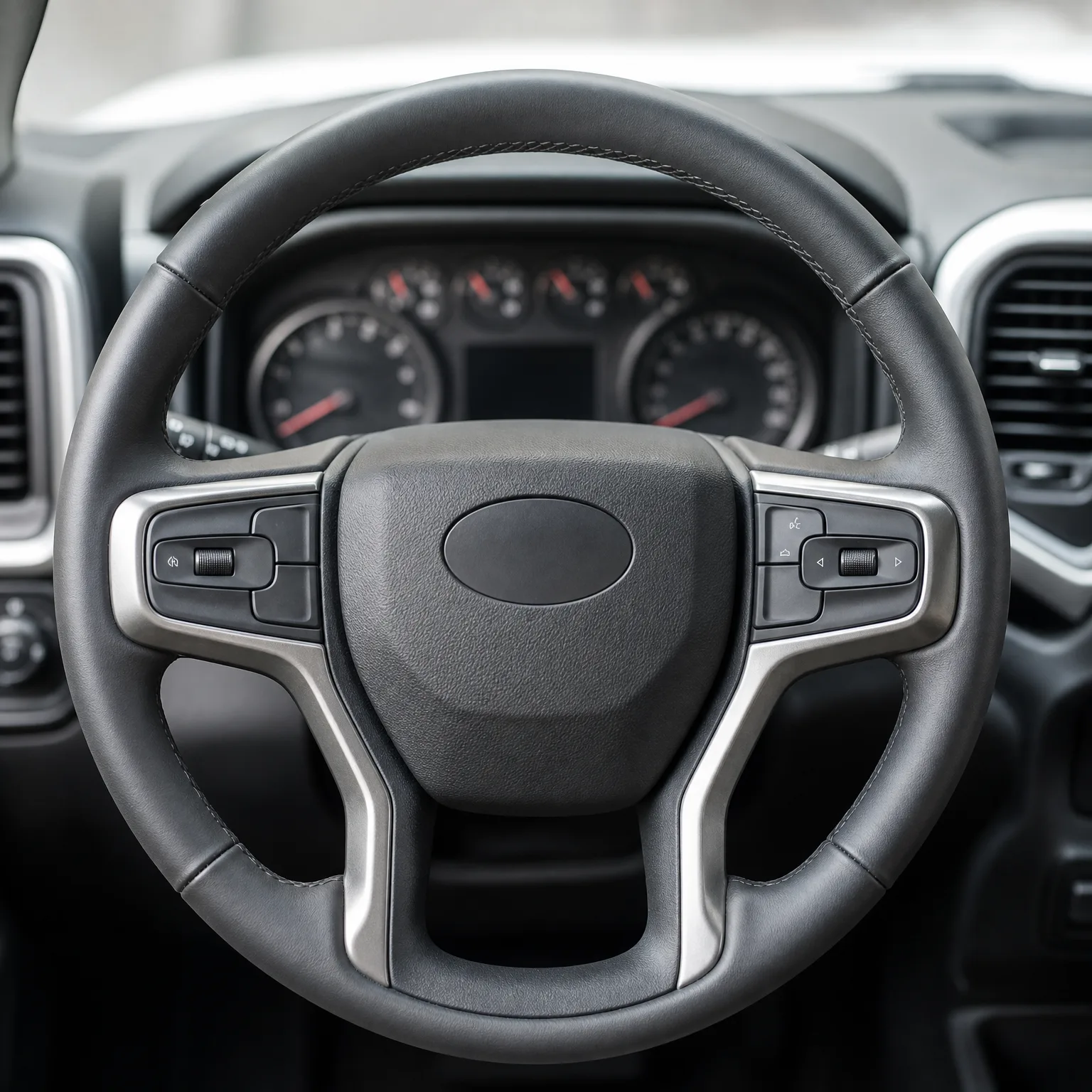
A grandfather lending his truck for the summer
A grandfather let his seventeen year old grandson use his pickup truck for the summer while the grandson worked a landscaping job nearby. The grandfather knew the boy had gotten two speeding tickets in the past year and had been in a minor fender bender a few months earlier, but he didn't ask about any of it before handing over the keys. He figured it was normal teenage stuff.
A few weeks in, the grandson ran a stop sign at speed and hit another car, seriously injuring the other driver. The injured driver's attorney learned about the prior tickets and the earlier accident during discovery, and argued the grandfather knew his grandson was a risky driver and lent him the truck anyway. Because the grandfather was the titled owner and had that knowledge, the case against him personally moved forward alongside the case against his grandson, and his own assets became part of the exposure the lawsuit was reaching for.