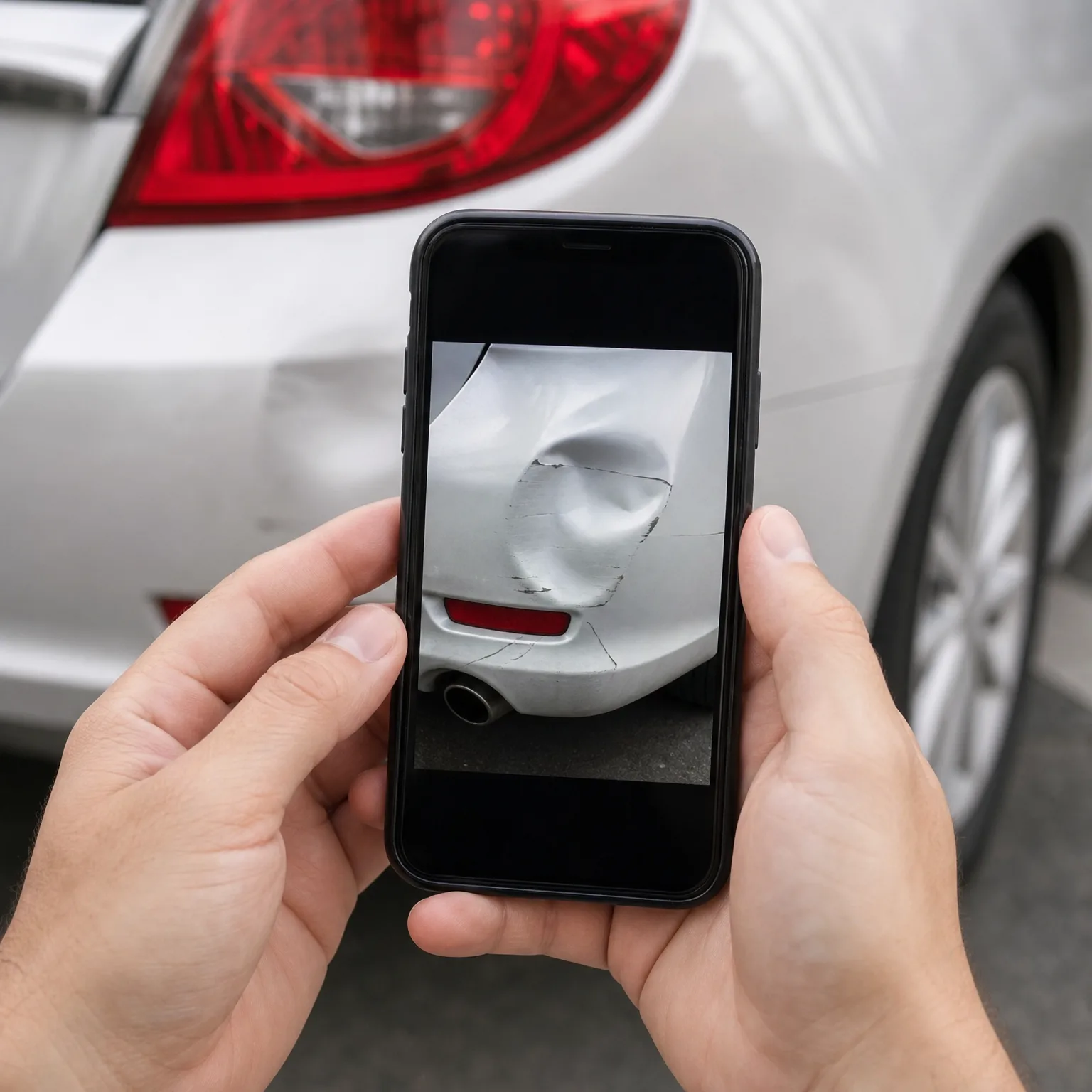
What Insurance Is Cheapest for Teen Drivers
Adding your grandchild to your own policy is almost always cheaper than any standalone policy they could buy on their own.
Cheap only happens when joined to an established policy
Insurers price risk, and a new driver with no history is the biggest unknown they price for. A standalone policy for a teenager, bought alone, prices that risk with nothing to balance it against. Your policy already has years of driving history, claims history and loyalty behind it, so the insurer spreads the new risk across that whole record instead of starting from zero.
This is why adding a grandchild to your existing policy almost always costs less than any policy they could get on their own, even accounting for the increase to your premium. The insurer isn't pricing the teen in isolation. They're pricing one household risk that now includes a new driver, and your long record softens that.
What changes the math is who technically owns the car and who's listed as the primary driver. If the car is titled in your name and you're the primary driver with your grandchild as occasional or secondary, the cost stays closer to your rate. If your grandchild becomes the primary driver of a car, some insurers treat that closer to them having their own policy, even if it's listed under yours.
State rules and individual insurer rules both affect this, so ask directly how your insurer classifies a grandchild driver versus a child driver, since the two aren't always treated the same. Some insurers have specific discounts for good students or driver's ed that apply regardless of the relationship, and those are worth asking about by name.
A grandchild moving in for senior year needs a car to get to school
Say your grandchild comes to live with you for their last year of high school, and the nearest school is too far to walk. You own an older sedan you rarely drive anymore, so the plan is to let them use it. Before anything else, you call your insurer and ask what changes if a new teenage driver is added as a driver on your existing policy, using that specific car.
The insurer asks whether your grandchild will be the primary driver of that car or just an occasional driver sharing it with you. Because they'll be driving it daily to school, they're listed as primary, but the policy stays in your name with your long history attached. Your premium goes up, but you ask about a good-student discount since your grandchild has strong grades, and that offsets some of the increase. You end up with one combined policy covering both of you, at a lower total cost than if your grandchild tried to insure the car separately under their own name.
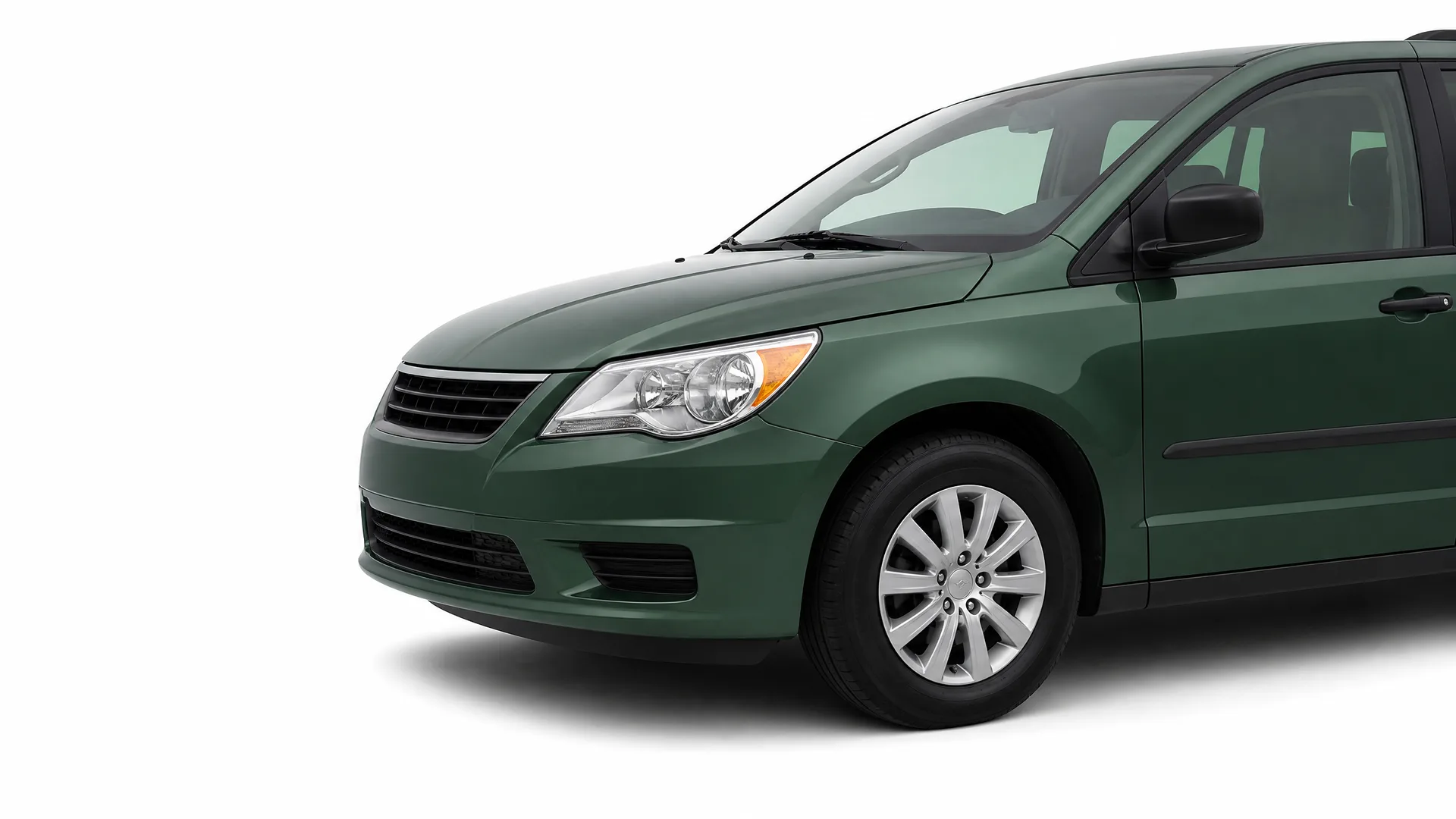
The real decision isn't whether to let them drive, it's whose name the car and the policy sit under.
Once you know how you want the car and the driver listed, compare quotes to see what that choice actually costs.
Will my own insurance rates go up if I add my grandchild?
Yes, almost certainly, because any new young driver adds risk to the policy regardless of the relationship. The size of the increase depends on how your insurer weighs age, driving record, and whether your grandchild is primary or occasional driver of a given car.
What it won't usually do is wipe out the safe-driving history or loyalty standing you've built, since that's tied to you as the long-term policyholder, not erased by adding someone new. Ask your insurer directly how long an increase typically lasts and whether it changes as your grandchild gains driving experience. Some insurers reassess after a year or two, others keep the rate fairly steady until the driver has a few years of clean history to show.

Does my grandchild need their own car insurance or can they just drive mine?
They can usually drive yours if they're listed as a driver on your policy, but they can't be covered long-term if they're regularly driving without being listed. Occasional use with permission is often fine unlisted for a short visit, but if they're living with you or driving often, insurers expect them added. Ask your insurer where that line falls, since it varies by company and by state.
What happens if my grandchild has an accident while borrowing my car?
Your policy pays first, since the car is insured under your name regardless of who's driving with permission. Your liability and collision coverage respond to the claim, and a claim like this can affect your future rates even though your grandchild was driving. Check whether your policy has an occasional-driver exclusion, since some policies won't cover unlisted drivers at all in a serious accident.
Should my grandchild be on my policy or their parents' policy instead?
Whichever policy covers the car they primarily drive is where they should be listed, and that's not always the parents'. If they're driving your car regularly, your policy is the one that needs to know about them, regardless of what their parents carry separately. If they split time between two cars and two households, ask both insurers how they handle a driver listed in two places.