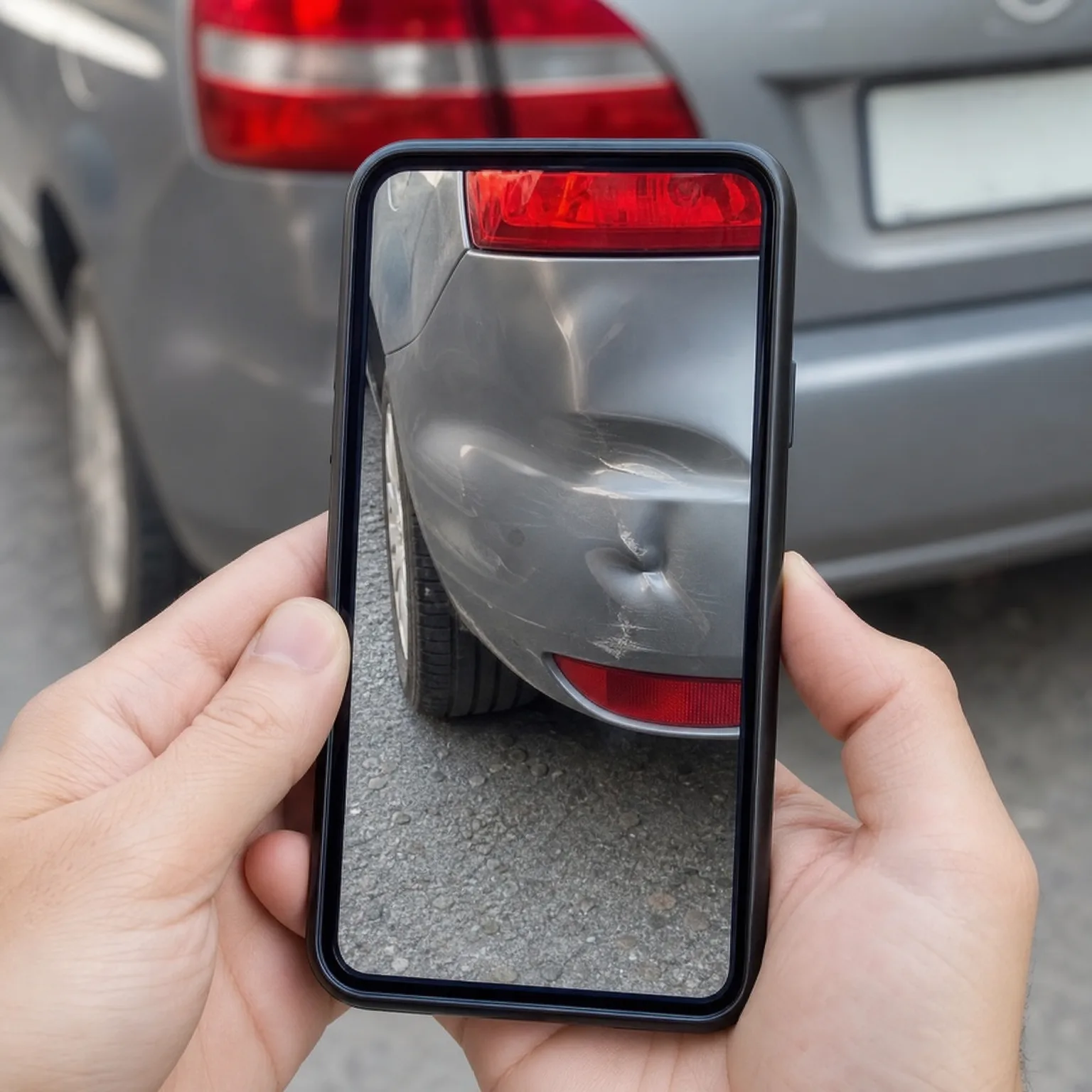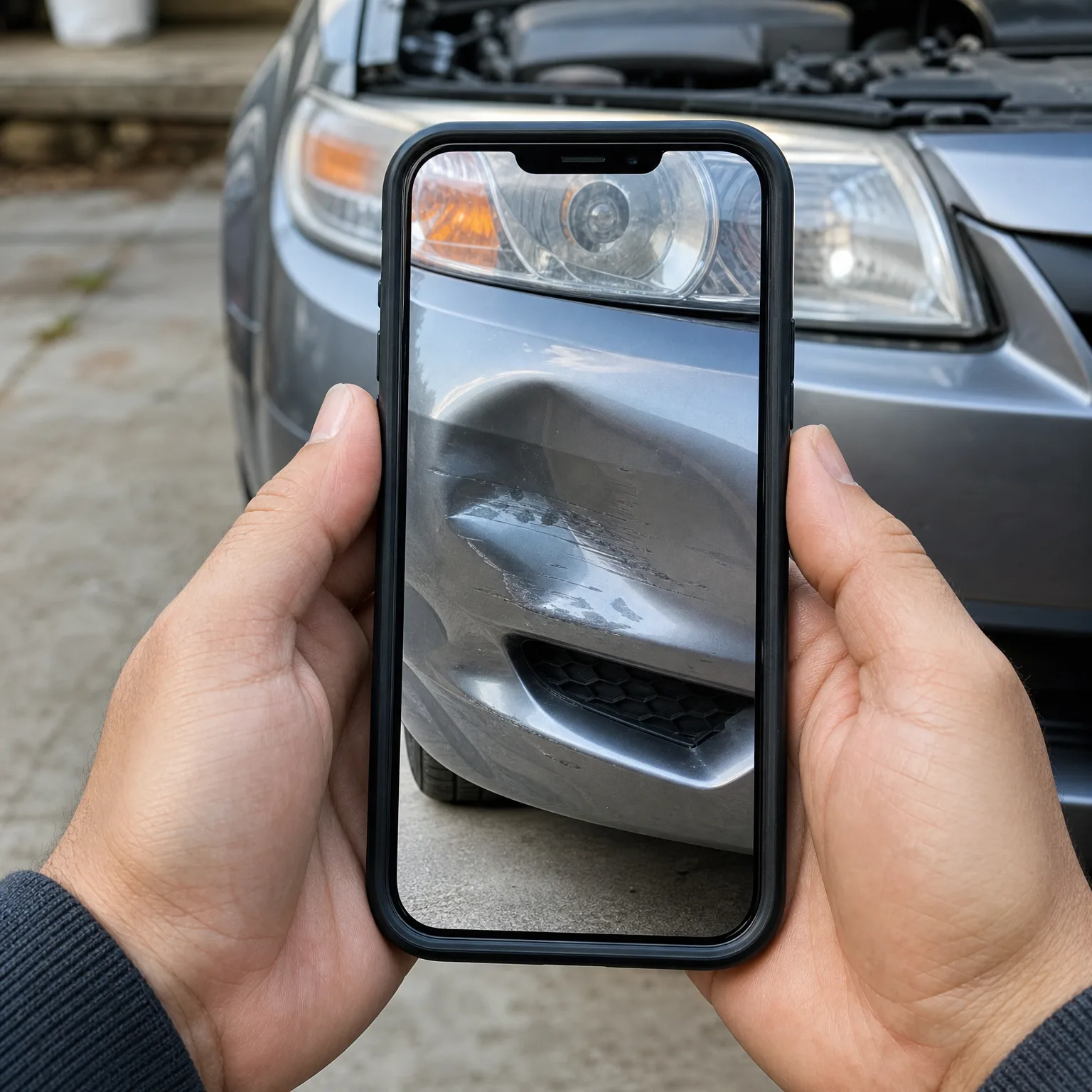
What Happens if Someone Borrows Your Car and Gets a Ticket
A ticket almost always follows the driver, not the car, so your grandchild's ticket stays on their record, not yours.
Free to compare
What actually happens after the ticket
- The driver owns the ticket Most moving violations are tied to whoever was behind the wheel, not the car's owner. Your grandchild will get the citation and handle it under their own name.
- Your policy can still notice If your grandchild drives your car regularly, their driving can affect your rate even if the ticket isn't yours. Ask your insurer how they treat a regular young driver who isn't a resident relative.
- Your car, your coverage, usually When someone you've given permission to drive your car gets a ticket or causes damage, your policy is often the one that responds first. Confirm this with your insurer before you hand over the keys.
- Occasional use is different A grandchild who borrows your car once or twice a summer is treated differently than one who drives it every week. Tell your insurer how often they'll actually be driving so the coverage matches reality.
- Their parents' policy may matter If your grandchild is listed on a parent's policy too, that policy might share responsibility depending on the state. Ask the parents what their policy says about a young driver using someone else's car.
Will letting my grandchild drive raise my own insurance rate?
It can, but not automatically. Insurers price your policy based on who regularly drives your car, so if your grandchild uses it often, many insurers want them listed, and that can change your premium.
A single ticket during a summer visit usually has less effect than a pattern of regular use. What matters most is how your insurer defines a regular driver, since that definition decides whether your grandchild needs to be added to your policy at all.
If your grandchild is only borrowing the car occasionally, ask your insurer directly how they classify that use. Some insurers have a specific allowance for occasional drivers, others want anyone with regular access listed no matter how often they actually drive. Getting this answer before anything happens protects you from a surprise later, and it's the clearest way to know whether a ticket would ever reach your rate at all.

Once you know how a grandchild's driving affects your policy, compare quotes to find coverage that actually fits.

Telling your insurer who's driving your car
If you do
You give your insurer the full picture, how often your grandchild drives, where they live, whether it's a summer visit or daily use. Your policy gets set up to match reality, so if a ticket happens, you already know what your insurer will and won't do.
If you don't
Your policy keeps running on old assumptions. If your grandchild ends up driving more than your insurer thinks, a ticket or accident could reveal that gap at the worst moment, when a claim is being decided and the details suddenly matter.

A grandson borrowing the car for a summer job
Your grandson is staying with you for the summer and needs the car to get to a part time job. He borrows it most weekdays. A few weeks in, he gets a speeding ticket on the way to work. He wasn't reckless, just going too fast through a changing speed zone he didn't know well.
Because he was driving with your permission, your policy is the one involved if anything else happens, so you call your insurer right away to ask how this affects you. They tell you the ticket itself stays on his record, but since he's driving regularly for the summer, they want him listed as an occasional driver on your policy. You add him, your insurer adjusts the policy to reflect it, and when summer ends and he goes home, you call again to take him off. The ticket never touches your driving record, and because you called early, there's no gap in what your policy actually covers.

The real risk isn't the ticket, it's your insurer learning about regular use only after something happens.